NOBLE HUMMINGBIRD (OREONYMPHA NOBILIS): THE GREAT HUMMINGBIRD OF THE ANDES THAT HOLDS A UNIQUE STORY OF PERU
In the mountains of central and southern Peru lives a hummingbird that seems to have been designed for life among dry slopes, Andean shrublands, and intermontane valleys where the mountain range constantly changes its landscape. Its size, long tail, iridescent colors, and, especially, the small “beard” that adorns the males’ throats make it difficult to confuse with any other species when observed up close.
It is the Noble Hummingbird (Oreonympha nobilis), also known in English as the Bearded Mountaineer and associated in different sources with names such as the Blue-tailed Hummingbird, Bearded Mountaineer, or Noble Comet. It is an endemic species of Peru, closely associated with high-Andean landscapes and with a natural history deeply connected to Cusco.
For Pachacútec Bosque Andino, this species represents much more than another entry on a bird list. The Noble Hummingbird allows us to tell a story about the Andes, about the adaptation of hummingbirds to mountain environments, about the importance of high-elevation shrublands and gardens, and about the enormous responsibility involved in conserving species that can only be found naturally within Peruvian territory.
Its presence reminds us that when we talk about biodiversity in Cusco, we are not speaking only about beautiful landscapes. We are talking about species that evolved here, depend on specific ecosystems, and form part of a natural heritage belonging to all of Peru.
A Hummingbird Unlike the Others
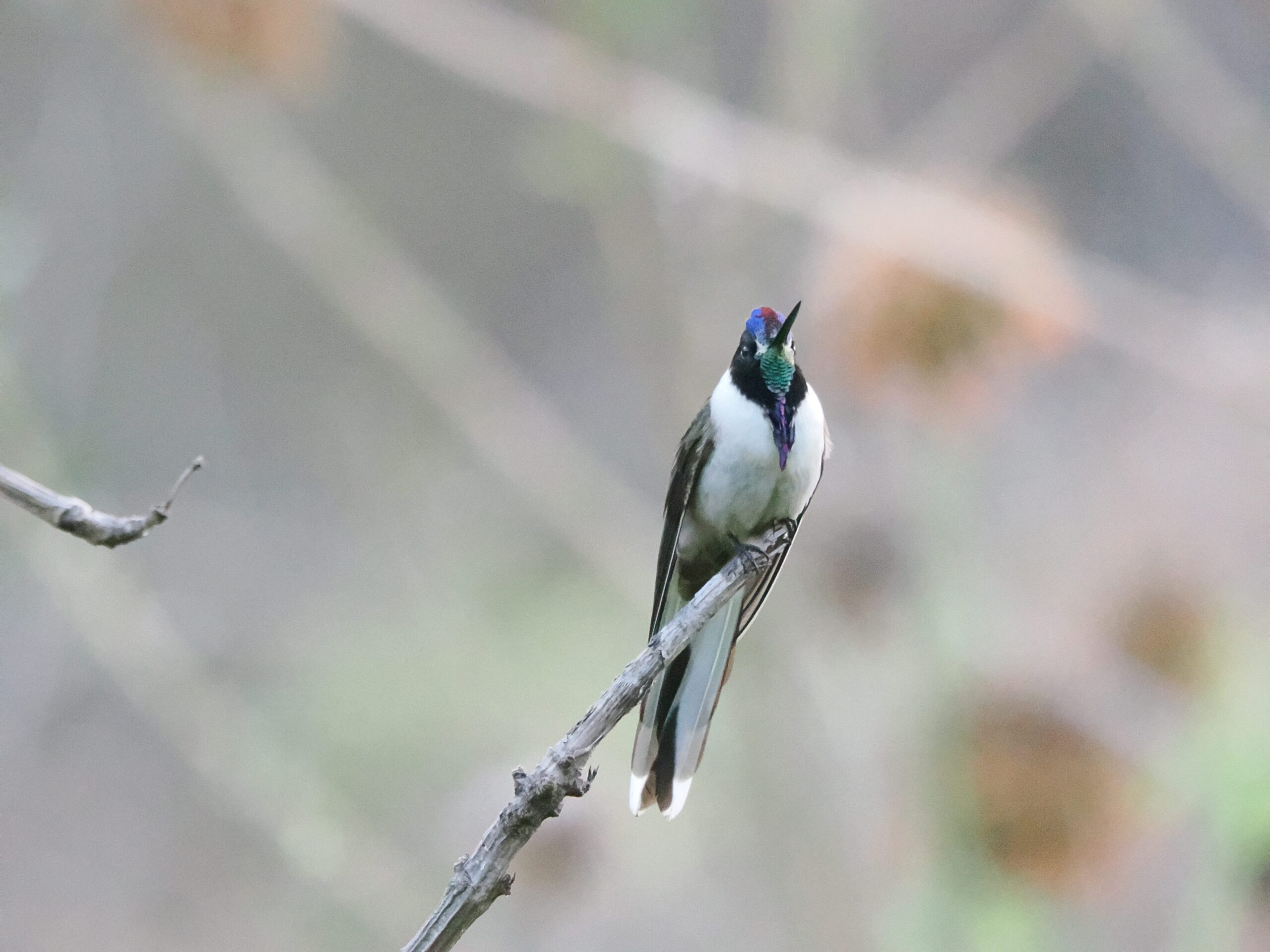
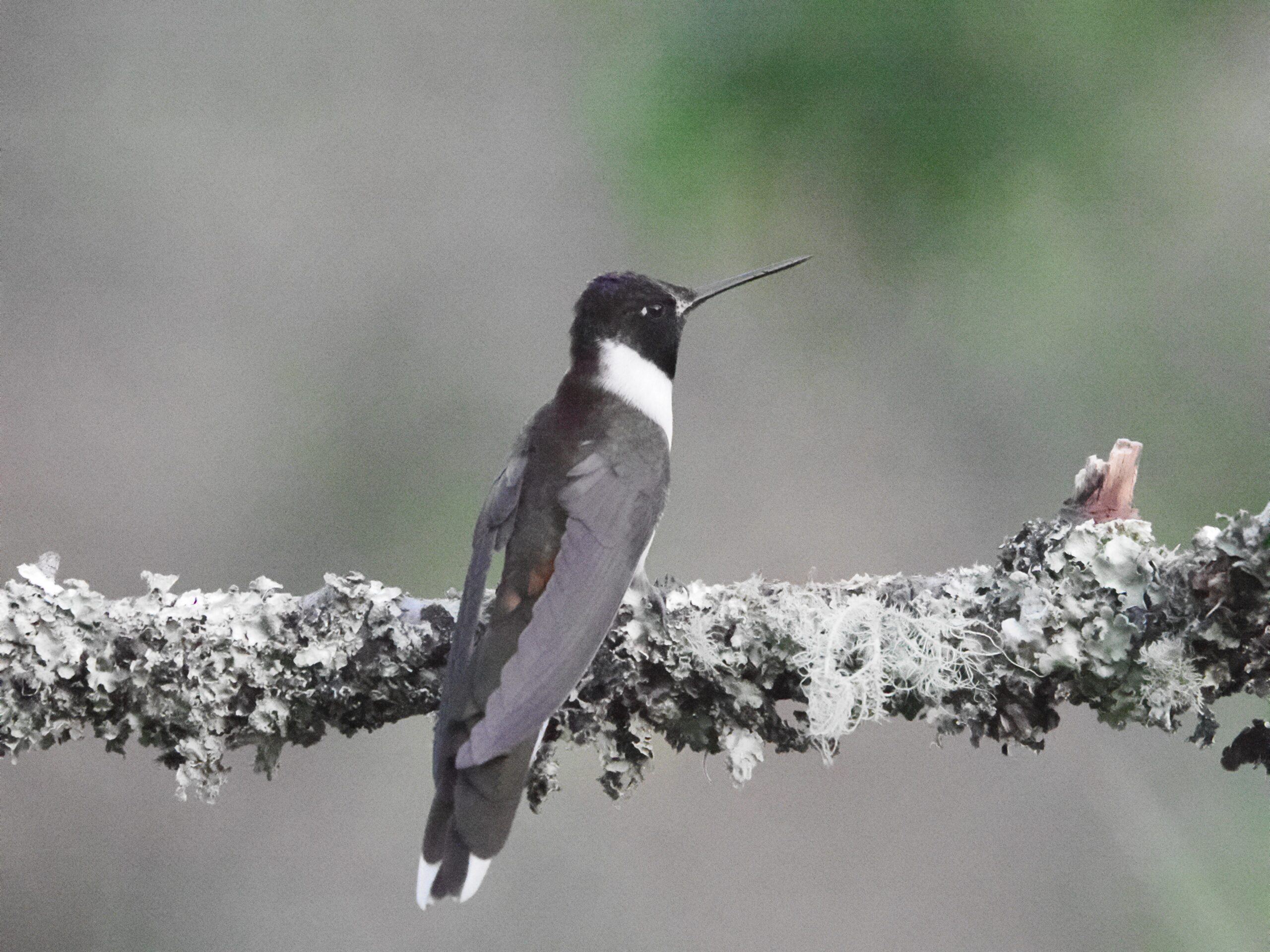
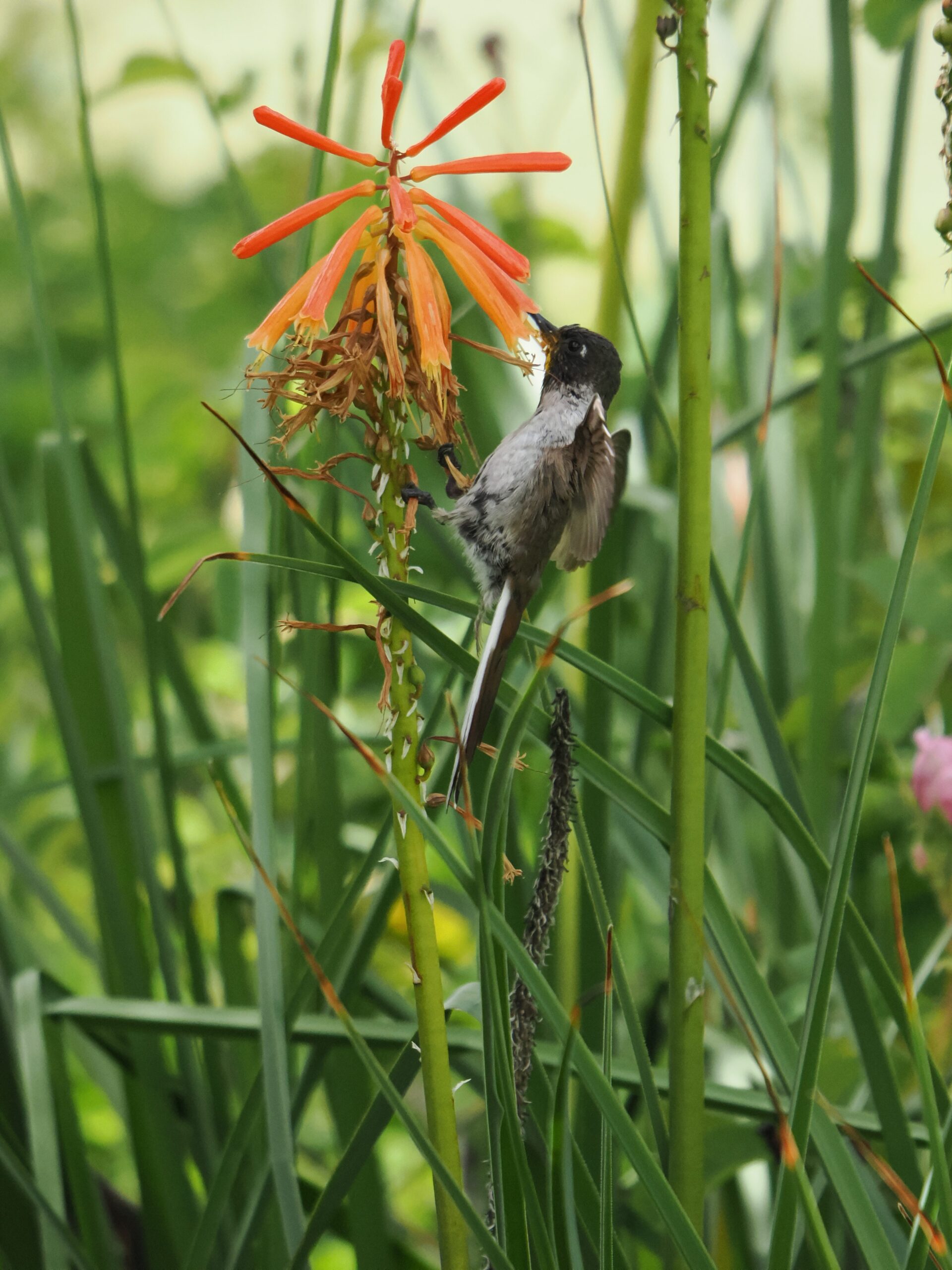
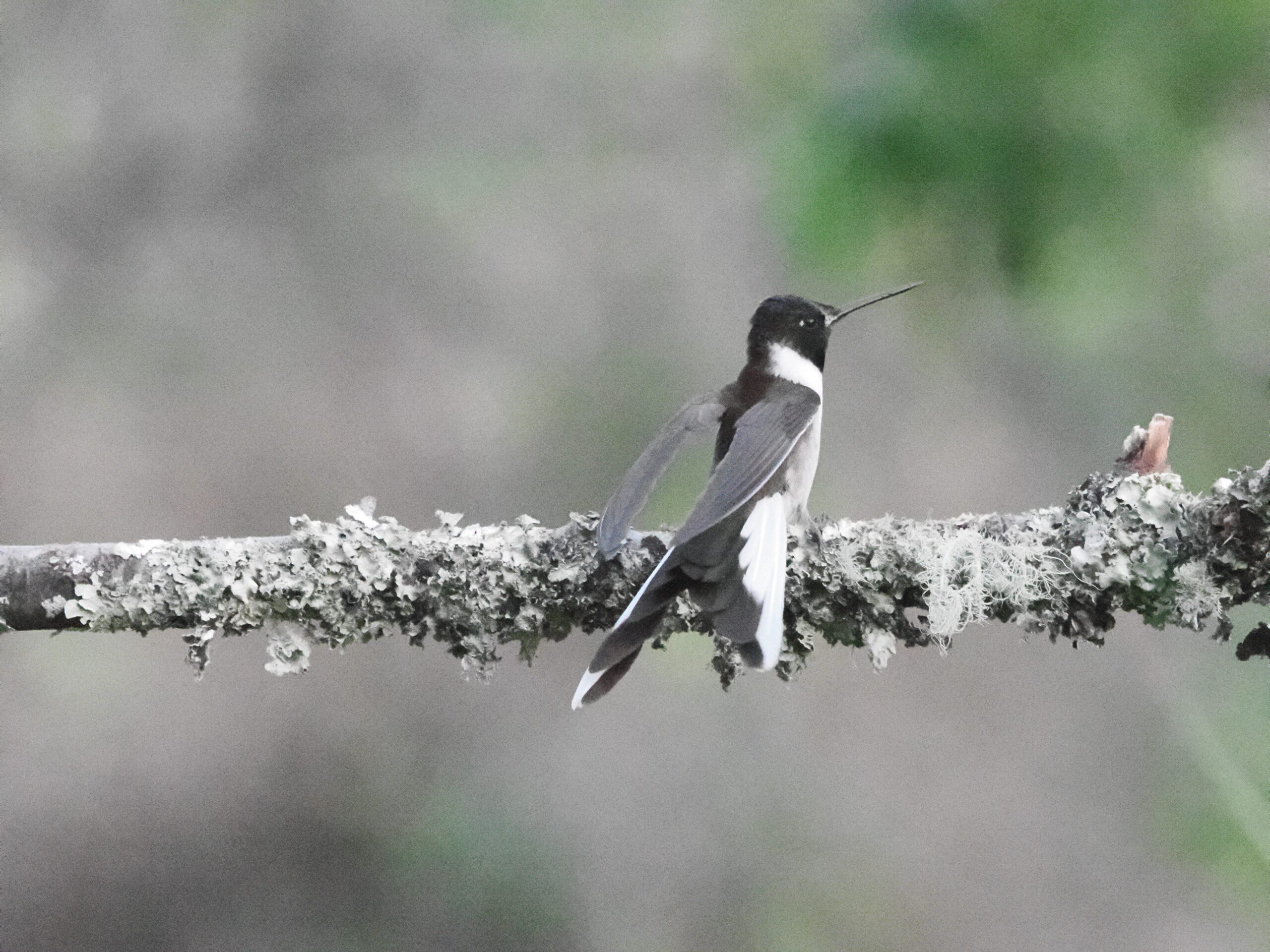
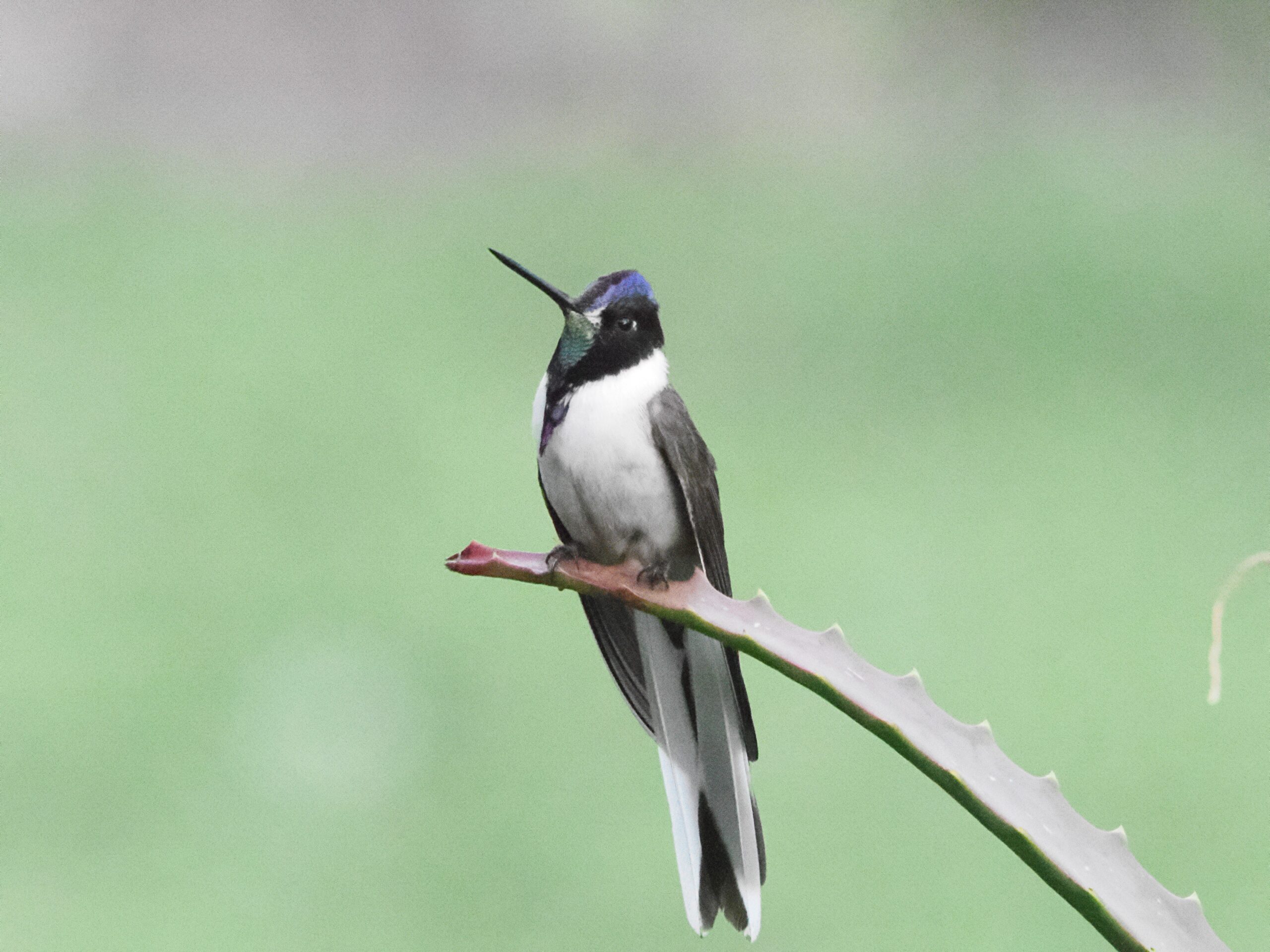
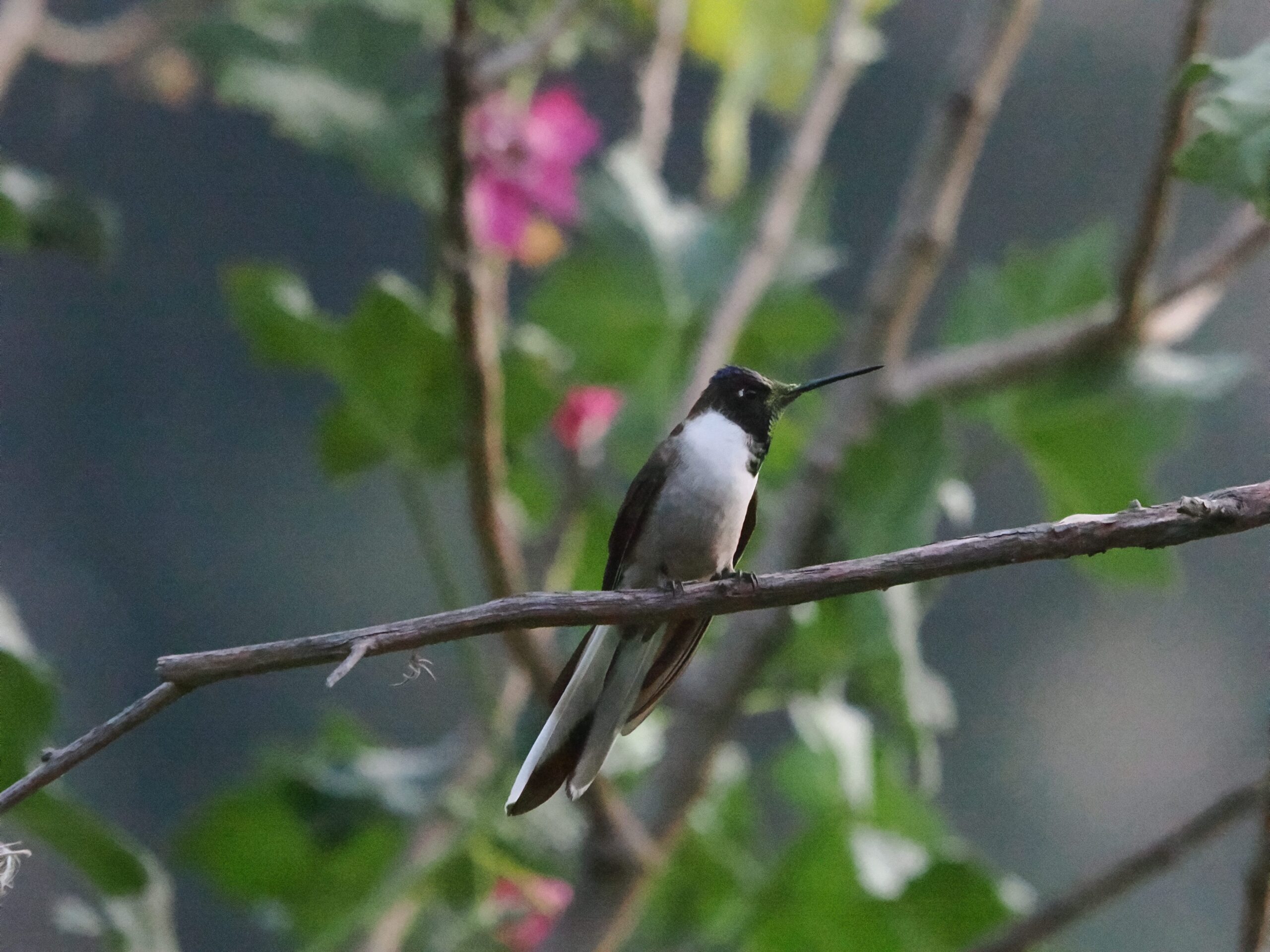
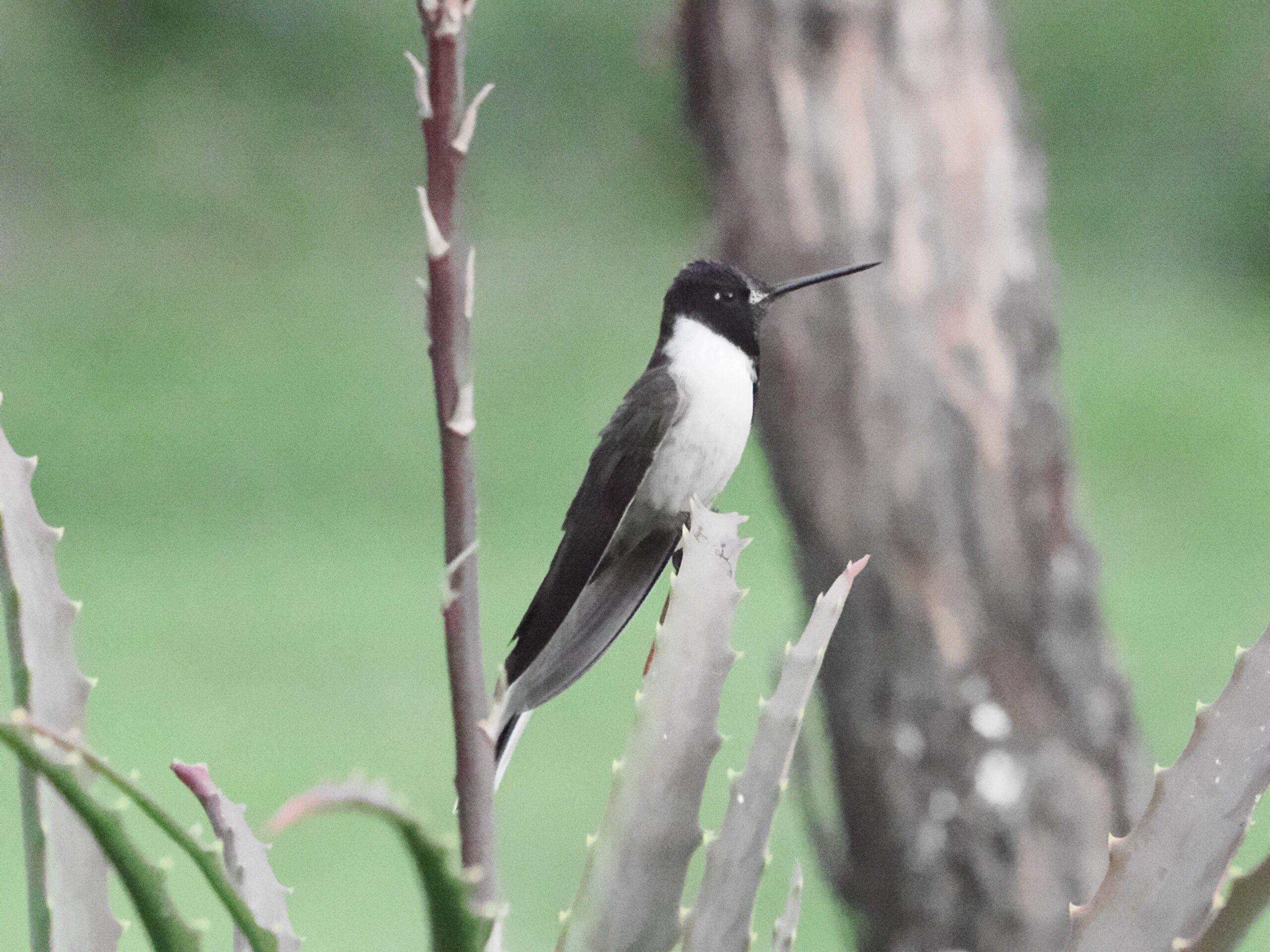
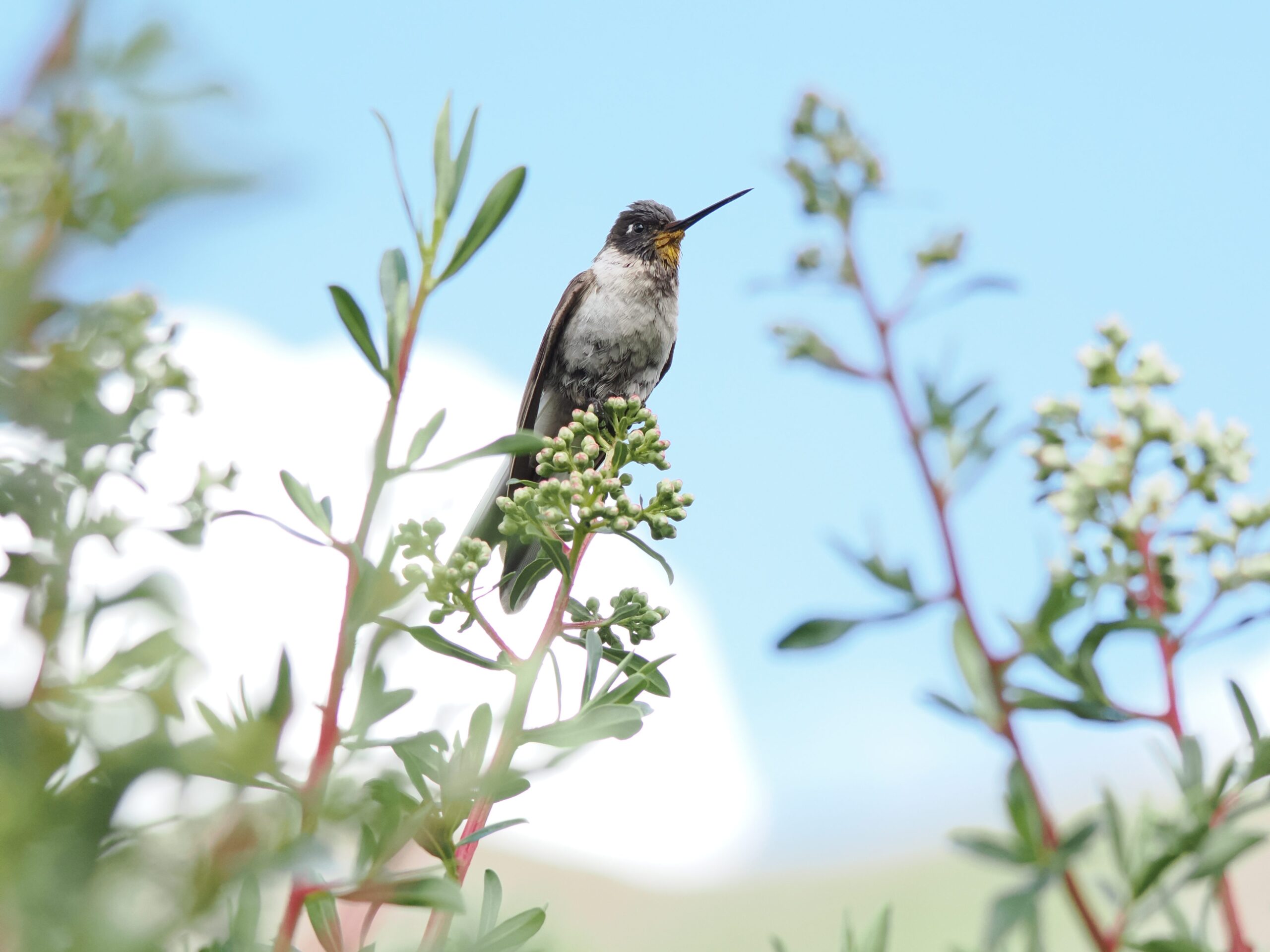
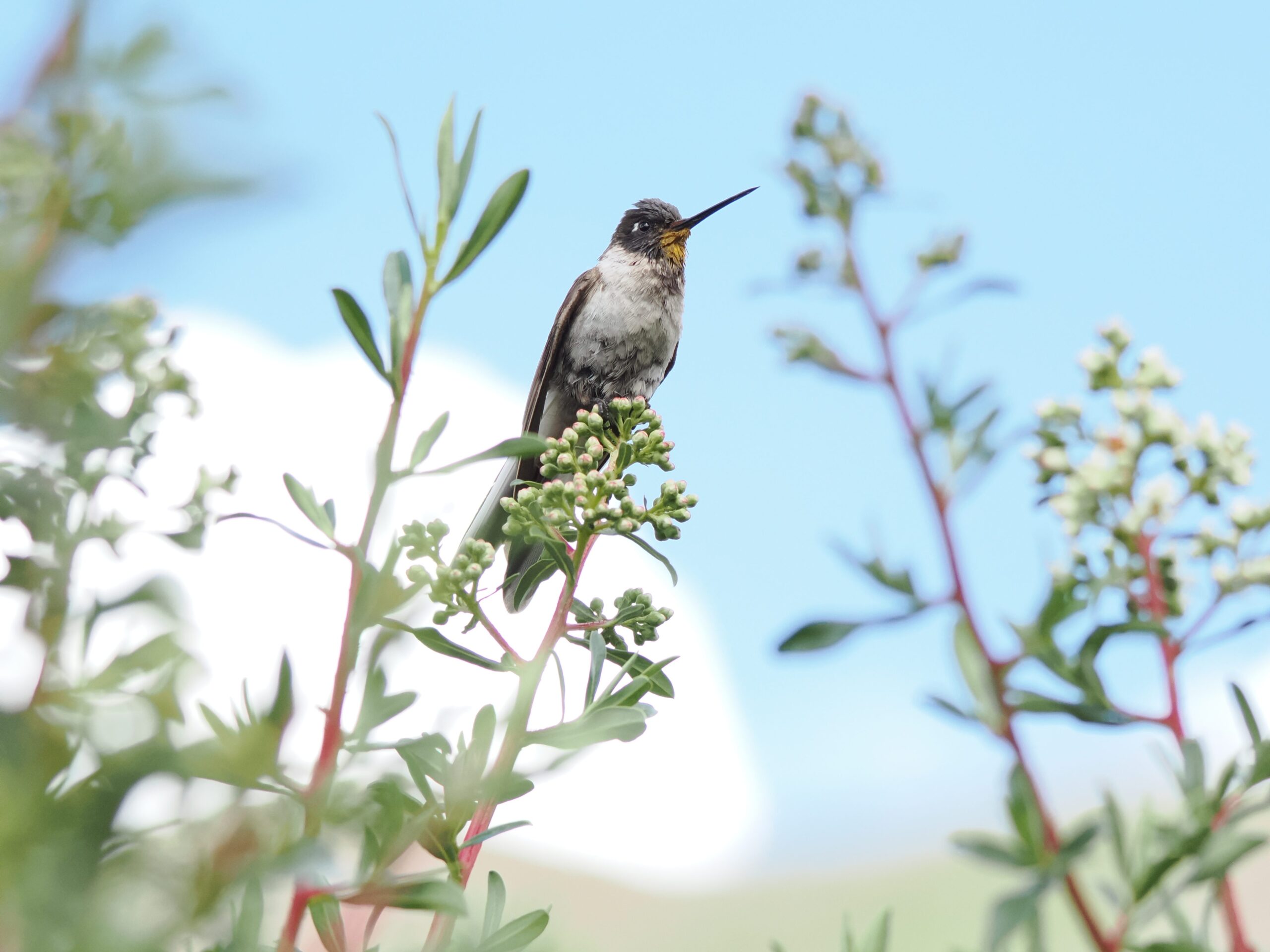
The Noble Hummingbird is one of the largest hummingbirds found in the environments where it lives. It measures approximately 16 centimeters in length and has a notably long tail, as well as a black bill that can reach approximately 2.4 centimeters.
But its size is not what surprises us most.
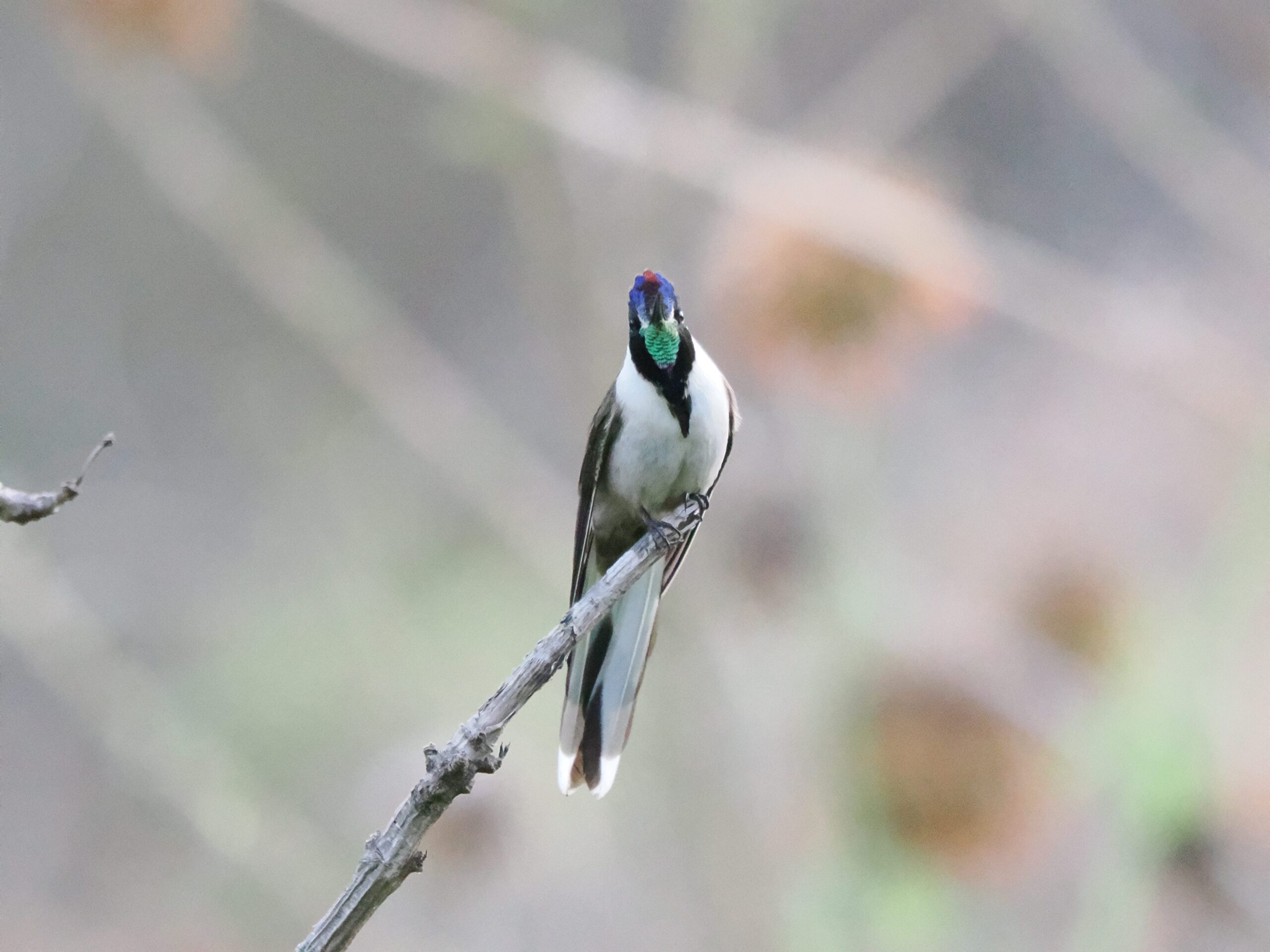
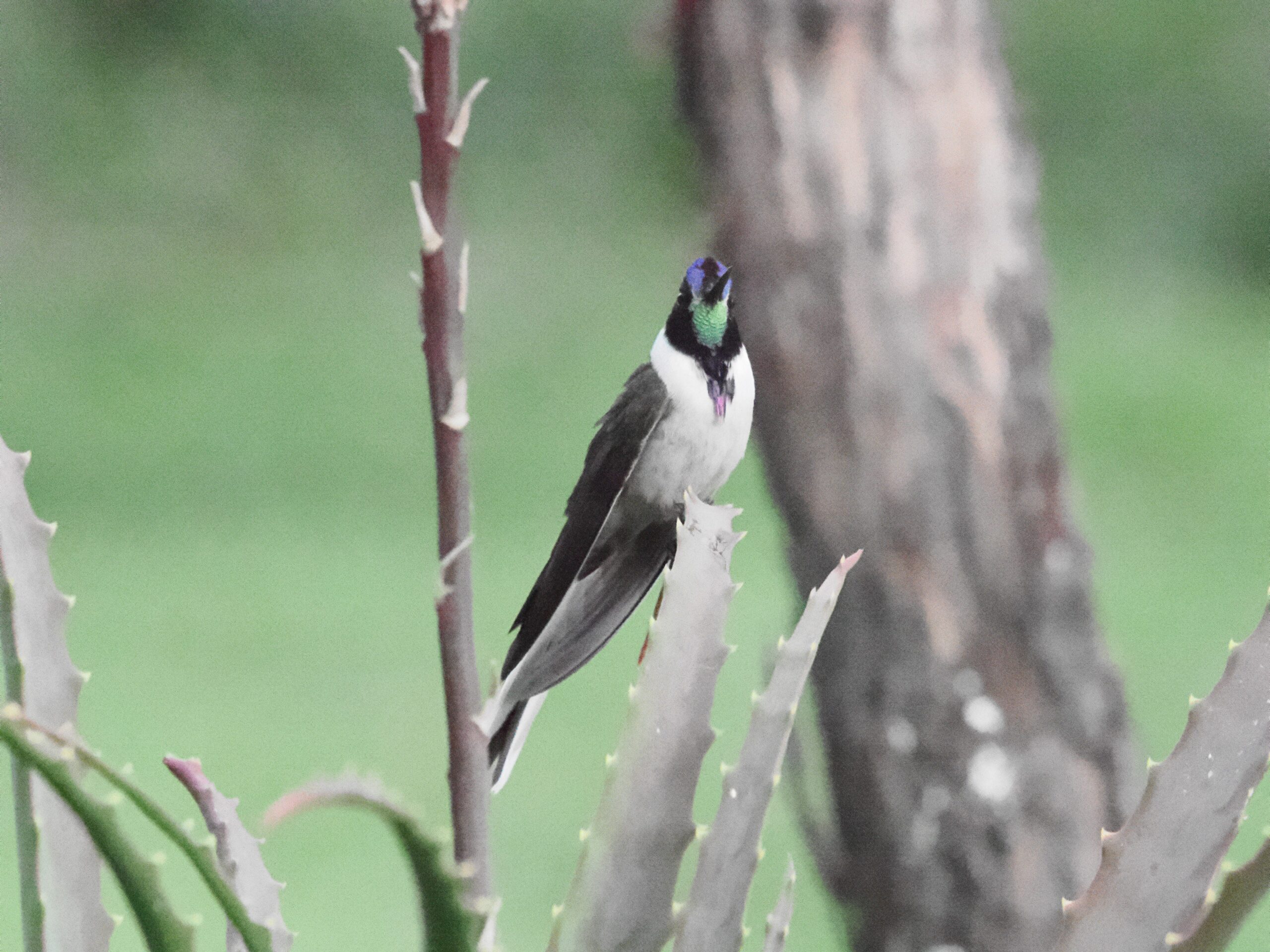
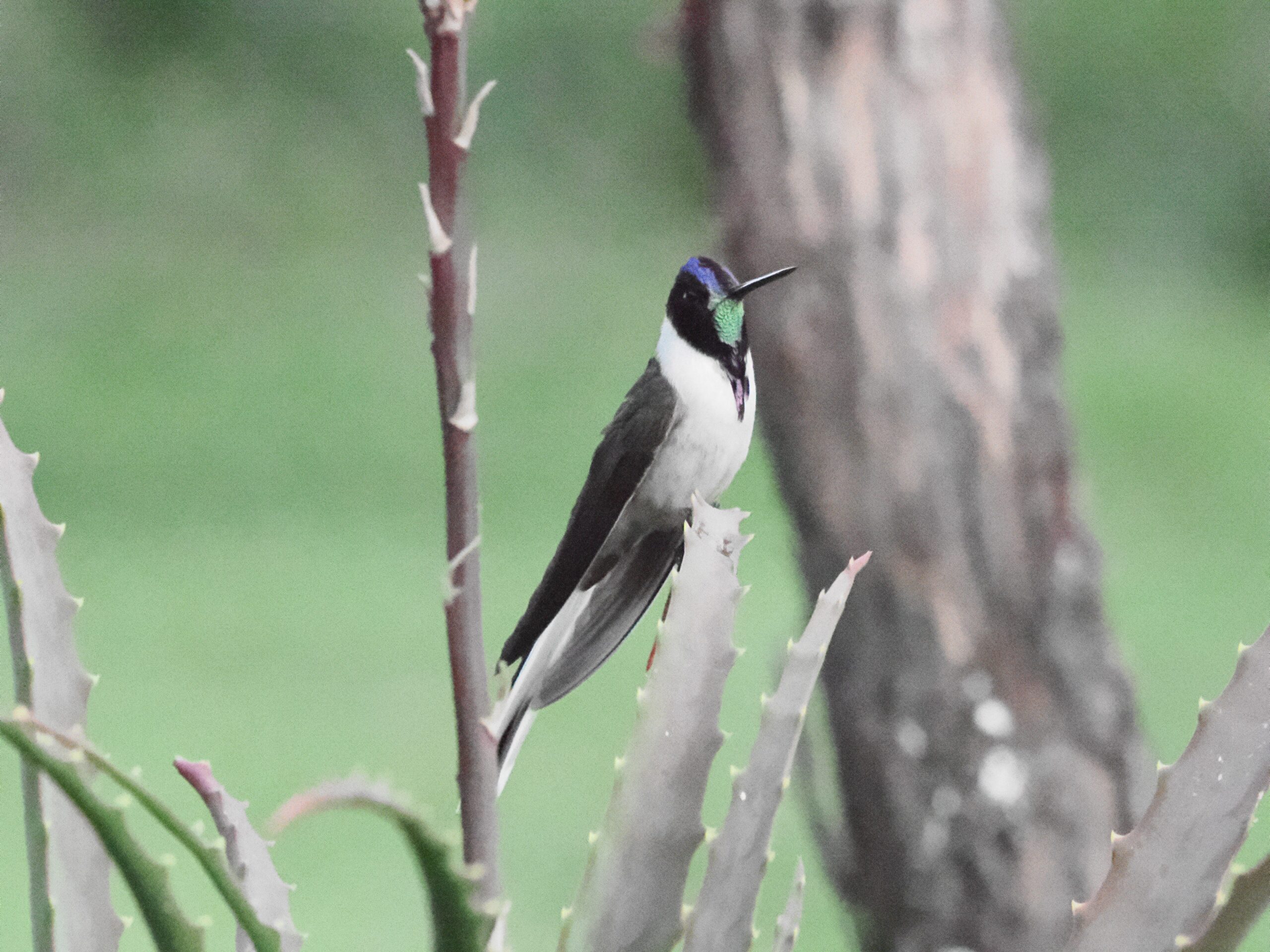
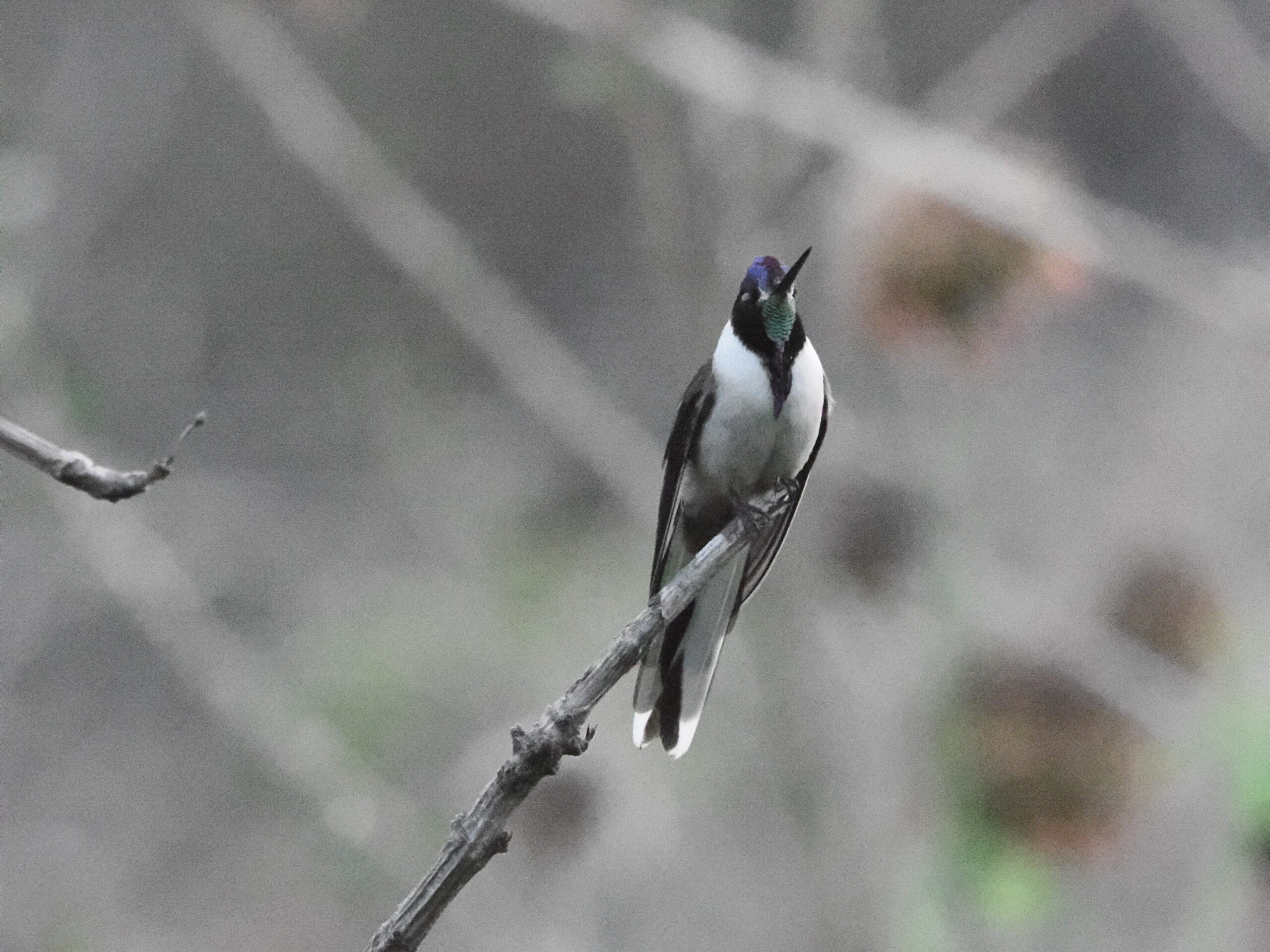
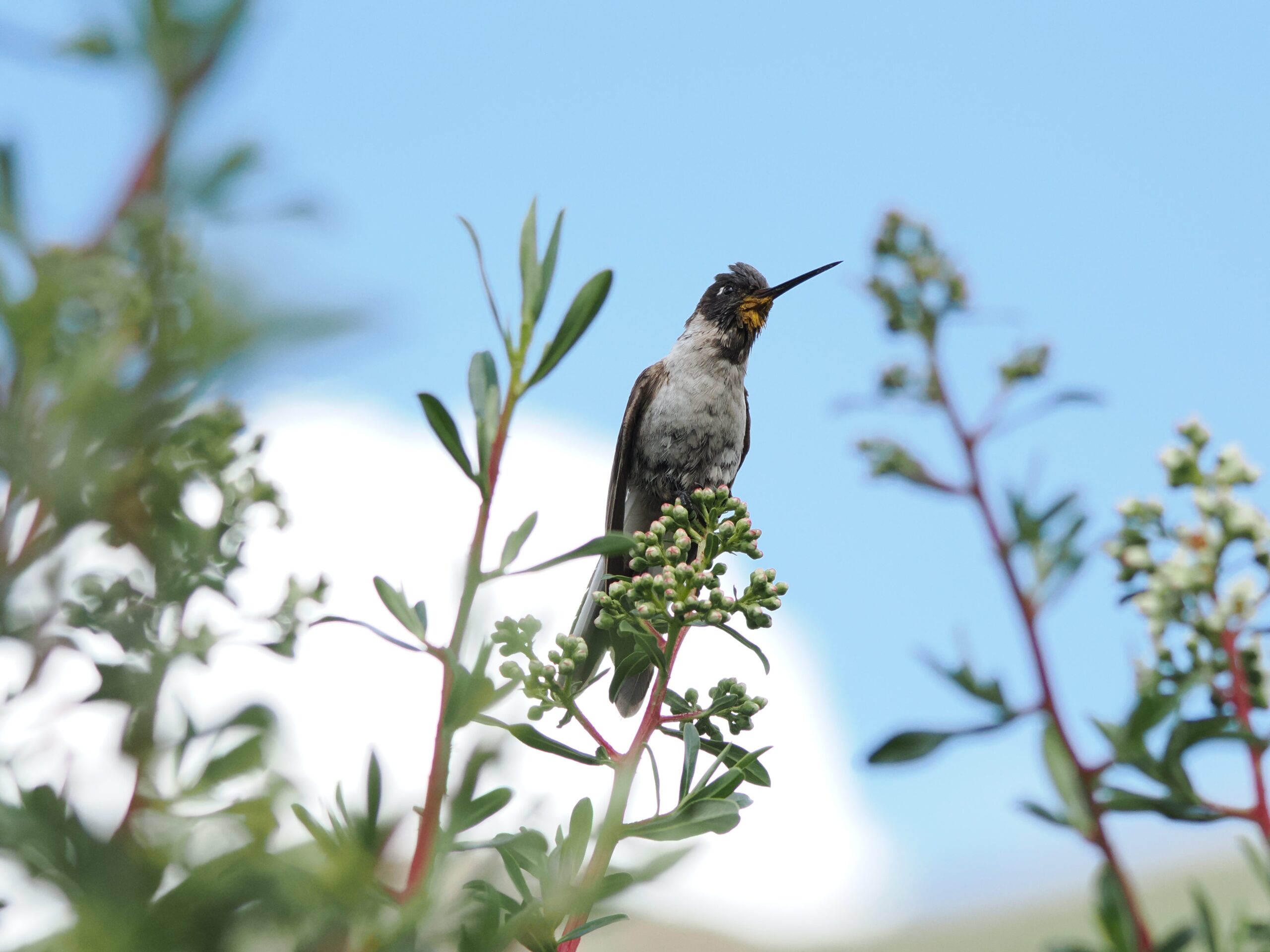
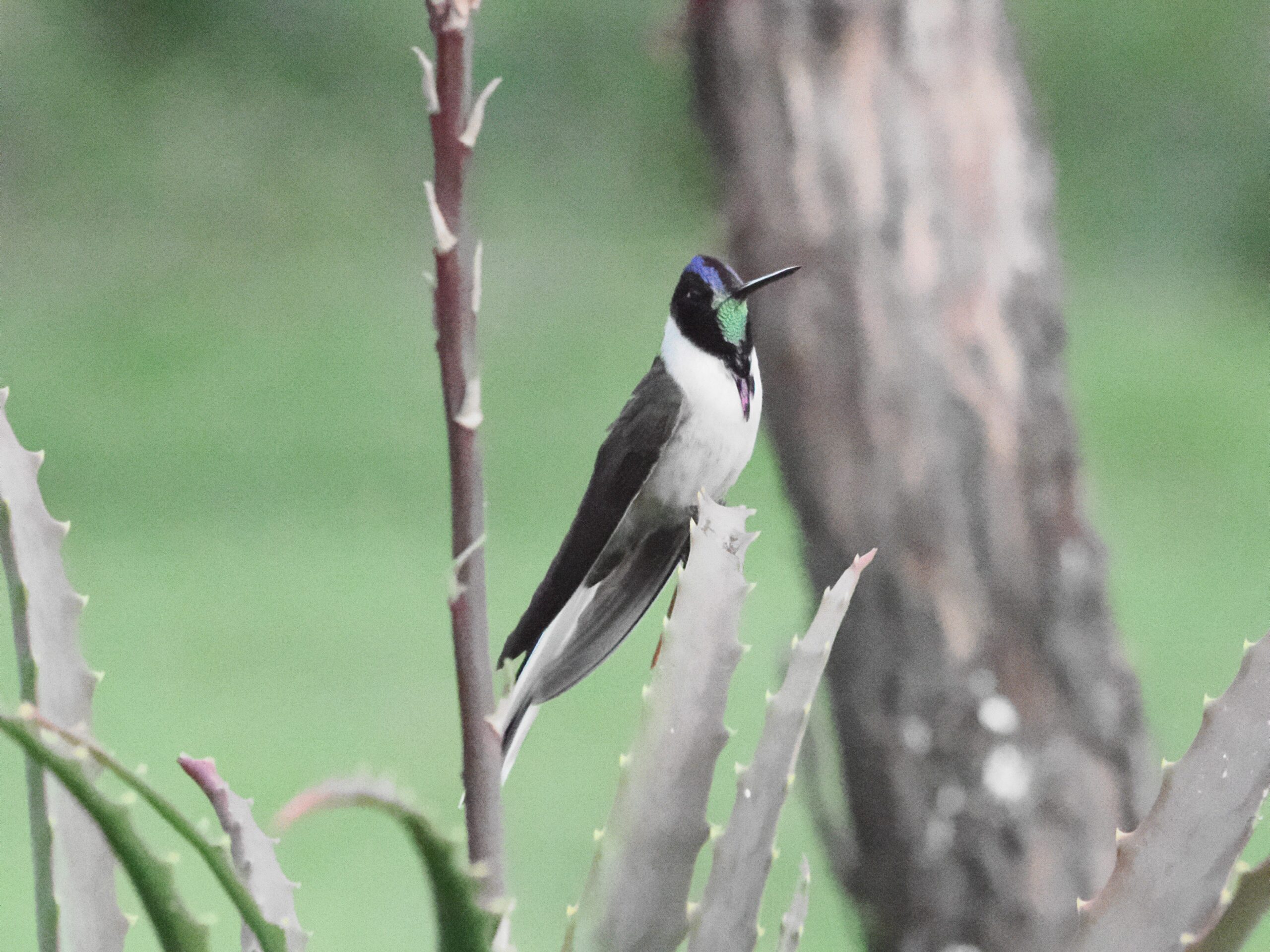
When an adult male is seen in good light, its head may display bluish and violet tones, while the throat shows an intensely iridescent emerald-green area accompanied by a small reddish patch. This gives rise to the “bearded” appearance reflected in some of its common names.
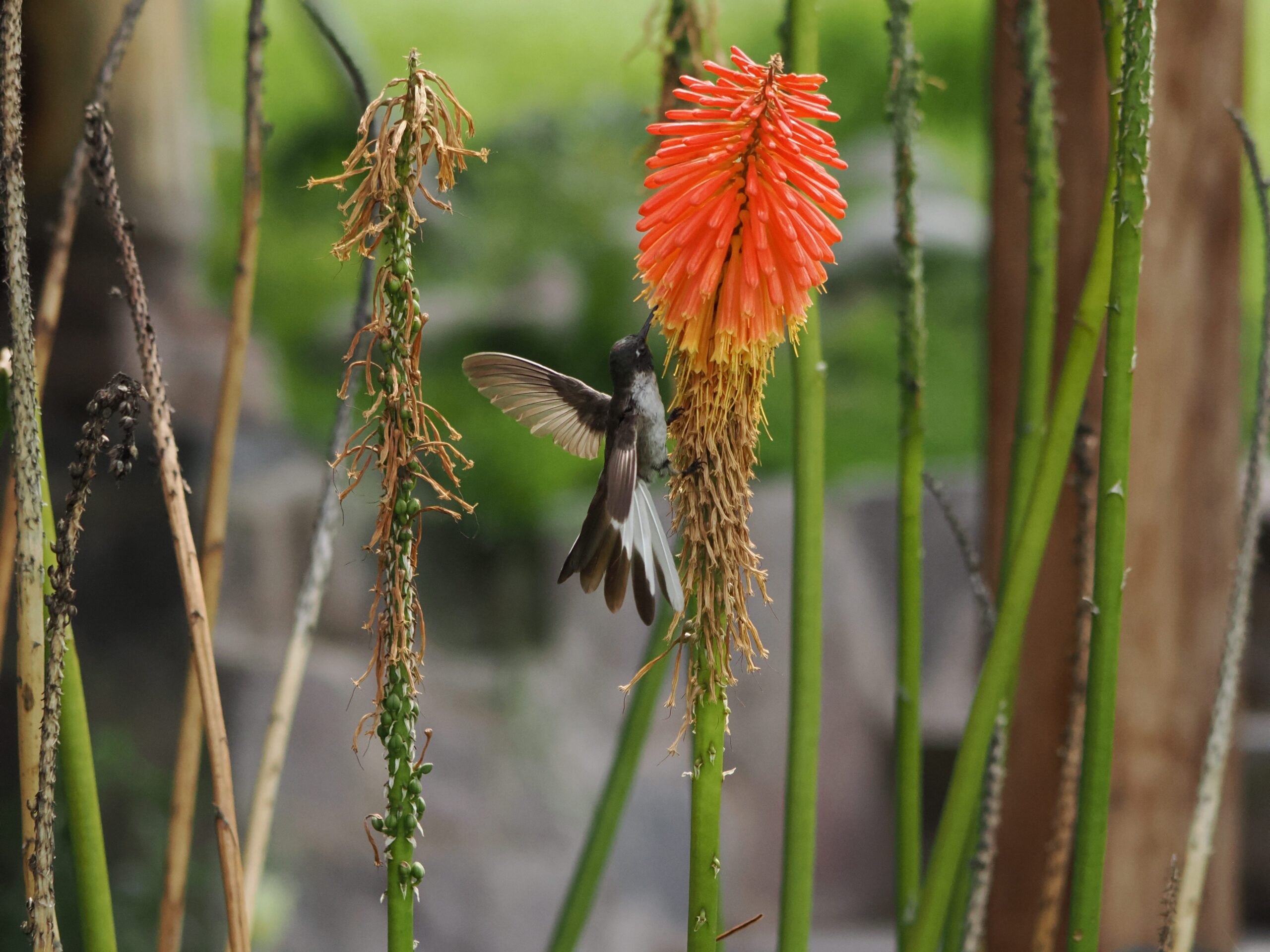
The tail feathers are another of its most striking features. The outer rectrices contain a significant amount of white and create an easily recognizable silhouette as the bird moves among the shrubs.
The back is predominantly brown, while the underparts are whitish or brownish-white, creating a contrast with the iridescent areas of the head and throat.
Females have a similar appearance, although they generally show less intense colors and a somewhat shorter tail. The throat ornamentation is also less developed than in males.
This difference between the sexes allows us to discuss an important phenomenon in bird evolution: sexual dimorphism, meaning the presence of visible differences between males and females of the same species.
In the Noble Hummingbird, the male’s iridescent colors probably serve functions related to visual communication and sexual selection, although the exact interpretation of each characteristic must be studied within the context of its behavior and ecology.
An Endemic Species of the Peruvian Andes
One of the most important facts to remember when observing a Noble Hummingbird is that its natural distribution is restricted to Peru.
The species is found mainly in the central and southern Peruvian Andes, occupying different intermontane valleys and mountain systems associated with the basins of the Mantaro, Pampas, Apurímac, and Urubamba Rivers. Its distribution extends from areas of Huancavelica toward Cusco. This makes Oreonympha nobilis an especially representative component of Peru’s avifauna.
Being endemic means that its evolutionary history is linked to a specific territory. From a conservation perspective, this has a fundamental consequence: the protection of its populations and habitats depends directly on decisions made within Peru.
When a species has a broad continental distribution, a local threat may affect only part of its population. When a species has a much more restricted range, environmental changes in particular regions can become far more significant.
That is why every observation of a Noble Hummingbird in the Peruvian Andes also has educational value. It reminds us that biodiversity is not distributed uniformly and that some territories harbor species that do not naturally exist anywhere else on the planet.
The Territory Where the Noble Hummingbird Lives
The Noble Hummingbird’s habitat is one of the most interesting parts of its story.
This is not a hummingbird exclusively associated with dense, humid forests. The species mainly uses dry mountain shrublands, shrubby slopes, and open forests in Andean valleys, as well as other environments where suitable vegetation and floral resources occur together.
Descriptions of its habitat include plant communities with species of Schinus, Tecoma and Carica woodlands, cacti, and areas containing Polylepis and Escallonia forests accompanied by dense, thorny understory.
It may also be found around rocky terrain and waterways.
This diversity of environments helps us understand something fundamental: an ecosystem for a hummingbird is defined by more than the presence of flowers alone.
It also needs places to rest.
Vegetation in which to seek shelter.
Spaces through which to move.
Resources available during different times of the year.
And environmental conditions compatible with its physiology.
That is why conserving the Noble Hummingbird requires us to consider the entire landscape.
Shrublands Are Also Forests of Life
Shrublands often receive less attention than tall forests.
From a human perspective, they may appear dry, harsh, or unproductive.
From a hummingbird’s perspective, they may be completely different.
A shrub may produce flowers.
A plant may provide nectar.
A branch may become a resting place.
Dense vegetation may offer protection.
A cactus may represent an important source of resources.
A slope covered with native vegetation may support an entire community of insects.
The Noble Hummingbird teaches us that conserving biodiversity also means protecting environments that may appear less spectacular visually.
This lesson is especially important for ecological restoration in the Andes.
We should not try to turn every landscape into a dense forest. We must understand what type of vegetation naturally belongs in each place and which species depend on it.
Effective restoration begins with knowledge.
A Close Relationship with Plants
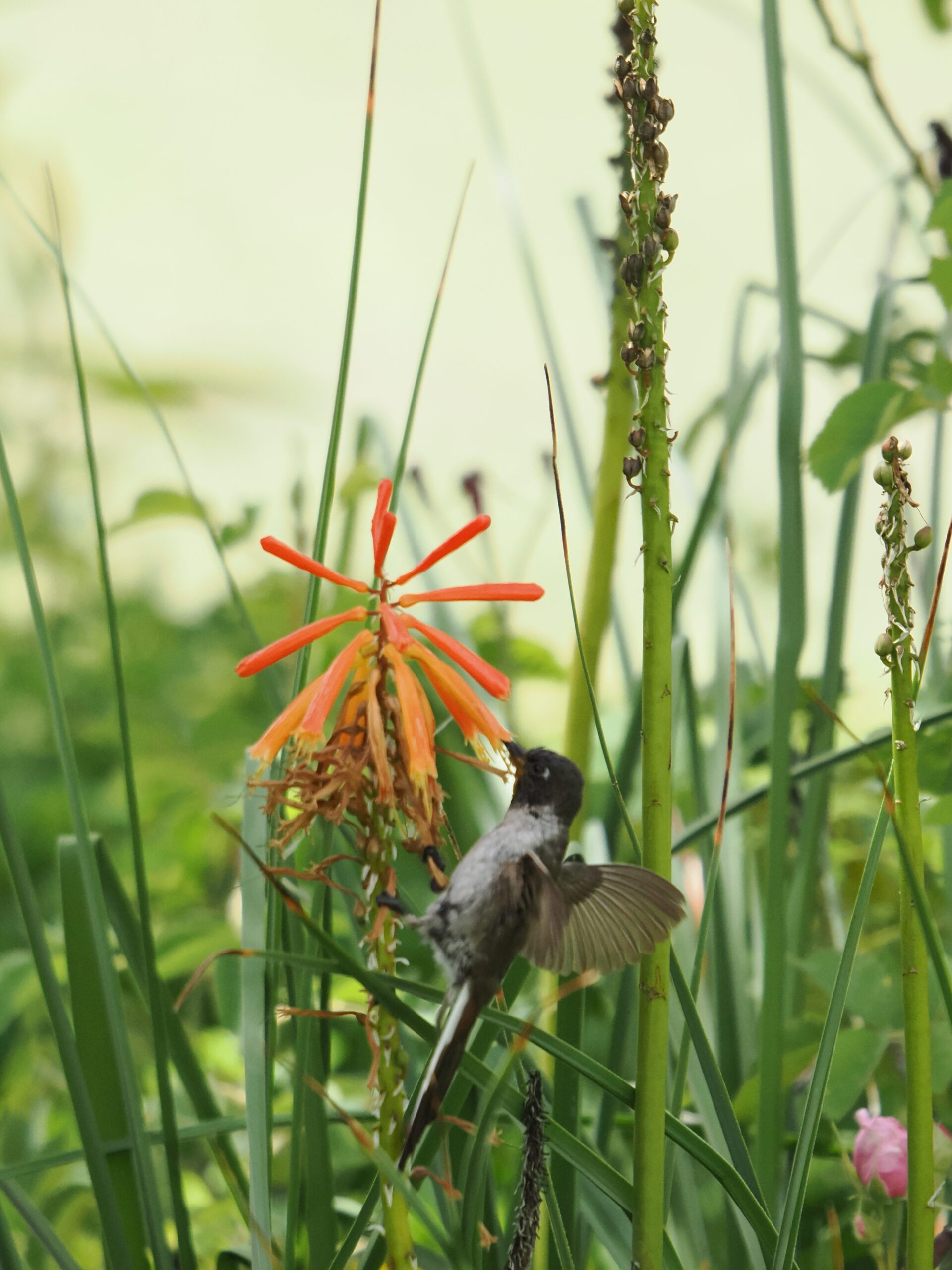
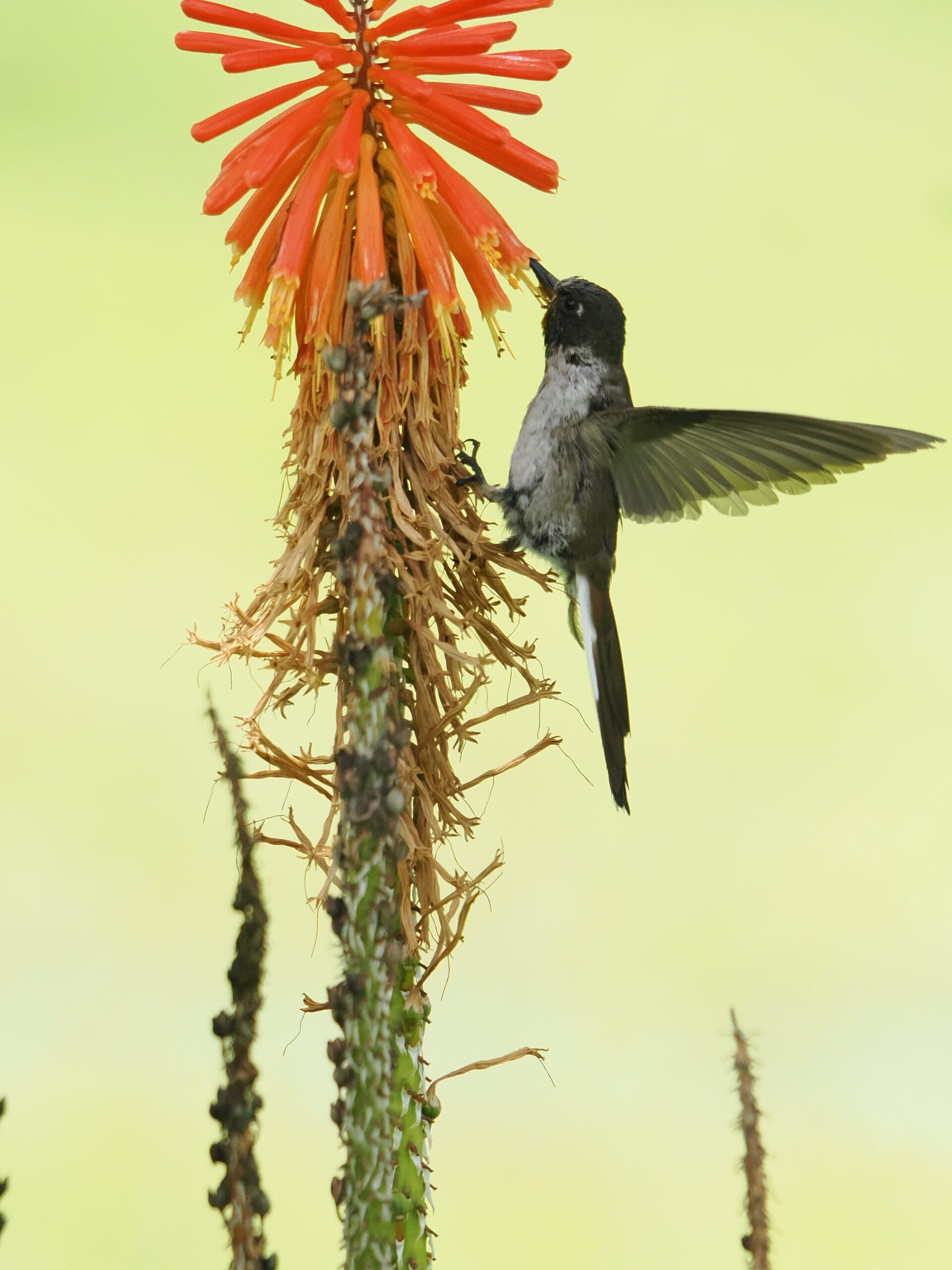
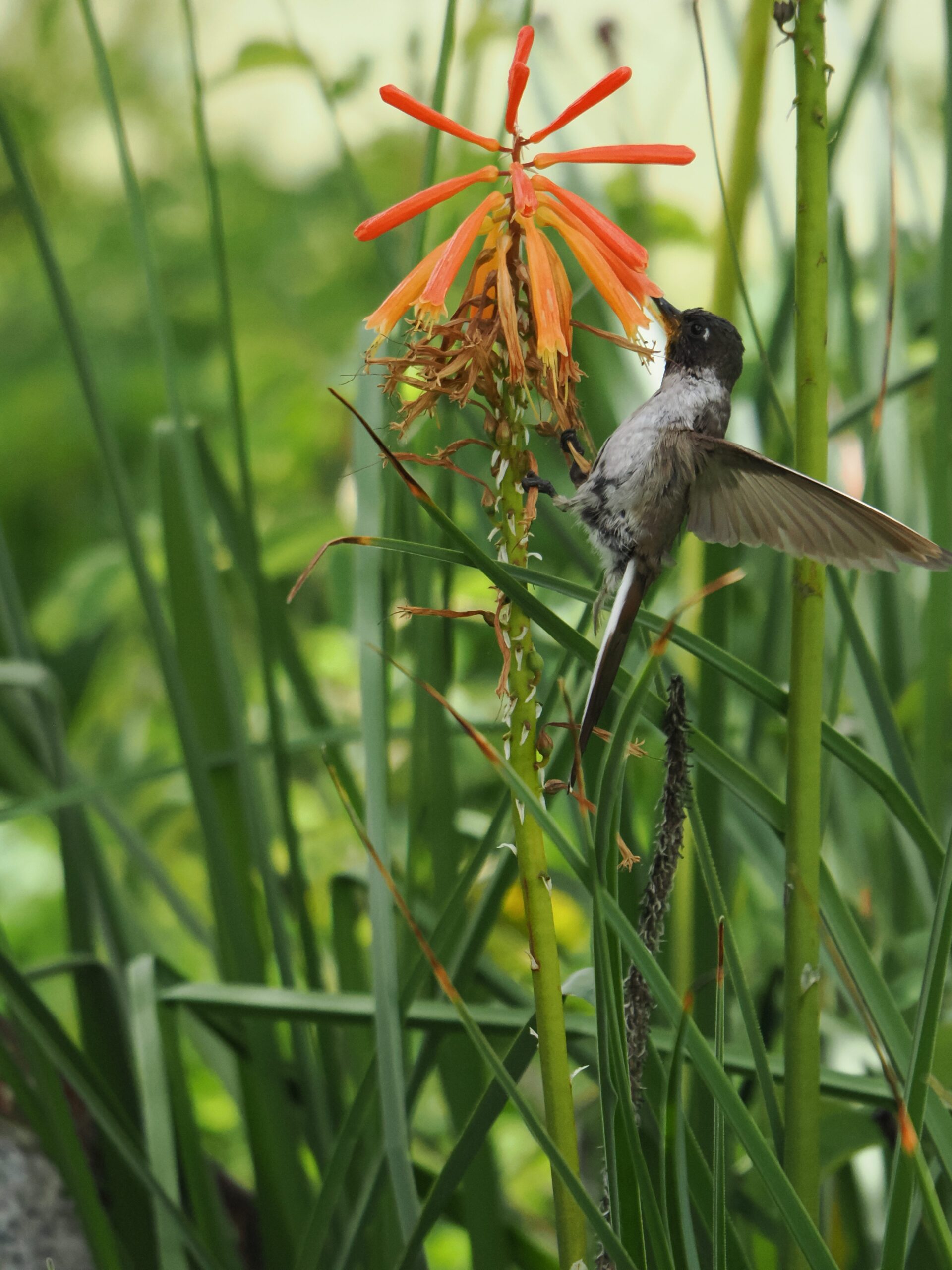
Like all hummingbirds, the Noble Hummingbird maintains a close relationship with nectar-producing plants.
Its long bill and specialized tongue allow it to access flowers that provide concentrated energy resources.
For a small bird with an extraordinarily high metabolism, nectar represents a fundamental source of energy.
But the relationship does not work in only one direction.
As the hummingbird feeds, its body comes into contact with the reproductive structures of flowers and may carry pollen from one flower to another.
In this way, the bird can participate in pollination.
Here we encounter one of the most important ideas in ecology: species do not exist in isolation.
A hummingbird depends on plants.
Plants may benefit from hummingbirds.
Insects participate in other pollination relationships.
Birds consume fruit and disperse seeds.
The soil supports plants.
Water allows the entire system to continue functioning.
When we protect one species, we are often protecting an entire network of ecological relationships.
Wild Tobacco and Mountain Hummingbirds
Among the plants associated with environments used by the Noble Hummingbird are species of the genus Nicotiana.
This detail is especially relevant to Pachacútec Bosque Andino because some Nicotiana species form part of the vegetation used in our restoration and observation areas.
The flowers of these plants may attract different pollinators and, depending on the species and flowering period, may become important resources for hummingbirds.
This demonstrates why, in a conservation garden, we should not think only about planting “pretty flowers.”
We must think about what resources plants provide, when they flower, which animals visit them, and how they complement one another.
A plant that flowers during a period when few floral resources are available may have a different ecological value from one that flowers when resources are already abundant.
That is why understanding plant phenology is a fundamental tool for restoration.
A Hummingbird Adapted to the Mountains
The scientific name of the genus Oreonympha contains a direct reference to mountains. It comes from Greek roots related to oros, meaning “mountain,” and nymphē, meaning “nymph.” The specific epithet nobilis comes from Latin and means “noble” or “famous.”
The name is appropriate for a species closely associated with Peru’s mountainous landscapes.
Living at high elevations means facing particular conditions.
Temperatures can drop rapidly.
Flower availability can change according to rainfall.
Nights can be cold.
Winds can be strong.
Solar radiation can be intense.
Food availability can vary considerably between seasons.
Hummingbirds possess extraordinary physiological adaptations for dealing with these conditions, but that does not mean they are independent of their environment.
On the contrary.
Their survival depends on finding enough energy to maintain a very high metabolic activity.
That is why the availability of flowers and other resources can have important effects on their movements and behavior.
A Species That Teaches Us to Observe the Seasons
The Noble Hummingbird also offers an opportunity to study the relationship between birds and seasons.
Plant flowering is not constant throughout the year.
Rainfall changes resource availability.
Frost can affect flowers and new growth.
Dry periods can reduce nectar production.
Changes in the landscape may cause some plants to disappear or others to become dominant.
To truly understand the Noble Hummingbird, we need to observe these variations.
Which plants does it visit during the rainy season?
Which flowers does it use when the dry season arrives?
Does it remain in the same valley throughout the year?
Does it make altitudinal movements?
Do its visits change according to flowering patterns?
These questions are more important than simply knowing that a species is present.
Modern conservation needs to understand when, where, and why species appear.
A Taxonomic Story That Remains Open
The classification of the Noble Hummingbird presents a particularly interesting situation.
The eBird/Clements and IOC classifications currently recognize two subspecies within Oreonympha nobilis: O. n. nobilis, associated mainly with the central and southern Andes of Peru, and O. n. albolimbata, distributed in parts of west-central Peru.
ITIS recognizes both as valid subspecies within Oreonympha nobilis.
However, there is a difference among taxonomic authorities.
BirdLife International and the HBW system have treated O. n. albolimbata as a separate species under the name Oreonympha albolimbata, known as the Western Mountaineer. Avibase currently maintains this difference between taxonomic concepts and shows that Clements continues to recognize albolimbata as a subspecies of O. nobilis, while HBW/BirdLife treats it as an independent species.
This situation is very important for those who work with bird records.
We should not present one classification as though all scientific institutions were in complete agreement when a real difference exists among authorities.
Taxonomy continues to evolve.
Genetic and morphological studies may provide new evidence and could lead to future changes in classification.
The eBird/Clements system itself explains that its taxonomy is a work in progress and is updated periodically as new evidence emerges.
For birdwatchers, this means that learning scientific names also involves learning that science is alive and can change.
A Scientific History That Began in Tinta
The scientific history of the Noble Hummingbird is closely linked to Cusco.
John Gould described the species in 1869, and the type locality is Tinta, Cusco, at an approximate elevation of 3,500 meters.
This makes Cusco an especially important territory in the natural history of the species.
More than a century after that description, we continue to find this hummingbird in the Peruvian Andes.
The story is fascinating because it allows us to imagine what nineteenth-century naturalist expeditions were like.
Researchers traveled for months through territories that were still little known to European science.
They collected specimens.
They recorded localities.
They compared characteristics.
They described new species.
And they gradually built scientific knowledge about South America’s extraordinary biodiversity.
Today we can study these same species using photographs, recordings, behavioral observations, genetic analyses, and digital databases.
Science has changed.
But the question remains the same:
What species live here, and how can we understand them better?
The Genus Oreonympha and Its Uniqueness
Oreonympha is a monotypic genus under the classification that recognizes only Oreonympha nobilis as a species within the genus.
This means that the genus does not contain a diversity of species comparable to that of other hummingbird genera.
From an evolutionary perspective, this uniqueness is interesting.
Phylogenetic studies of hummingbirds have revealed complex relationships among different groups within the tribe Lesbiini, where Oreonympha is placed.
Molecular research has indicated a close relationship with genera such as Oxypogon and Chalcostigma, and these relationships have led to proposals to revise the boundaries of some genera.
However, the taxonomic proposals have not been uniformly accepted.
Proposal 930 of the South American Classification Committee, which sought to expand Oxypogon to include Oreonympha and Chalcostigma, was not adopted because the evidence was considered insufficiently conclusive, in addition to relevant morphological differences and sampling problems.
This is another example of how modern taxonomy is not built solely by observing colors or shapes.
It also uses genetic information and evolutionary analyses.
What Does It Mean to Be a Large Hummingbird?
When we observe a Noble Hummingbird alongside other hummingbird species, one of the first things we may notice is its size.
Hummingbirds display enormous diversity in body shape.
Some are extremely small.
Others have long tails.
Some have straight bills.
Others have bills adapted to specific flowers.
The Noble Hummingbird combines a relatively large body with a long tail and a substantial bill.
These characteristics form part of a set of adaptations that allow it to function in mountain environments where available plants may have flowers of different shapes and sizes.
We should not assume, however, that each characteristic evolved for only one function.
Biology is rarely that simple.
A tail may be involved in visual signaling while also affecting aerodynamics.
A bill may be related to feeding but also to interactions with specific flowers.
Colors may play a role in recognition and sexual selection.
Understanding these relationships requires detailed behavioral and ecological studies.
The Noble Hummingbird and Ecological Restoration
For Pachacútec Bosque Andino, the existence of species such as Oreonympha nobilis reinforces a fundamental idea: restoring an ecosystem does not simply mean planting trees.
It means recovering conditions.
It means creating plant diversity.
It means maintaining different vegetation layers.
It means producing resources at different times of the year.
It means supporting insects and other organisms.
It means conserving water.
It means reducing unnecessary disturbances.
And it means observing what happens after intervention.
A hummingbird can become one of the visible indicators that a site is beginning to offer resources again.
When a species visits a flower, it is providing us with information.
When different species appear during different seasons, they are helping us understand the ecological calendar of the site.
When some species stop appearing, we must ask ourselves what has changed.
True conservation begins when we learn to read these signals.
Pachacútec Bosque Andino and Peru’s Hummingbirds
Pachacútec Bosque Andino was founded with a particularly close relationship to hummingbirds.
However, our vision extends far beyond a single bird family.
We want the forest to be a place where different species can find resources and where visitors can understand that each one has particular needs.
The Noble Hummingbird fits perfectly within this vision because it allows us to talk about dry Andes, shrublands, native plants, flowers, elevation, adaptation, and conservation.
It also allows us to establish a connection among different sites along the Birds of Peru Route.
One observatory may showcase one species.
Another may show a different population.
Another may be located at a different elevational zone.
Together, they can build a much more complete picture of regional biodiversity.
A Species That Connects Cultural Cusco with Natural Cusco
Cusco possesses one of the most recognizable cultural identities in the world.
But it also possesses an extraordinary natural identity.
The mountains observed and revered for generations by Andean peoples continue to support ecosystems where unique species live.
The Noble Hummingbird forms part of that story.
When visitors arrive in Cusco to explore its archaeological heritage, they can discover that extraordinary biodiversity exists around those same mountains.
A temple can tell the story of a civilization.
A forest can tell the story of millions of years of evolution.
A hummingbird can tell the story of a relationship among plants, climate, and landscape.
Both stories belong to the same territory.
The Value of Photographing the Noble Hummingbird
For a nature photographer, the Noble Hummingbird offers an extraordinary combination of characteristics.
Its size makes observation easier.
Its tail creates an elegant silhouette.
The contrast among white, brown, and black allows for different compositions.
And the male’s iridescent throat can display extraordinary colors when it receives light from the right angle.
But photographing it responsibly requires patience.
We should not chase the bird.
We should not alter its behavior.
We should not manipulate flowers or vegetation to improve a composition.
The goal of nature photography should be to document without causing harm.
A truly valuable photograph is one that allows us to tell a story without harming its subject.
And in the case of a species endemic to Peru, every image can also become an opportunity to communicate its importance.
The Noble Hummingbird as an Educational Species
One of the best characteristics of Oreonympha nobilis is that it allows us to teach many different concepts through a single species.
We can talk about endemism.
We can talk about evolution.
We can talk about adaptation to mountain environments.
We can talk about pollination.
We can talk about native plants.
We can talk about phenology.
We can talk about conservation.
We can talk about taxonomy.
And we can talk about responsible tourism.
This makes the Noble Hummingbird an ideal species for educational programs in gardens, observatories, and interpretation centers.
A child may begin by asking:
“Why does it have such a long tail?”
And that question can lead us to discuss evolution.
Another child may ask:
“Why is it here?”
And we can talk about habitat.
Another may ask:
“What does it eat?”
And we can explain nectar and other resources.
A single species can open a door to an entire world of knowledge.
Conserving a Hummingbird Means Conserving Its Landscape
Perhaps the most important lesson the Noble Hummingbird teaches us is that we cannot conserve a species simply by protecting the individual.
The bird needs territory.
It needs plants.
It needs flowers.
It needs shelter.
It needs water.
It needs places to reproduce.
It needs suitable environmental conditions.
That is why conservation must look beyond the animal.
When we protect habitat, we protect the conditions that allow the species to continue existing.
This is precisely the philosophy we seek to strengthen at Pachacútec Bosque Andino.
We do not want merely to attract hummingbirds.
We want to build an ecologically functional space where different organisms can interact.
A Look Toward the Future
The future of Noble Hummingbird conservation will depend largely on how much we learn about its distribution, movements, resources, and relationship with environmental change.
Important questions remain.
We need to better understand its seasonal movements.
We need to understand how it responds to flower availability.
We need to study its populations in greater detail.
We need to learn more about its relationships with plants.
We need to continue evaluating the taxonomy of its populations.
And we need to maintain field records.
Modern tools have a fundamental role here.
Observations recorded on citizen-science platforms, georeferenced photographs, vocalization recordings, and systematic studies can help build a much more complete record of the species.
The eBird/Clements system, for example, integrates taxonomy and data used by observers around the world, while its updates seek to keep classification aligned with the most recent taxonomic research.
Every responsible observation can become a small piece of that knowledge.
The Noble Hummingbird and Pachacútec’s Commitment
At Pachacútec Bosque Andino, we believe birds should not be viewed merely as tourist attractions.
They are indicators of ecosystem quality and complexity.
They are participants in ecological processes.
They are part of the natural identity of the territory.
And they can become great teachers for those who wish to learn about conservation.
The Noble Hummingbird represents this philosophy especially well.
It is a beautiful bird, but its true importance begins when we stop seeing it merely as a pretty photograph.
It is a species endemic to Peru.
It is a mountain species.
It is part of the dry, shrubby ecosystems of the Andes.
It is part of Cusco’s scientific history.
And it is also an opportunity to teach that conservation begins by understanding the places where species live.
A Noble Inhabitant of Peru’s Mountains
The Noble Hummingbird (Oreonympha nobilis) represents one of the most distinctive expressions of Peru’s Andean biodiversity.
Its long tail, large size, iridescent throat, and behavior among mountain shrublands make it one of the most fascinating species in the Andes.
But its beauty is only part of the story.
Behind its colors lies a long evolutionary history.
Behind its distribution lies a geography of mountains and valleys.
Behind its flowers lies a network of ecological relationships.
Behind its presence in Cusco lies a scientific history that began in the nineteenth century.
And behind every observation lies an opportunity to learn.
When we see a Noble Hummingbird flying among the flowers of a garden or crossing an Andean shrubland, we can remember that we are observing a species whose natural existence is linked to Peru.
That makes every encounter special.
We do not need to travel to the other side of the world to discover extraordinary biodiversity.
It is here.
In our mountains.
In our valleys.
In our gardens.
And also in the small spaces we choose to restore.
That is why conserving the Noble Hummingbird means much more than protecting a species.
It means protecting part of Peru’s natural history.
It means conserving the landscapes that sustain it.
It means maintaining the plants that provide its food.
It means learning from its movements.
It means conducting research.
It means educating.
And it means showing the world that the Peruvian Andes still hold extraordinary natural stories that deserve to be known and protected.
At Pachacútec Bosque Andino, we believe that every hummingbird that arrives is a sign of life, every flower is an opportunity for biodiversity, and every visitor who learns to observe becomes a new ally for conservation.
To know the Noble Hummingbird is to know a part of Peru that can only be found in our mountains. And knowing it is the first step toward understanding why we must conserve it.