PACHACÚTEC ANDEAN FOREST AND INTERNATIONAL VOLUNTEERING: TWO DAYS OF CONSERVATION, LEARNING, AND HOPE FOR THE ANDES
RESTORING THE FOREST, PROTECTING BIRDS, AND SHAPING GLOBAL CITIZENS
In the heart of the Cusco Andes, within the Wanakaure micro-watershed, there is a place where conservation becomes action, education becomes experience, and volunteering becomes a tool to change the world. That place is Pachacútec Andean Forest – Hummingbird Observatory, an ecological restoration project that works every day to recover Andean forests, protect biodiversity, and raise environmental awareness at both local and international levels.
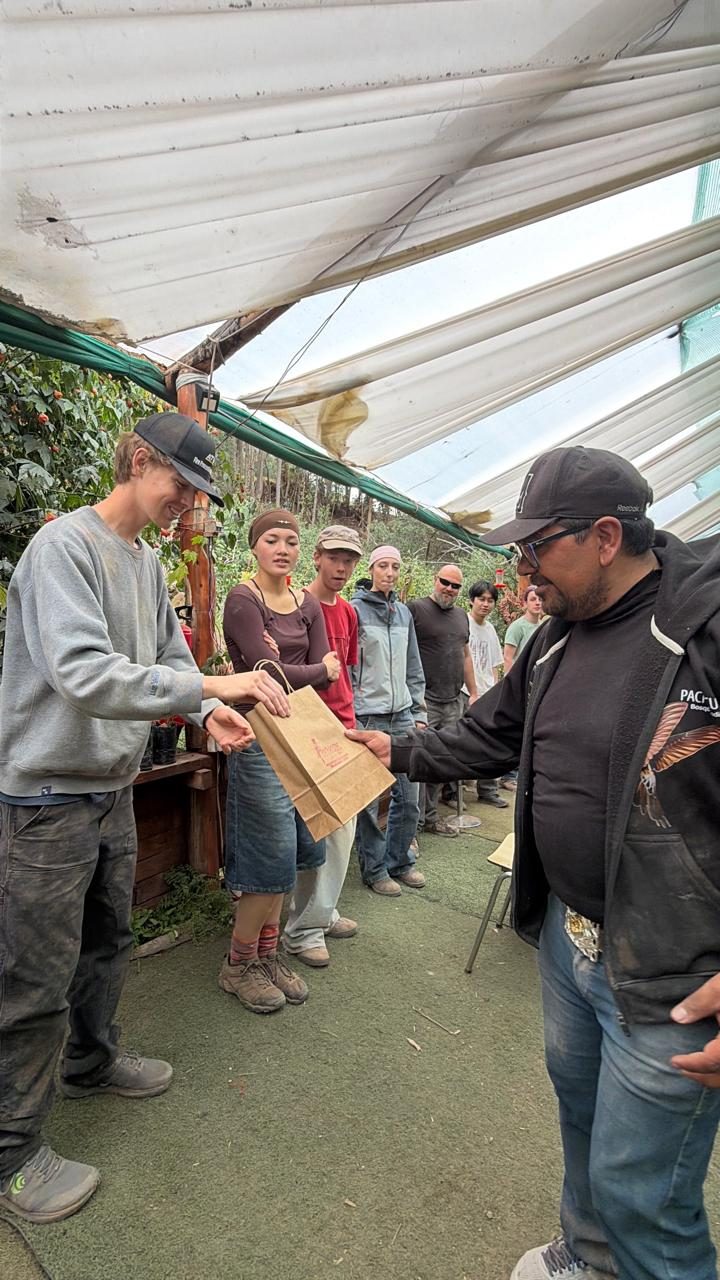
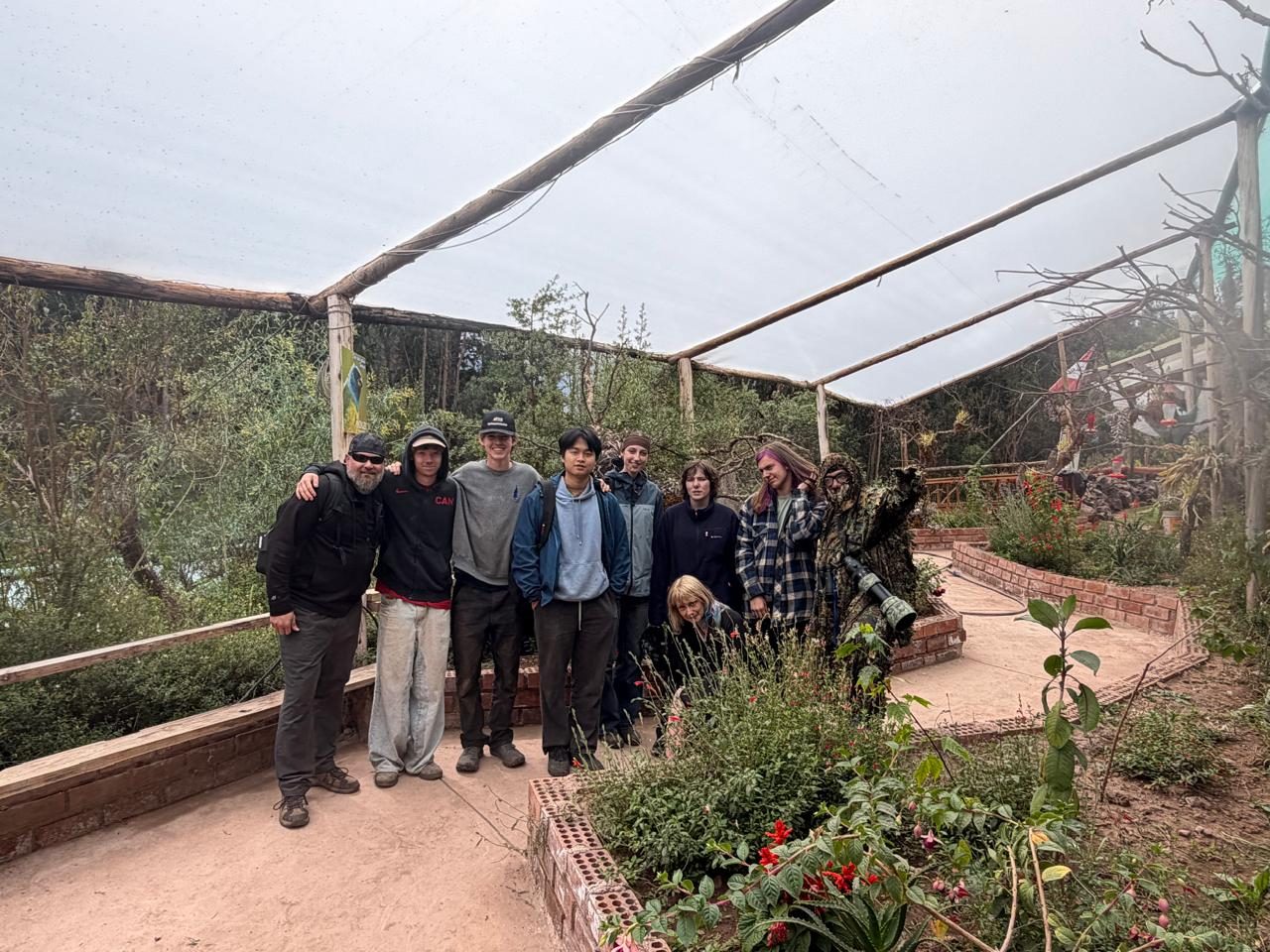
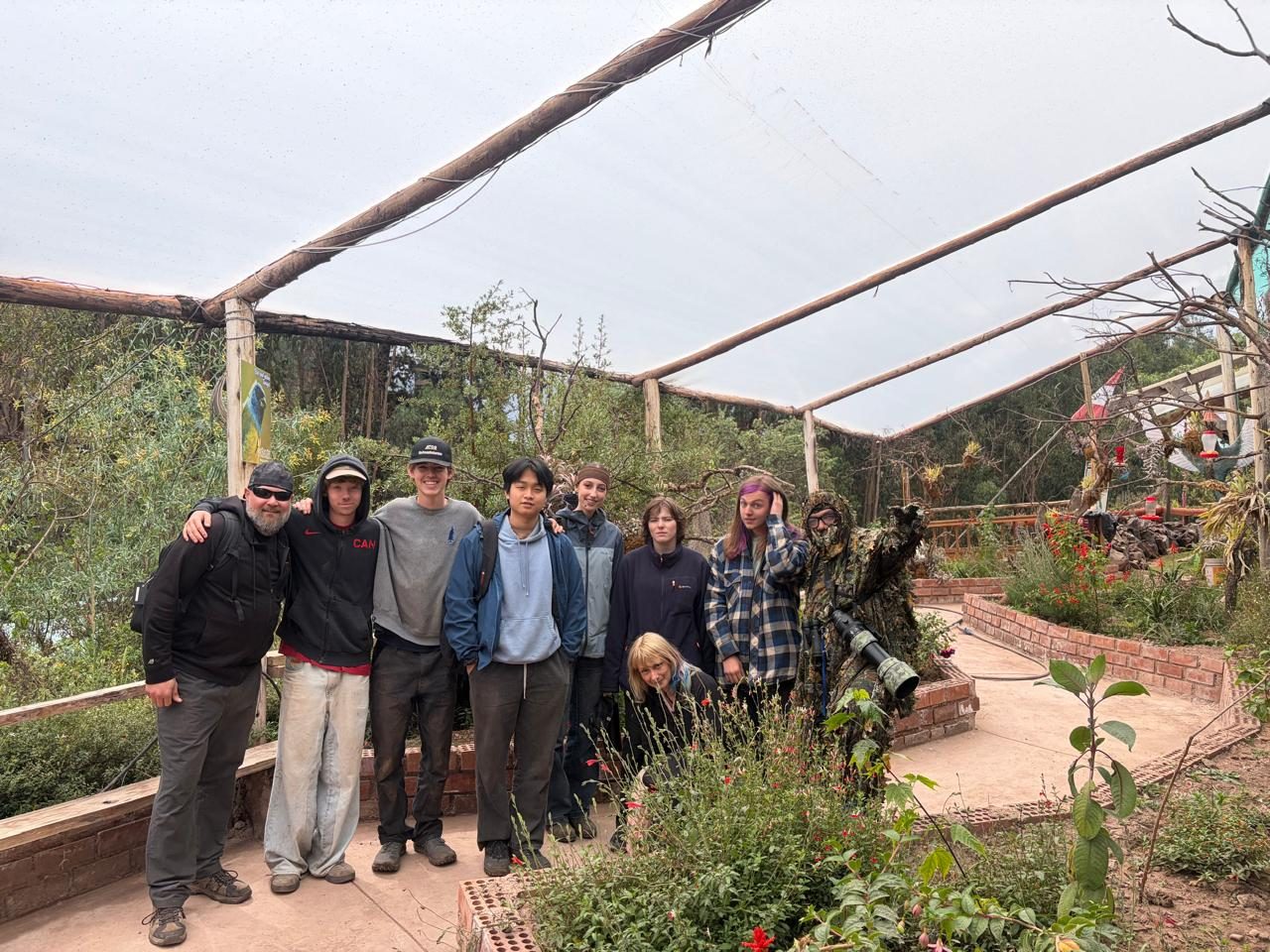
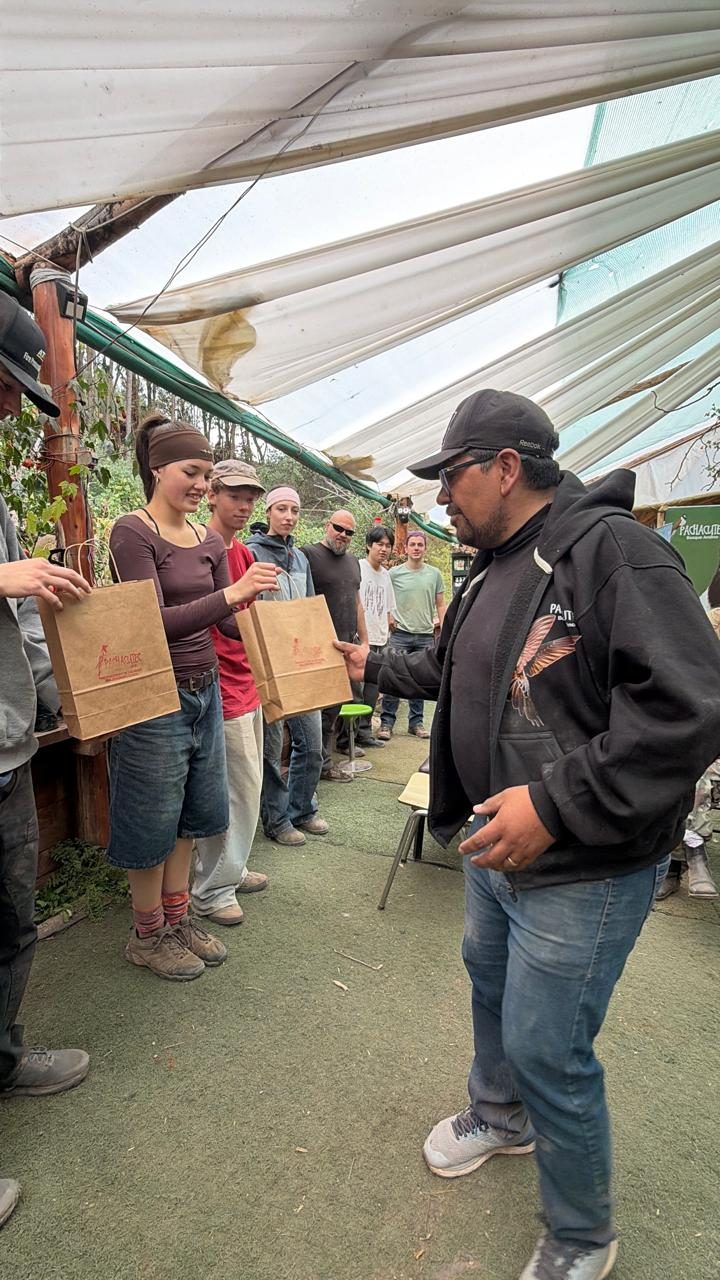
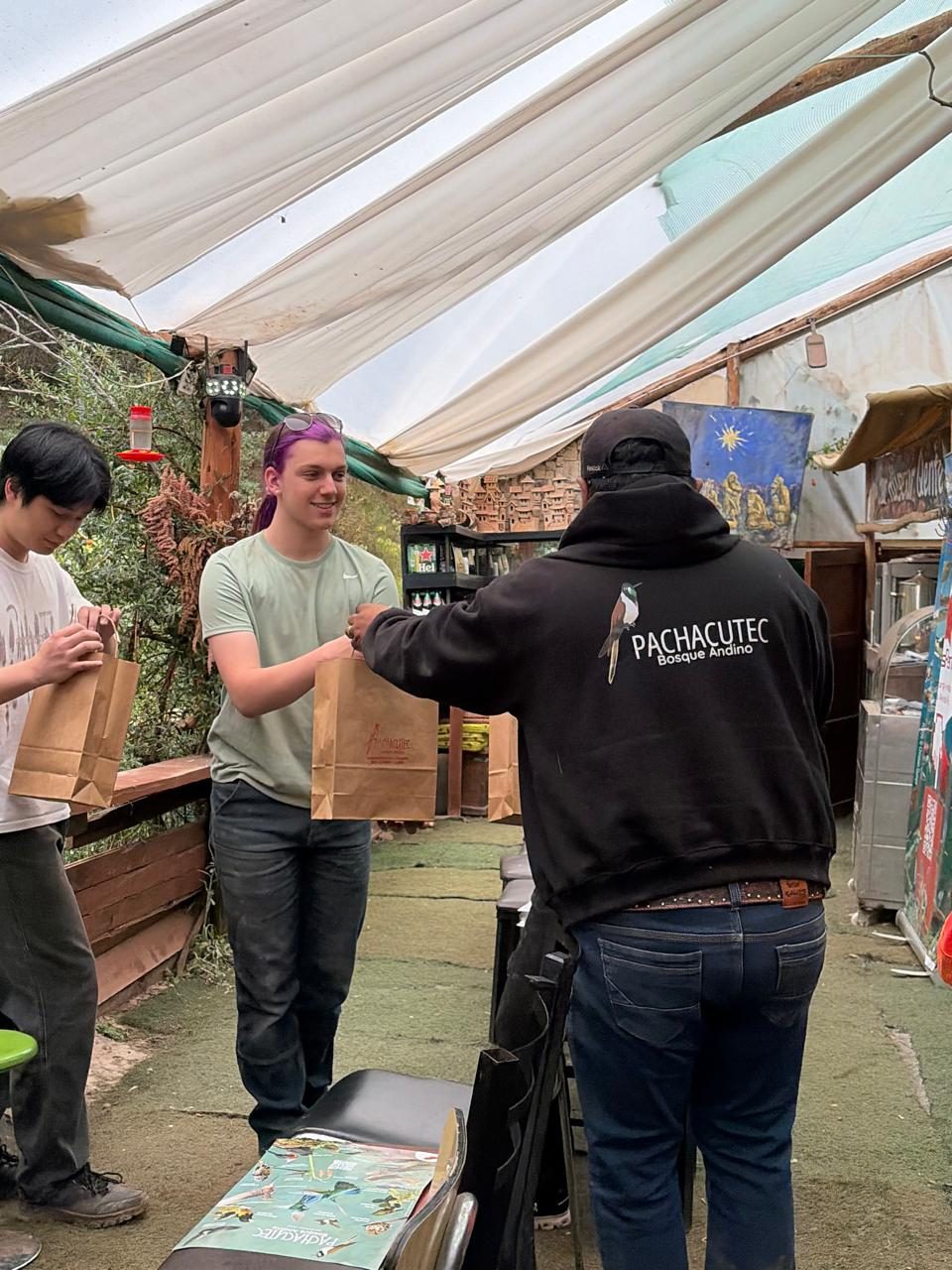
In recent days, this conservation effort welcomed a special group of international volunteers coordinated by Proyecto Perú Centre, an organization that, since 2005, has facilitated volunteer experiences for thousands of people from different countries. Among the participants, students and representatives from Vancouver Waldorf School stood out. This independent educational institution from North Vancouver, Canada, has promoted for more than fifty years an education based on respect for nature, creativity, social responsibility, and the holistic development of the individual.
The arrival of these volunteers was not merely an intercultural exchange activity. It was an opportunity to build bridges between continents, connect different forms of learning, and demonstrate that the conservation of nature is a shared responsibility of all humanity.
In addition to the practical activities, the visit included an important educational component. The participants received specialized training on Andean biodiversity, ecology, the environment, ecological restoration, and bird conservation, thereby strengthening their understanding of the environmental challenges faced by mountain ecosystems in Peru and around the world.
THE ANDEAN FOREST: ONE OF THE MOST IMPORTANT ECOSYSTEMS ON THE PLANET
When people speak about conservation, attention is often focused on the Amazon. However, Andean forests are among the most important and strategic ecosystems in South America.
These forests function as enormous natural water factories. They capture moisture from the clouds, regulate water flows, and supply thousands of human communities. In addition, they store carbon, protect soils from erosion, and serve as a refuge for an extraordinary diversity of species.
Various scientific studies highlight that Andean montane forests are considered biodiversity hotspots due to their high species richness and high levels of endemism. Likewise, they play a fundamental role in climate regulation and in the provision of essential ecosystem services for human populations.
Despite their importance, Andean forests are also among the most threatened ecosystems. Decades of urban expansion, intensive agriculture, forest fires, and replacement by exotic species have considerably reduced their original extent.
In response to this reality, Pachacútec Andean Forest was born.
For more than seven years, the project has developed a continuous ecological restoration process through the planting of native species, habitat recovery, the construction of ecological infrastructure, and the creation of spaces for research and environmental education.
What was once a degraded area is gradually being transformed into a refuge for Andean biodiversity.
A REFUGE FOR THE BIRDS OF THE ANDES
One of the most visible results of this process is the return of birds.
Today, Pachacútec Andean Forest is home to more than 42 recorded species, including hummingbirds, tanagers, flycatchers, flowerpiercers, siskins, Andean sparrows, and other species characteristic of high-Andean ecosystems.
Several of these species depend directly on the existence of native flowers for their survival. For this reason, the restoration of nectar-producing plants has become one of the fundamental pillars of the project.
Every new plant that is planted represents a source of food for pollinators.
Every restored flower increases the chances of survival for birds.
Every restored tree creates new opportunities for reproduction, shelter, and movement for wildlife.
The volunteers were able to understand this relationship during the birdwatching activities carried out at the forest observatories.
Through binoculars and field guides, they observed how hummingbirds visit flowers, how they defend their territories, and how they actively participate in the pollination processes that allow the natural regeneration of the ecosystem.
TRAINING ON BIRDS OF THE ANDES MOUNTAIN RANGE AND BIRDS OF PERU
As part of the educational program developed during the visit, the participants received specialized training on the birds of the Andes Mountain Range and the birds of Peru. During this session, the extraordinary diversity of species inhabiting Andean ecosystems was explained, as well as the importance of Peru as one of the countries with the greatest bird richness in the world.
The students learned about the biology, behavior, feeding habits, and distribution of different species found in the Peruvian Andes. Special emphasis was placed on the ecological role of hummingbirds as pollinators, as well as the importance of other insectivorous and frugivorous birds in maintaining ecological balance.
The main threats faced by Andean birds were also addressed, including habitat loss, forest fragmentation, climate change, and urban expansion. This training helped participants understand that bird conservation is directly connected to the protection and restoration of native forests.
TRAINING IN ECOLOGY AND THE ENVIRONMENT
Another educational activity carried out was the training session on ecology and the environment. During this session, fundamental concepts related to ecosystems, food chains, natural cycles, biodiversity, and ecosystem services were explained.
The participants learned how Andean ecosystems function and why each organism plays a specific role in nature. They also reflected on the impacts of human activities on the environment and the need to promote sustainable practices to guarantee the conservation of natural resources for future generations.
This training strengthened the environmental awareness of the participants and helped them understand that conservation requires both scientific knowledge and civic commitment.
TRAINING ON THE IMPORTANCE OF PACHACÚTEC ANDEAN FOREST
During the visit, a presentation was also given on the history, objectives, and achievements of Pachacútec Andean Forest.
The volunteers learned about the ecological recovery process being carried out in the Wanakaure micro-watershed, as well as the efforts aimed at restoring native plant species, recovering habitats for birds, and creating environmental education spaces for the local community and international visitors.
It was explained how the project integrates conservation, research, nature tourism, birdwatching, and community participation in order to contribute to the protection of Andean ecosystems. The importance of involving young people and volunteers in concrete ecological restoration actions was also highlighted.
FIRST DAY: COMMUNITY WORK AND STRENGTHENING OF THE RETAINING WALL
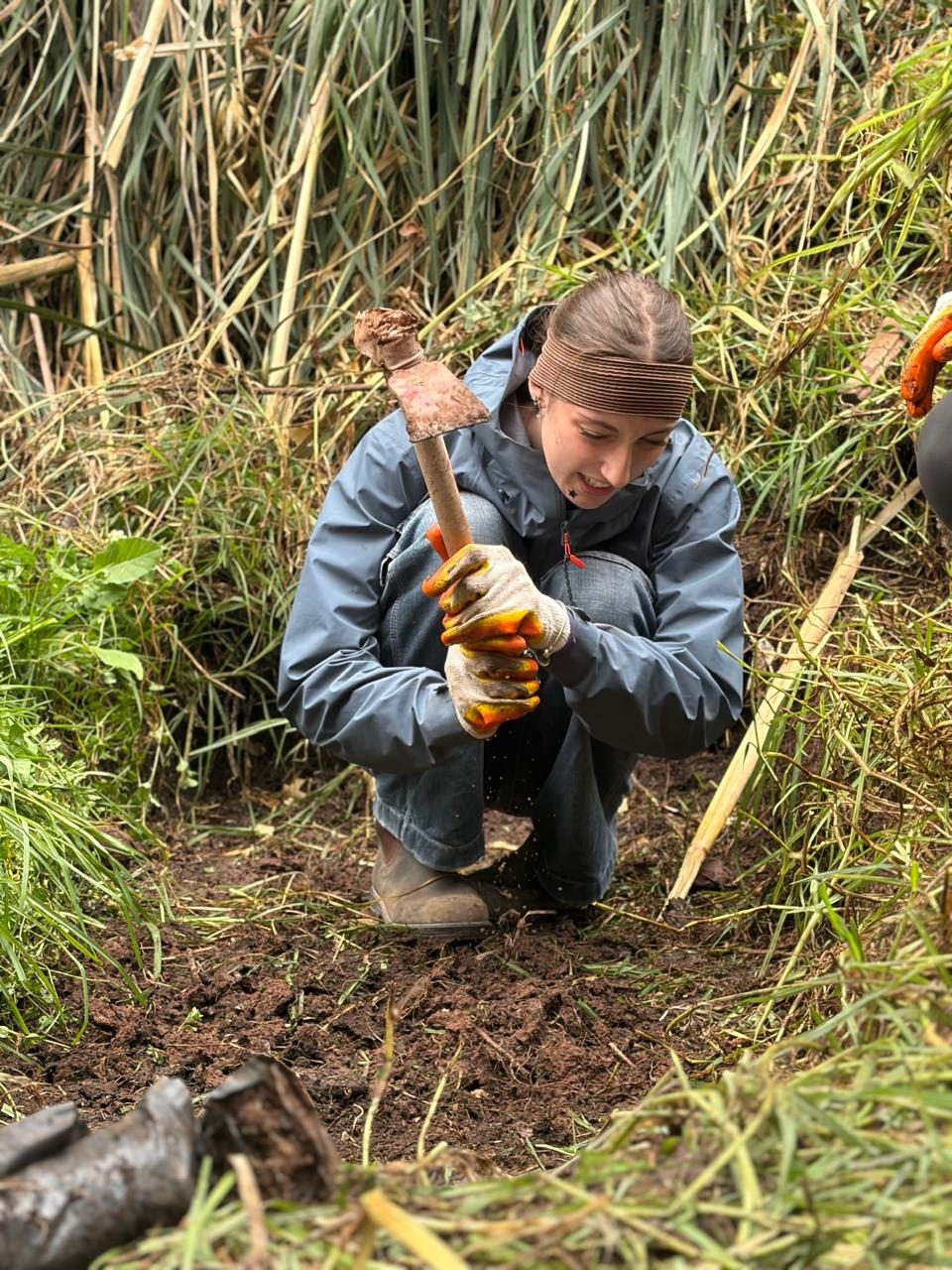
The first day was dedicated to physical work and direct support in the restoration of the project’s ecological infrastructure.
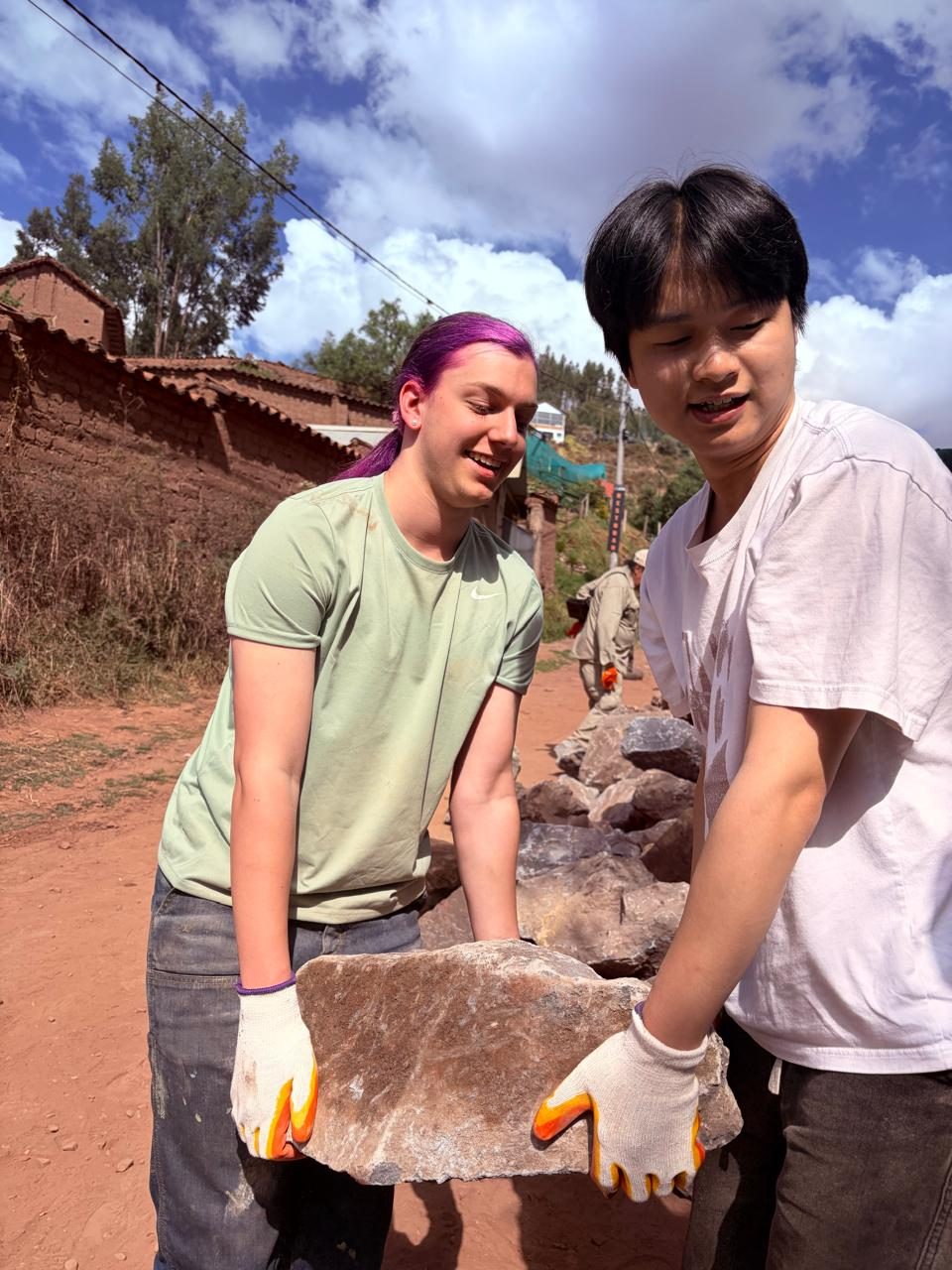
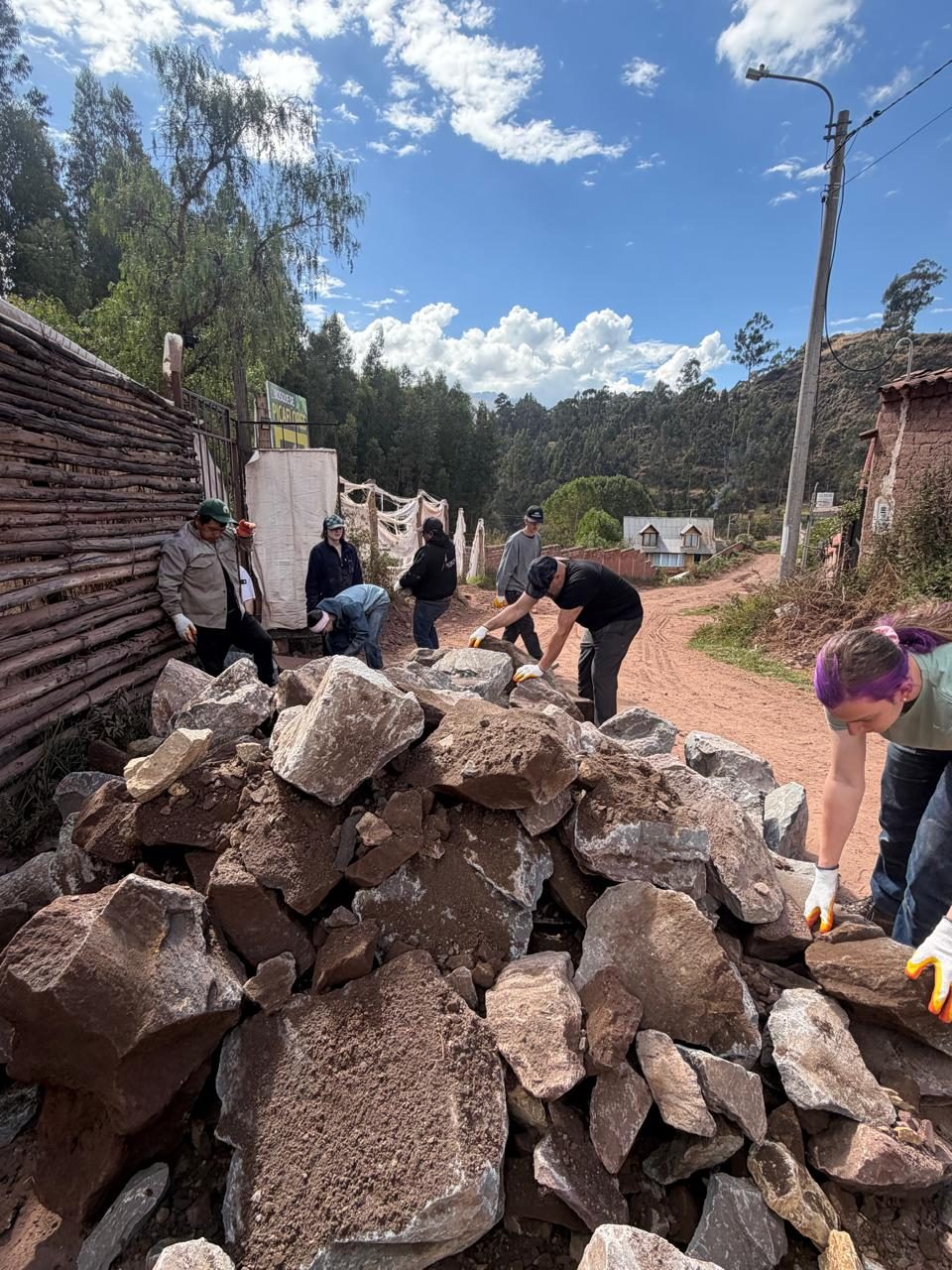
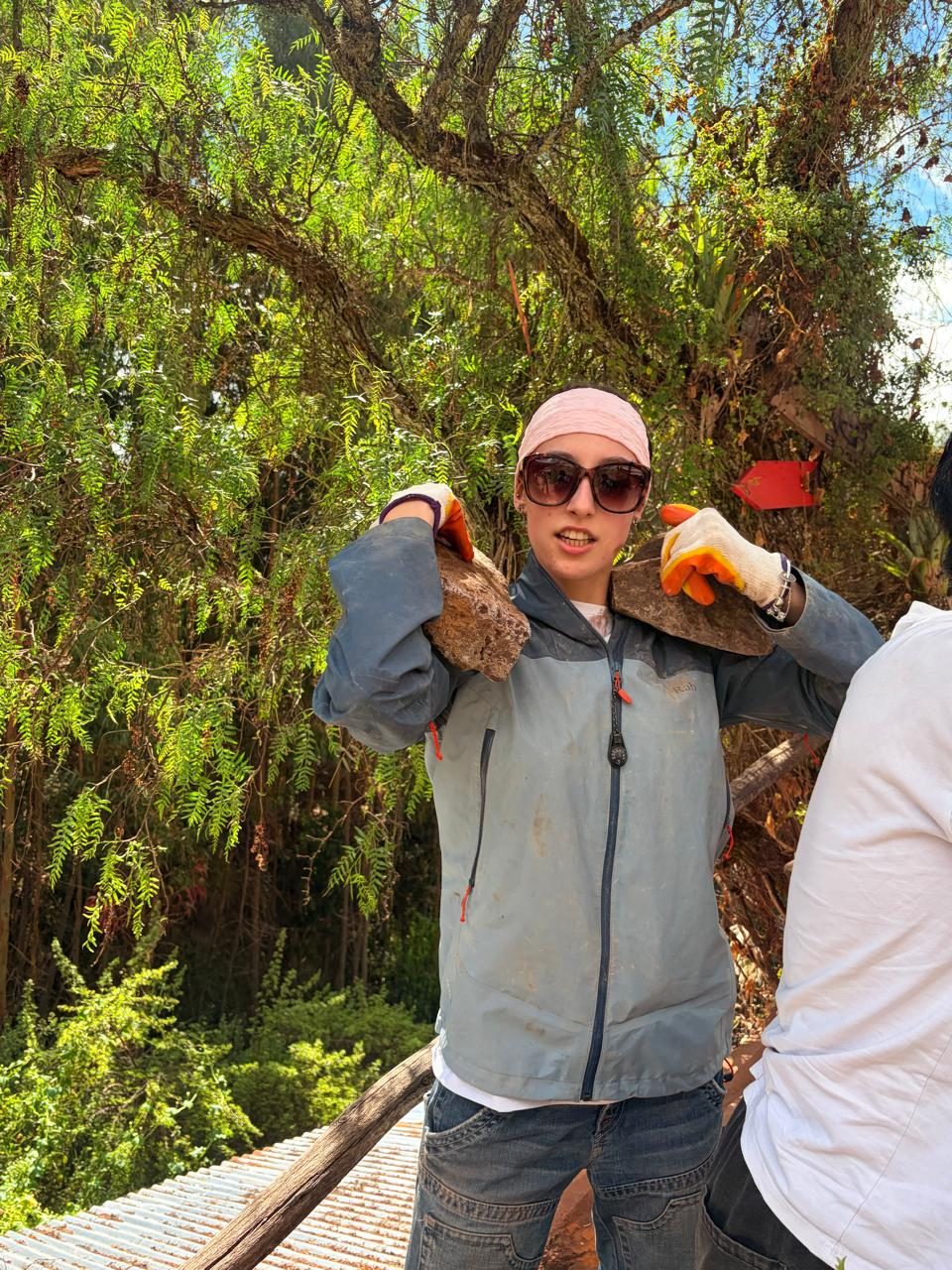
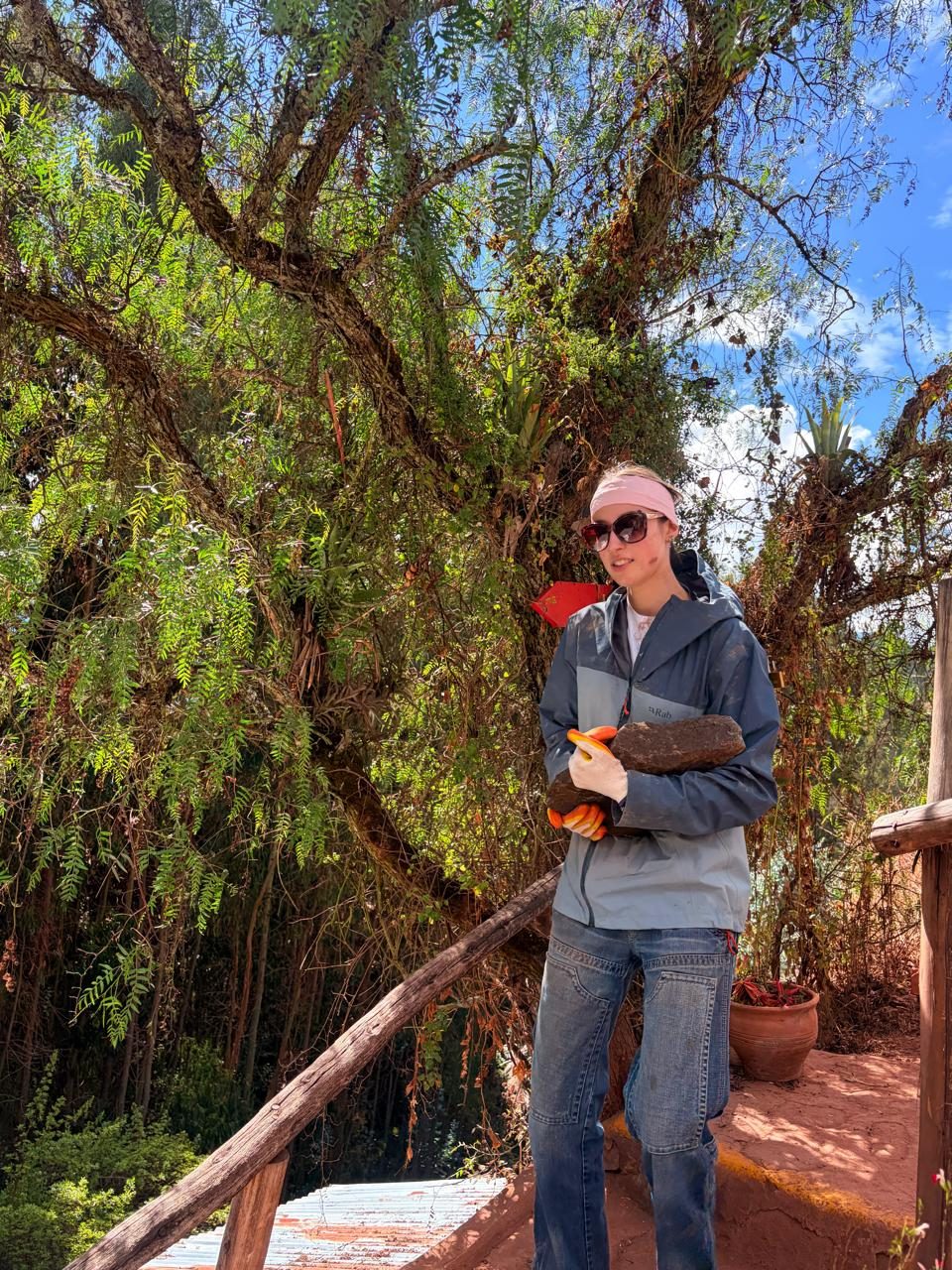
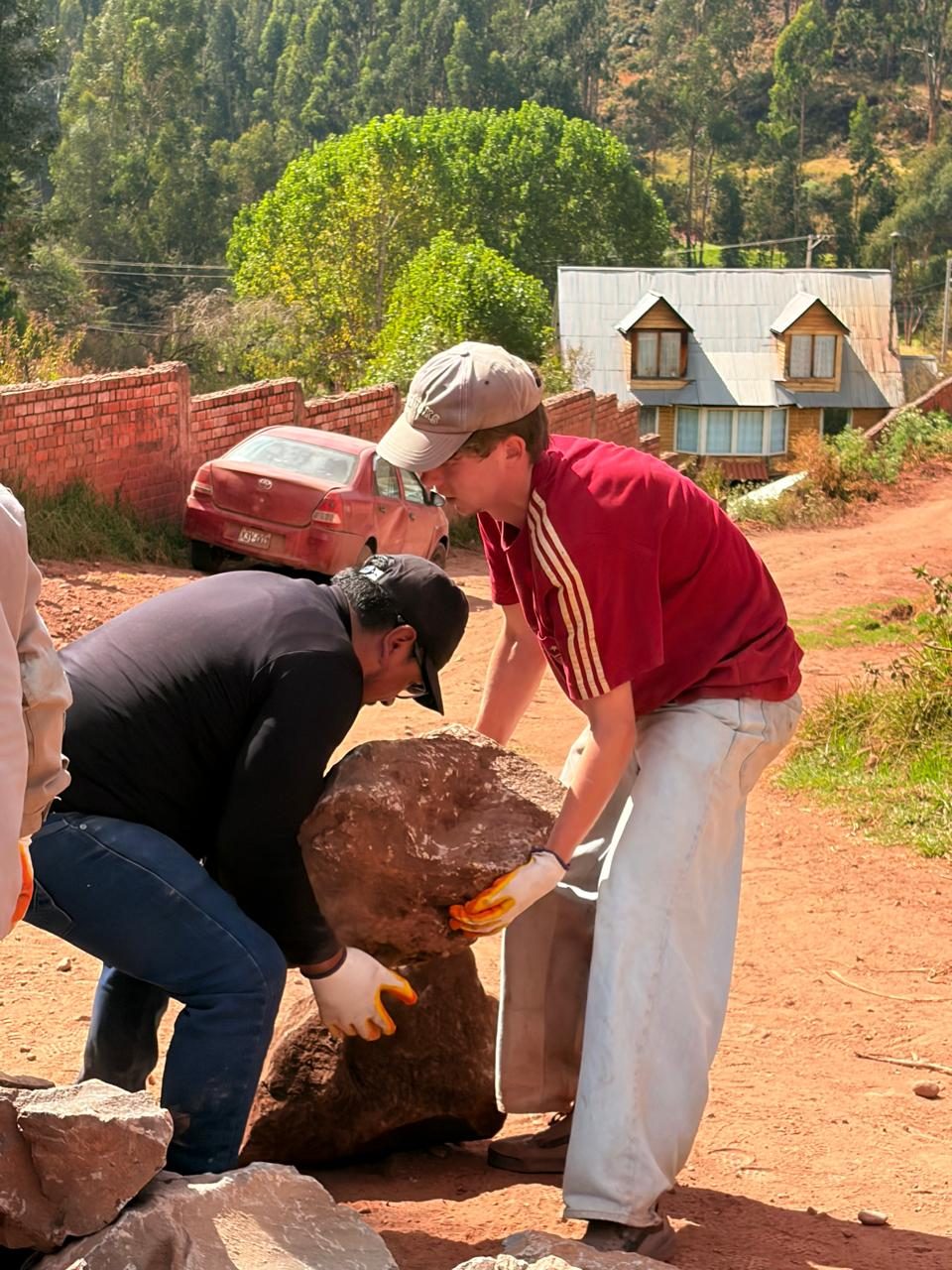
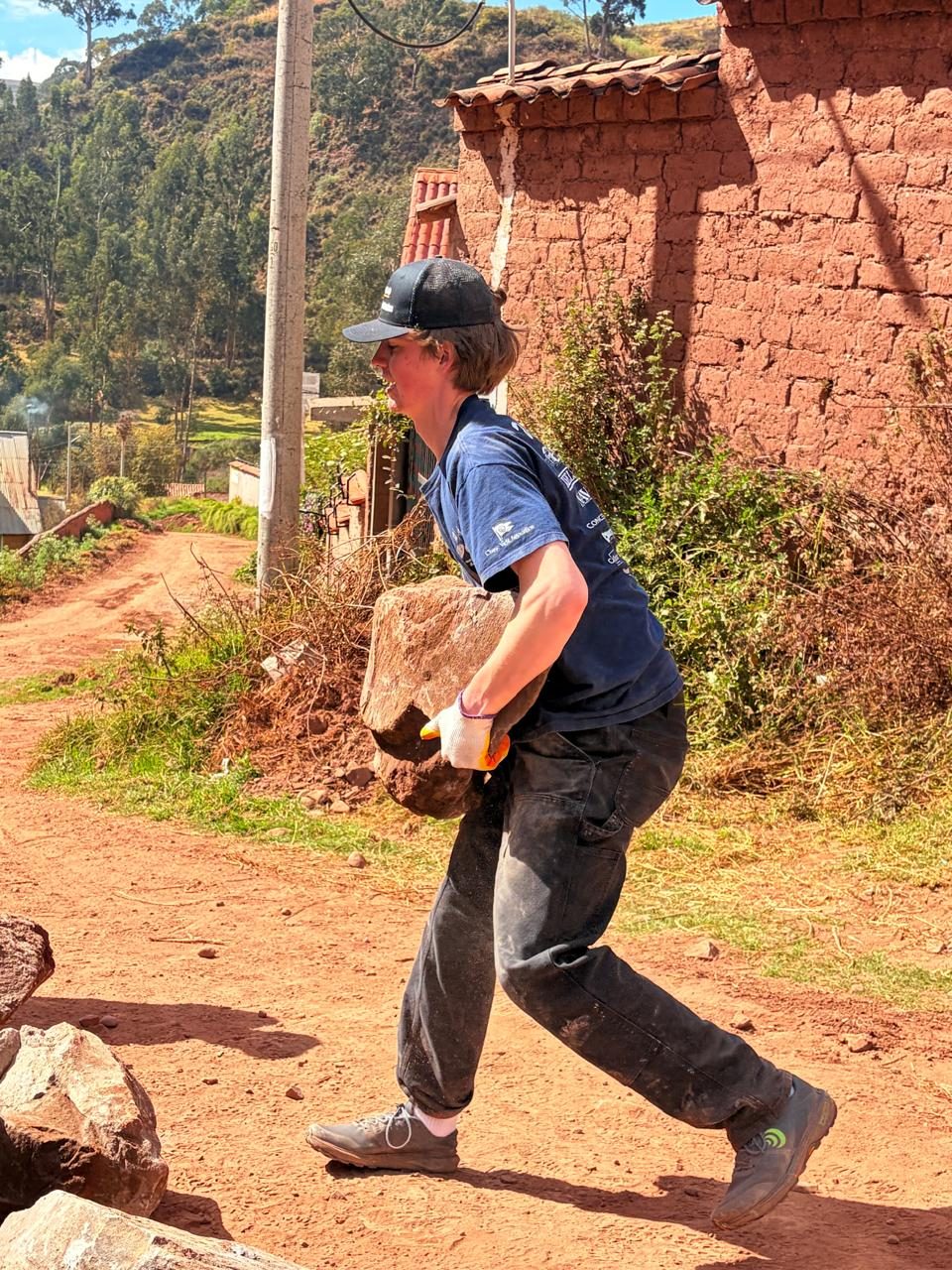
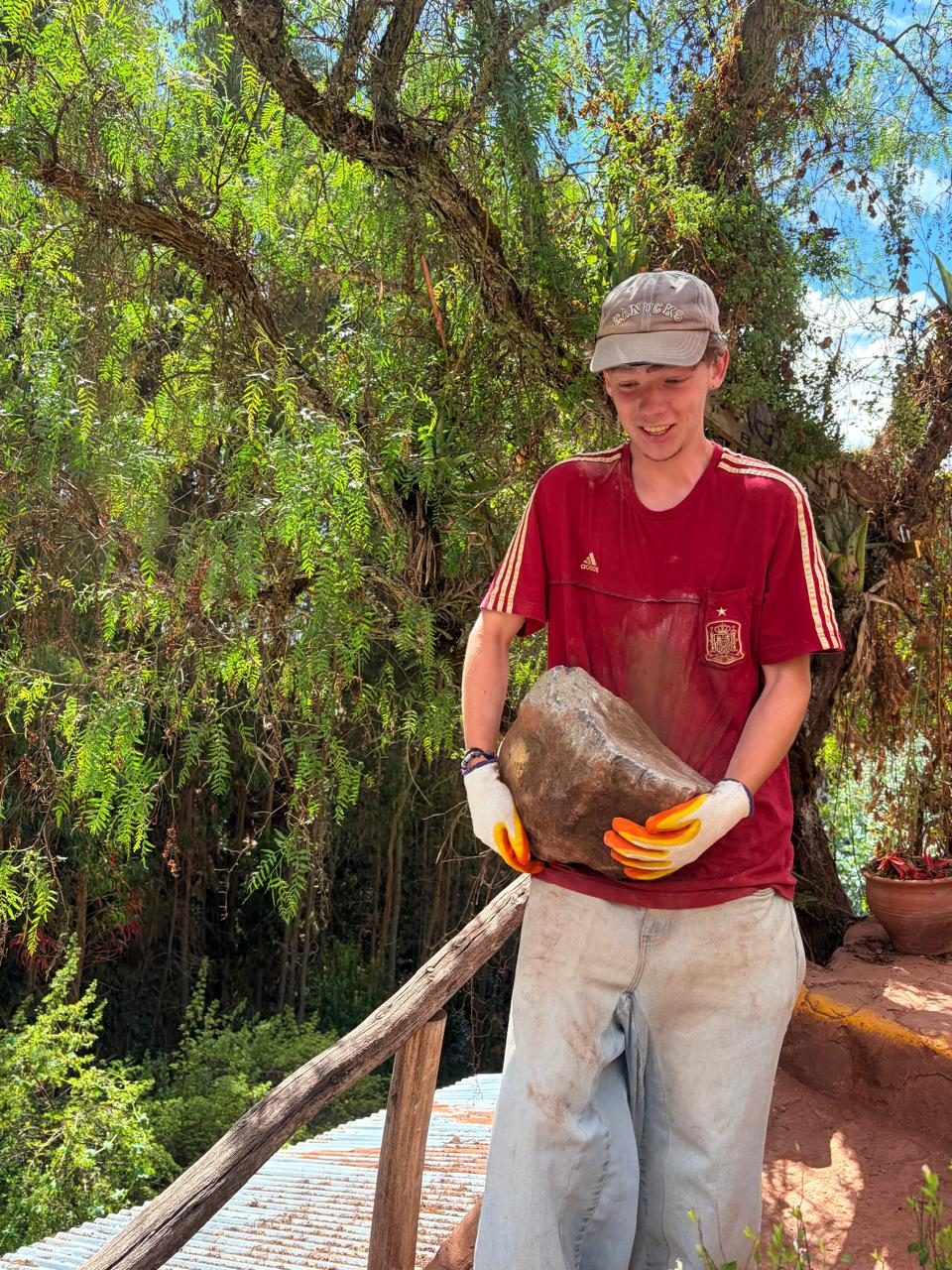
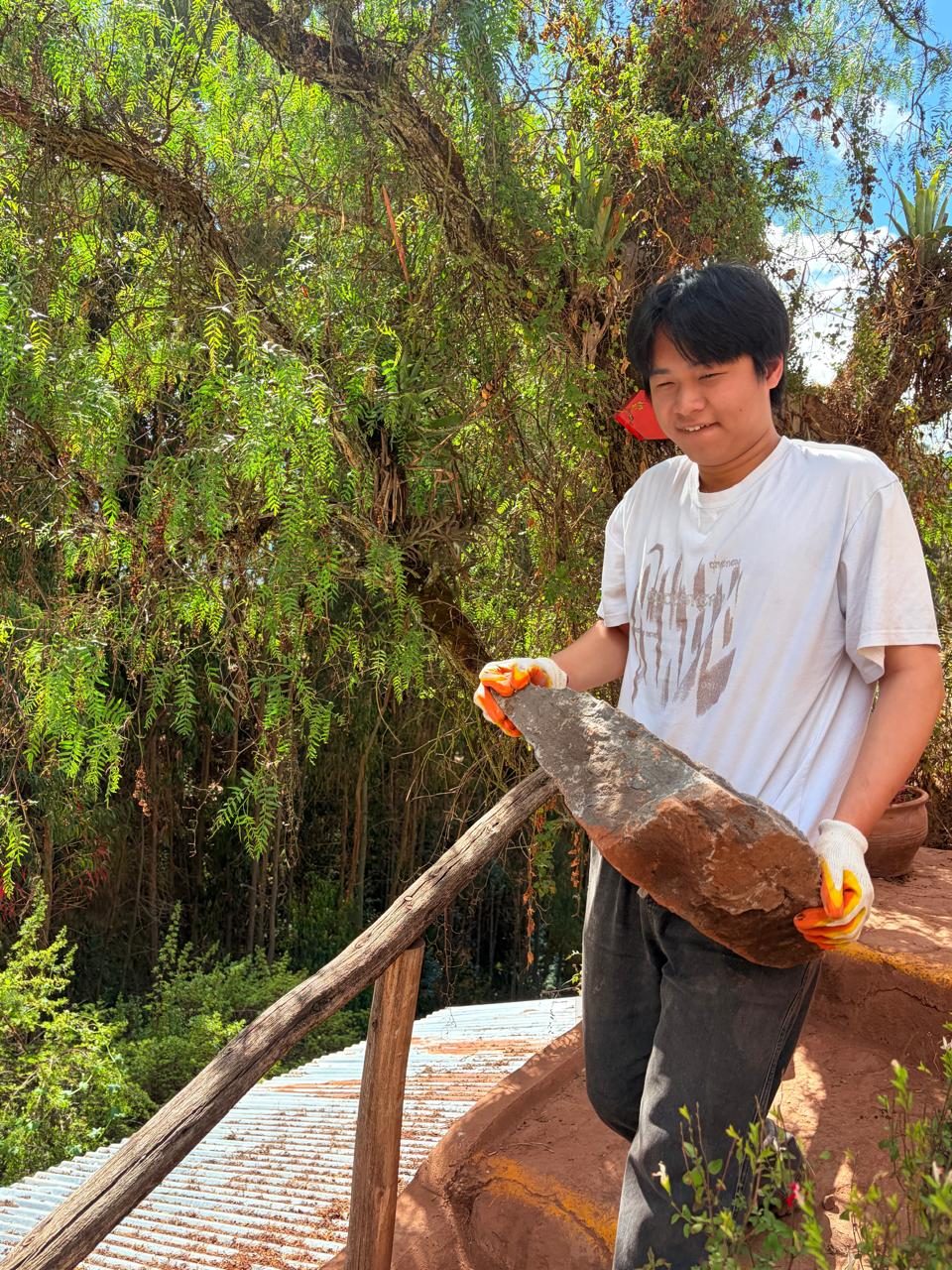
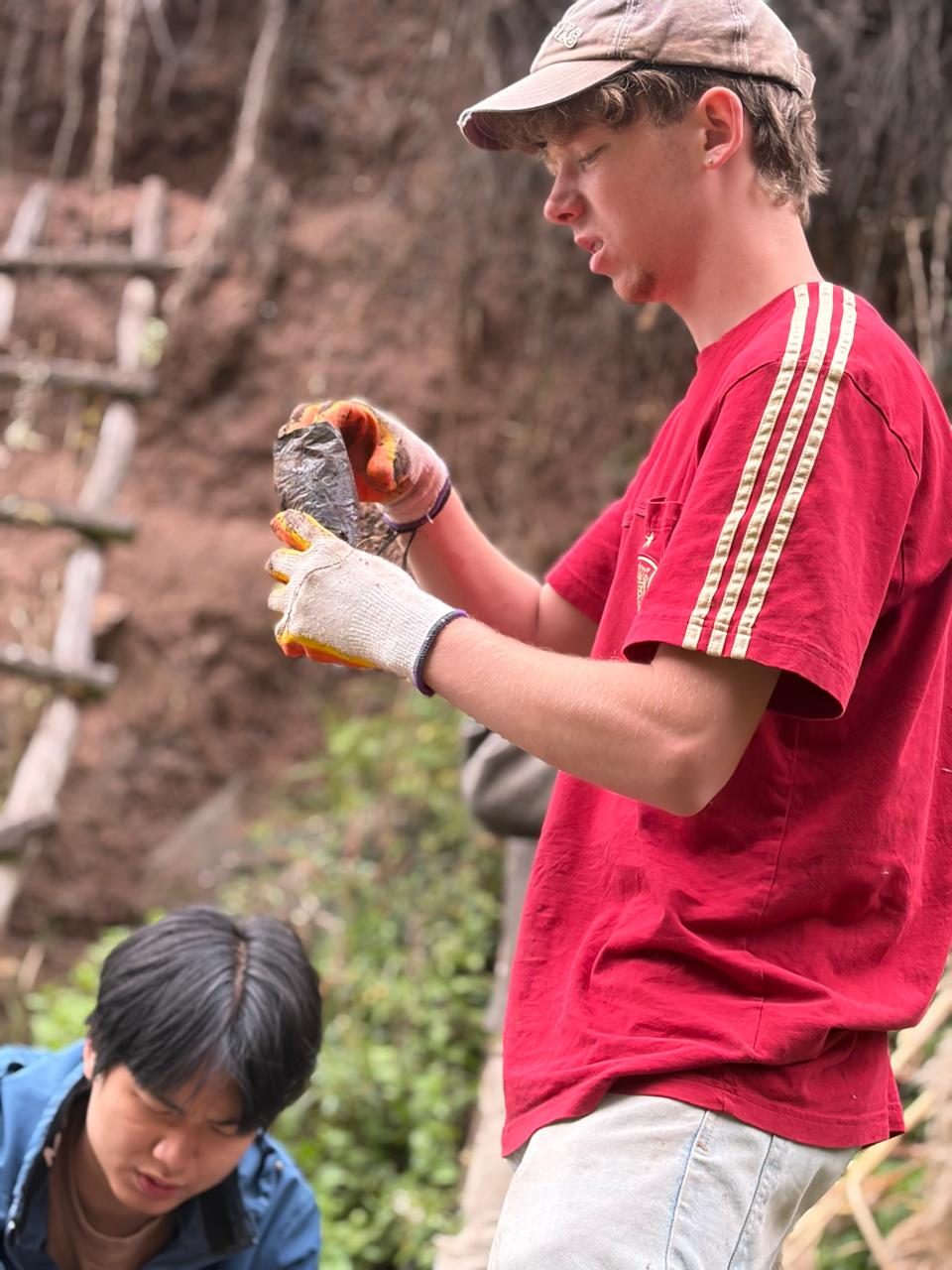
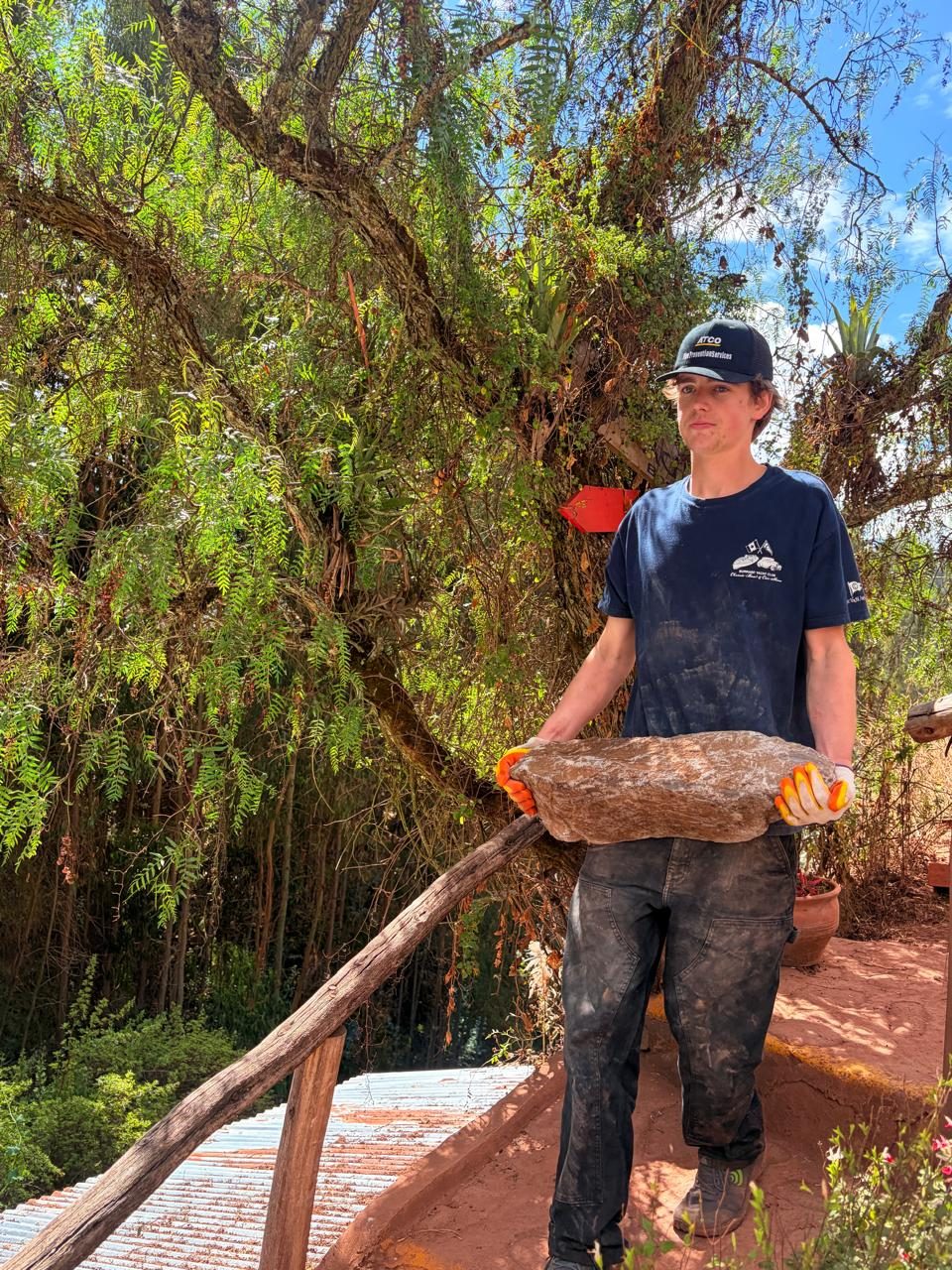
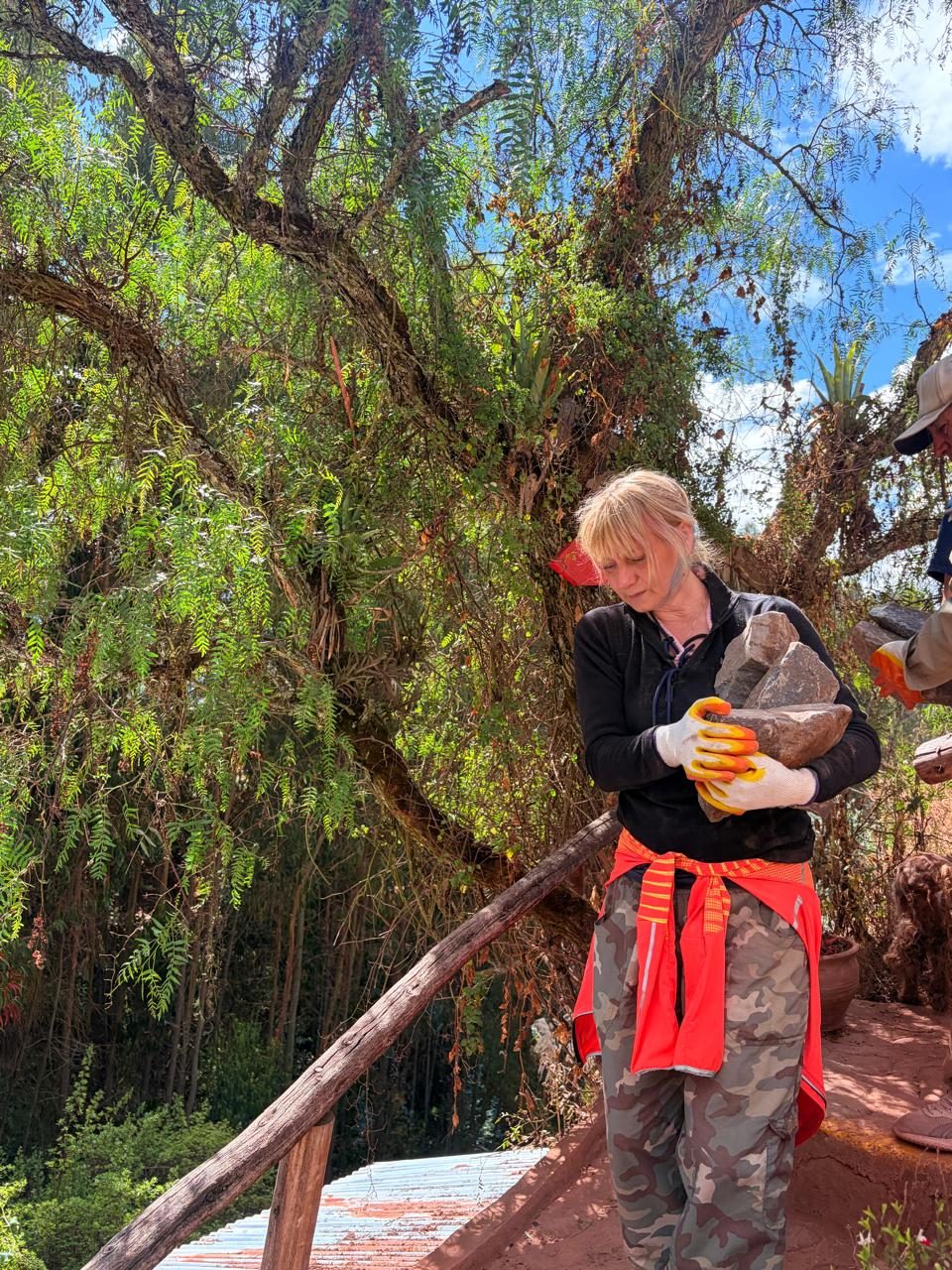
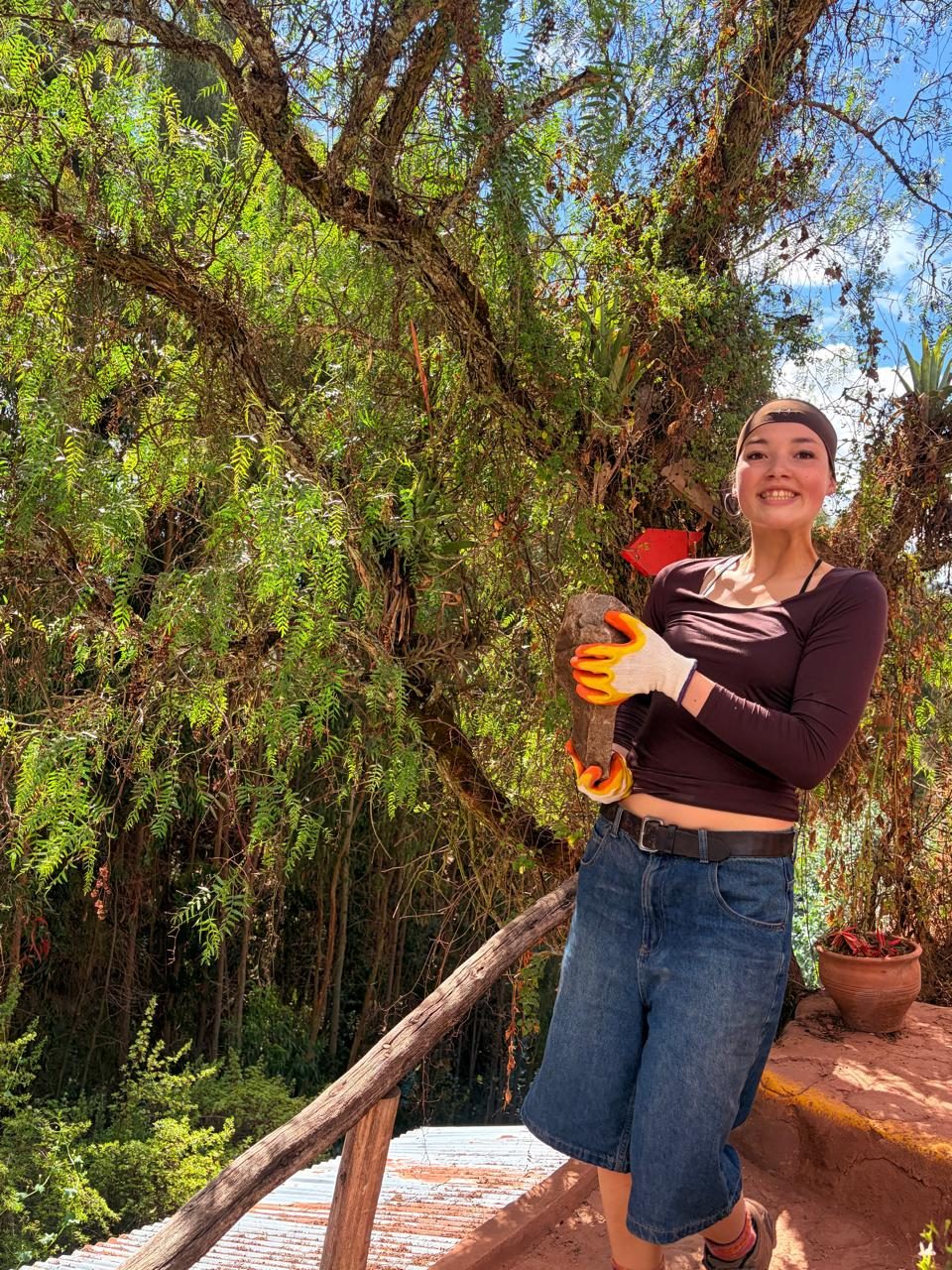
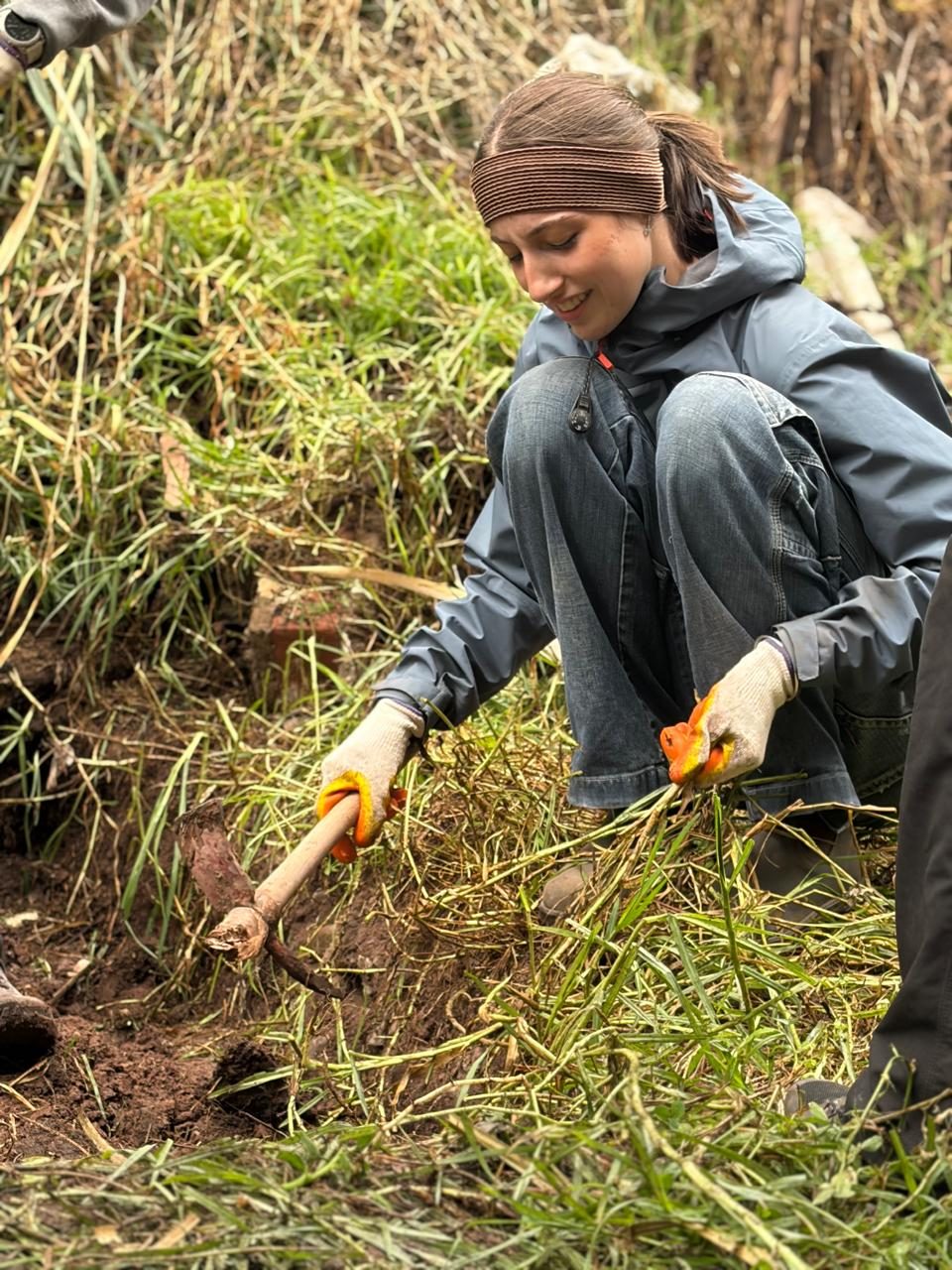
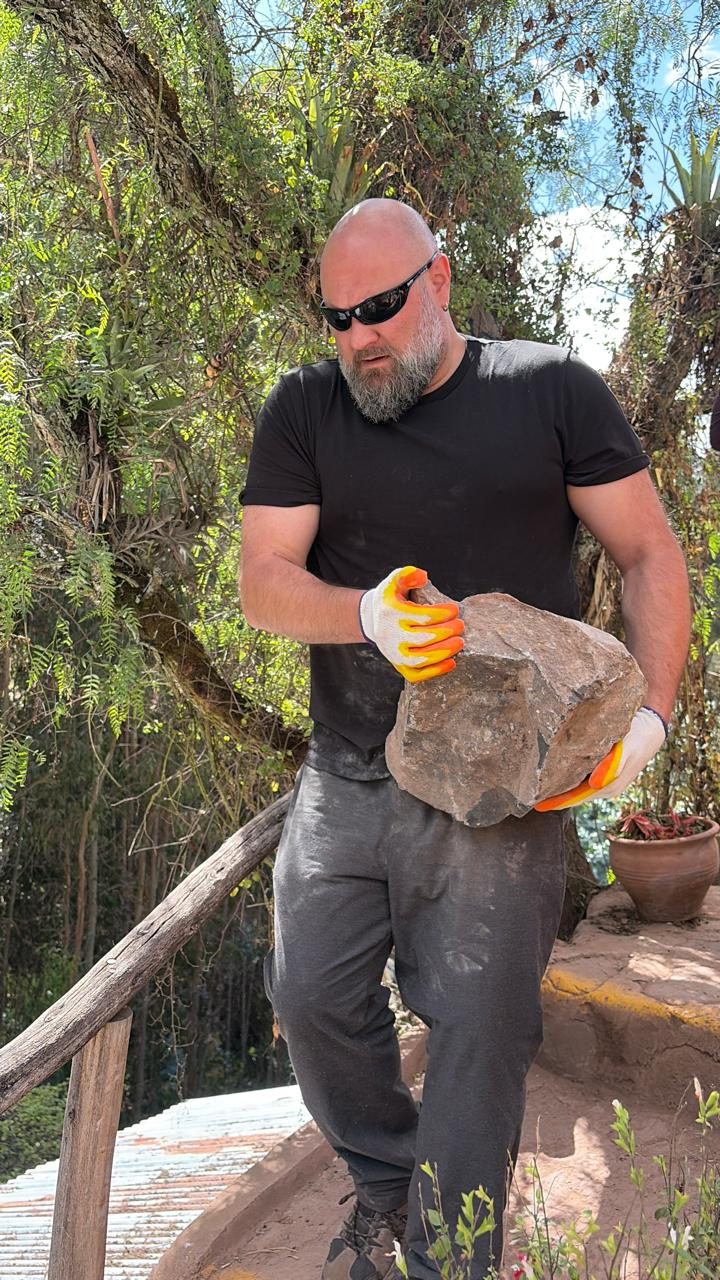
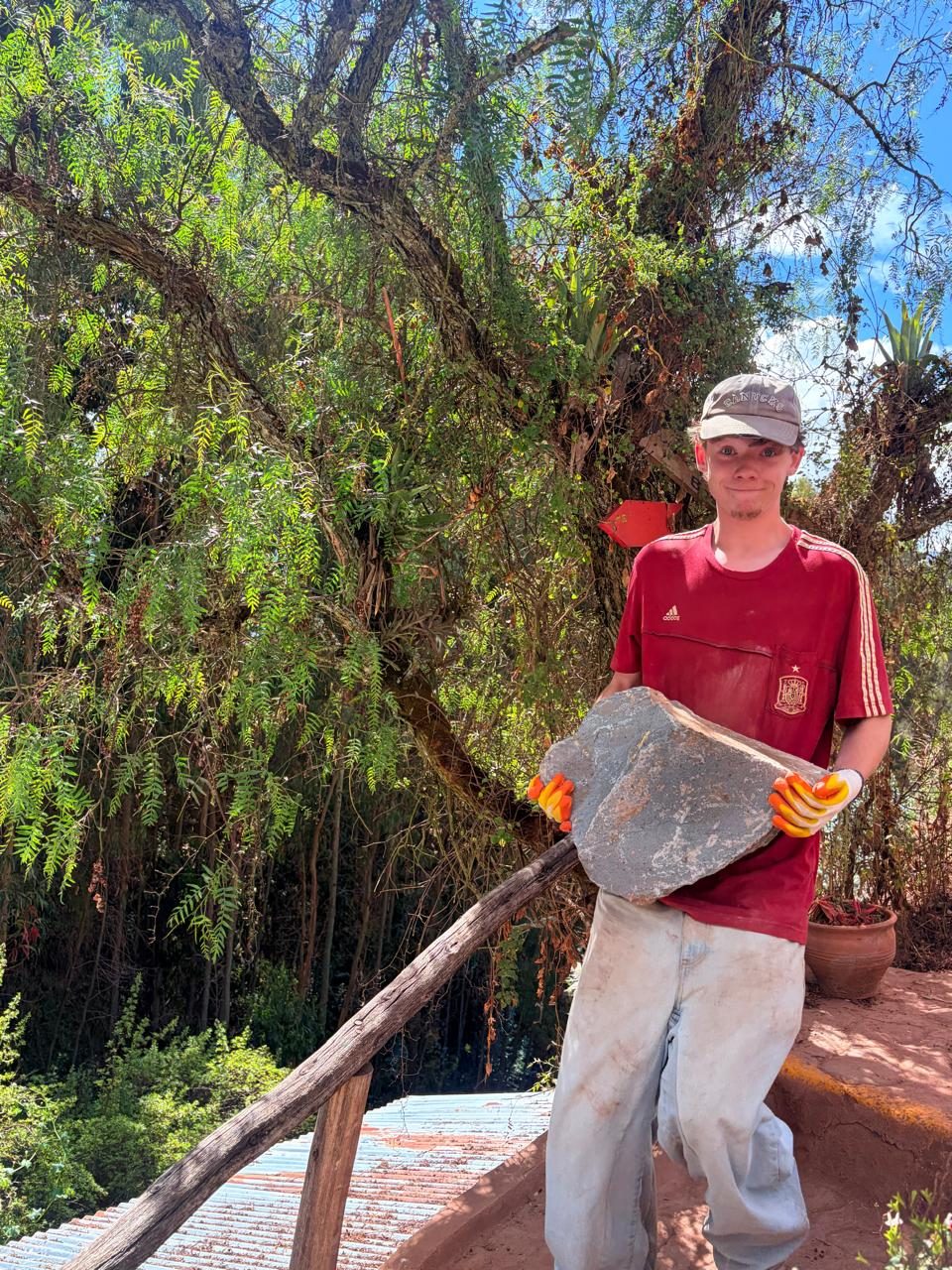
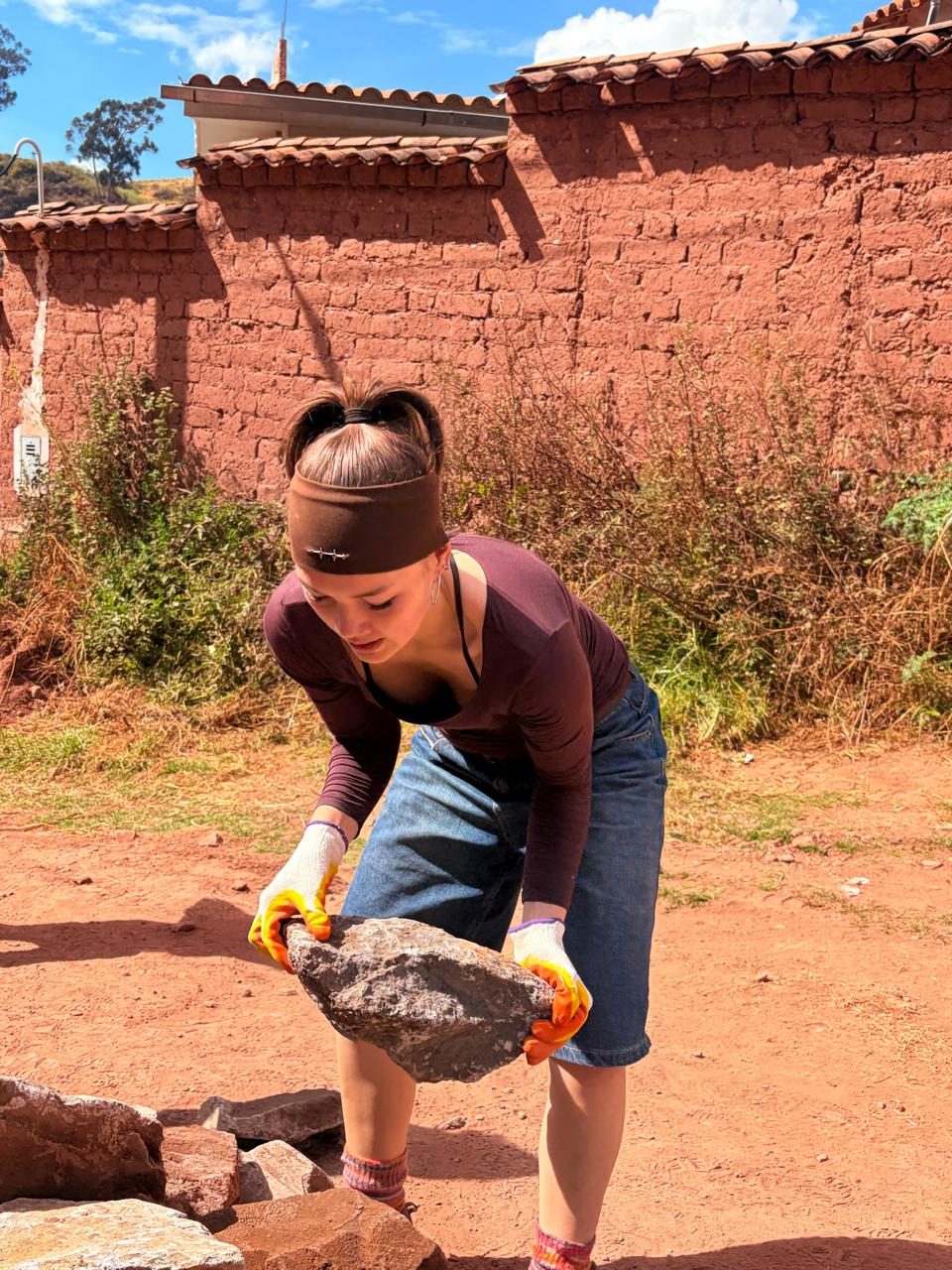
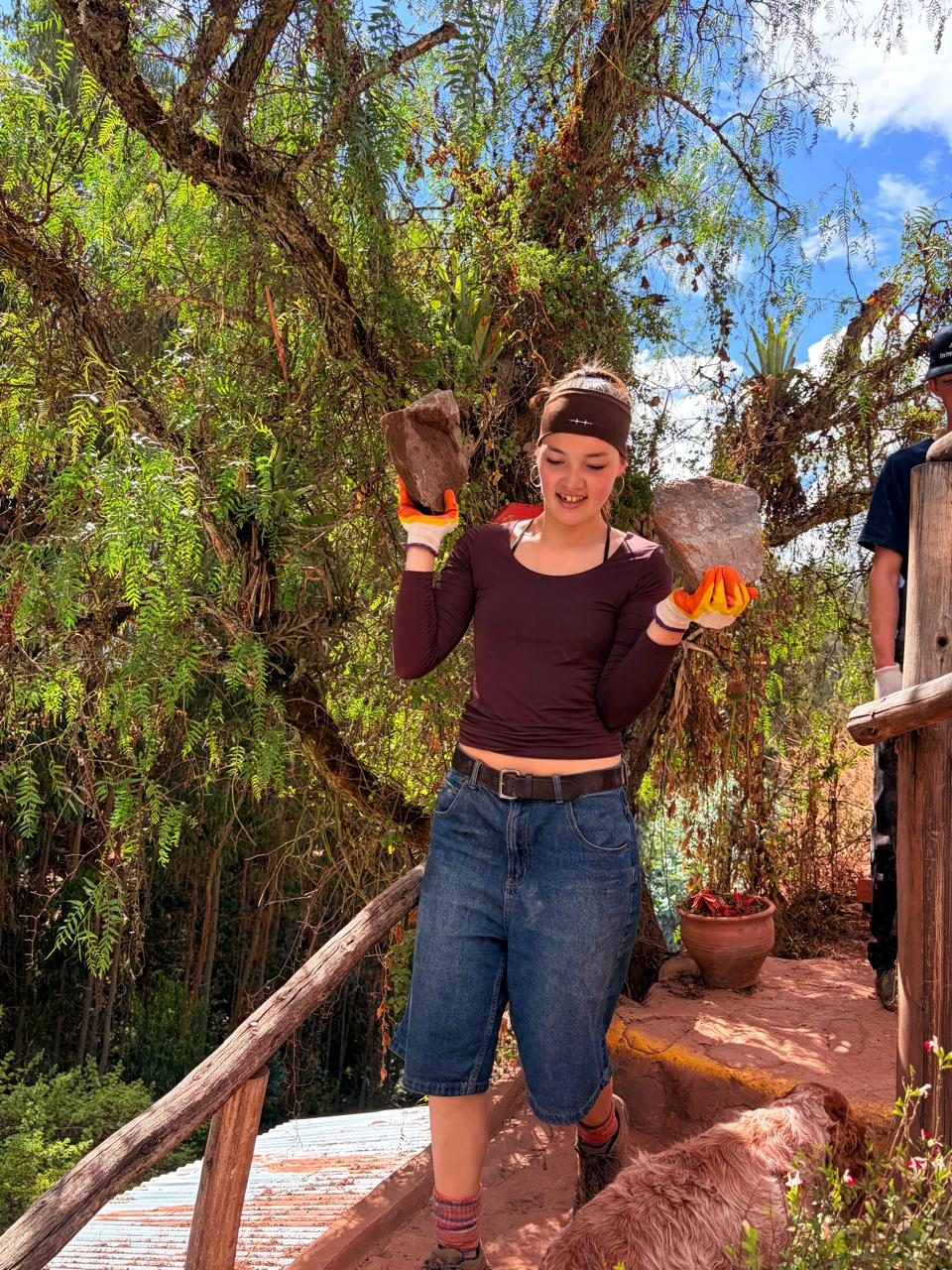
After a brief induction on safety and the objectives of the activity, the volunteers actively participated in moving stones intended to strengthen a retaining wall that is currently being restored to protect important areas of the Andean forest.
With great energy, enthusiasm, and a spirit of collaboration, the students and volunteers worked as a team for several hours, transporting materials and supporting the different stages of construction. This work is essential to prevent erosion processes, stabilize the terrain, and ensure the protection of the restored areas.
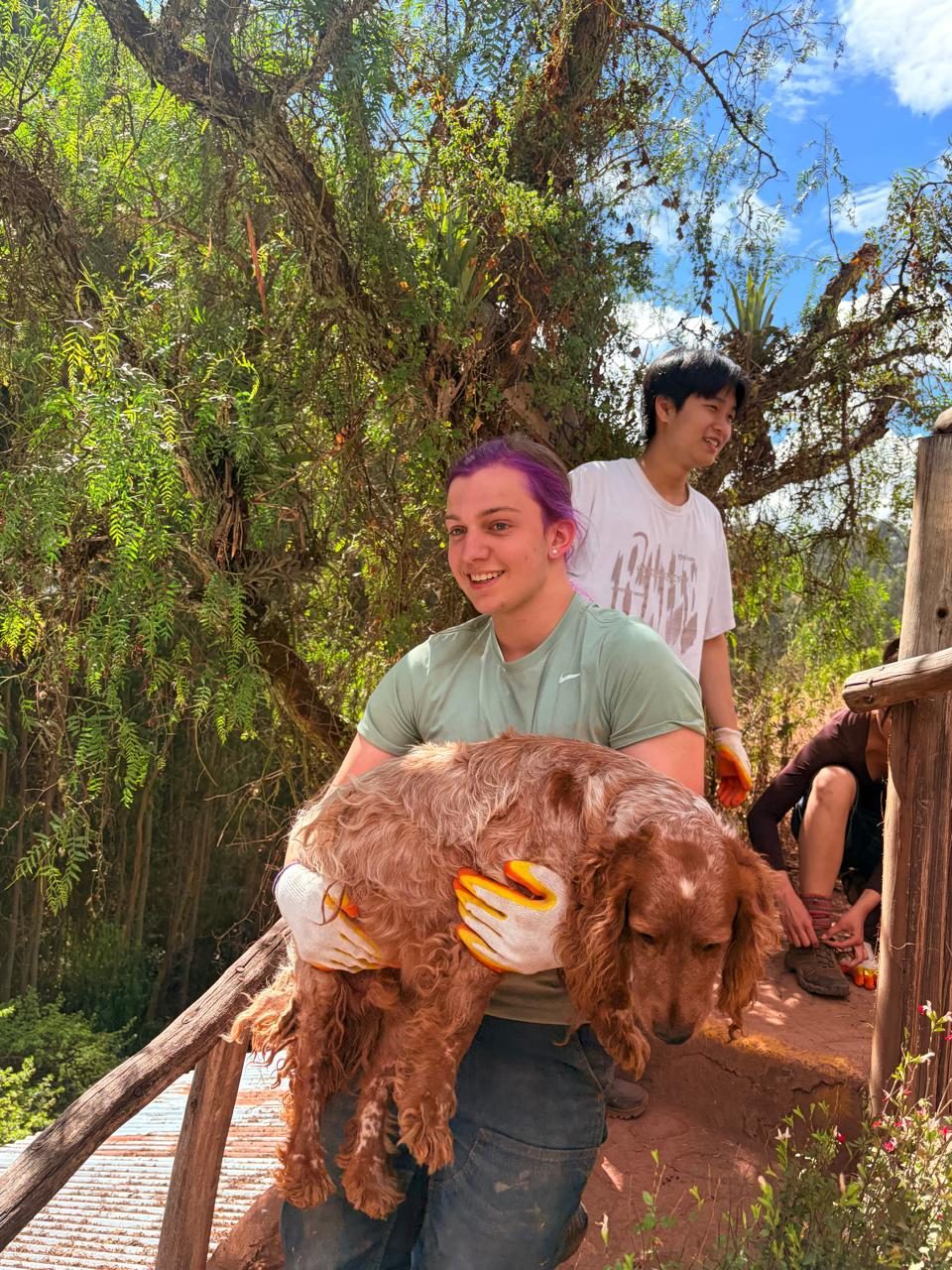
Thanks to the joint effort and the great commitment shown by all participants, the activity was successfully completed, leaving important progress for the project and a valuable collaborative work experience for the visitors.
The day concluded with a reflection on the importance of concrete actions in environmental conservation and how each individual effort can contribute to the well-being of ecosystems.
SECOND DAY: PRODUCTION OF NEW SEEDLINGS FOR THE ANDEAN FOREST
The second day focused on strengthening the forest nursery and producing future plants for ecological restoration programs.
Before beginning the practical activities, the participants received training on the importance of restoring Andean forests. During this session, it was explained how the recovery of vegetation cover helps conserve biodiversity, protect water sources, reduce soil erosion, and increase the resilience of ecosystems in the face of climate change.
It was also emphasized that ecological restoration is one of the most important strategies for confronting biodiversity loss worldwide. The participants understood that restoring a forest does not simply mean planting trees, but recovering ecological processes, habitats, and relationships between species.
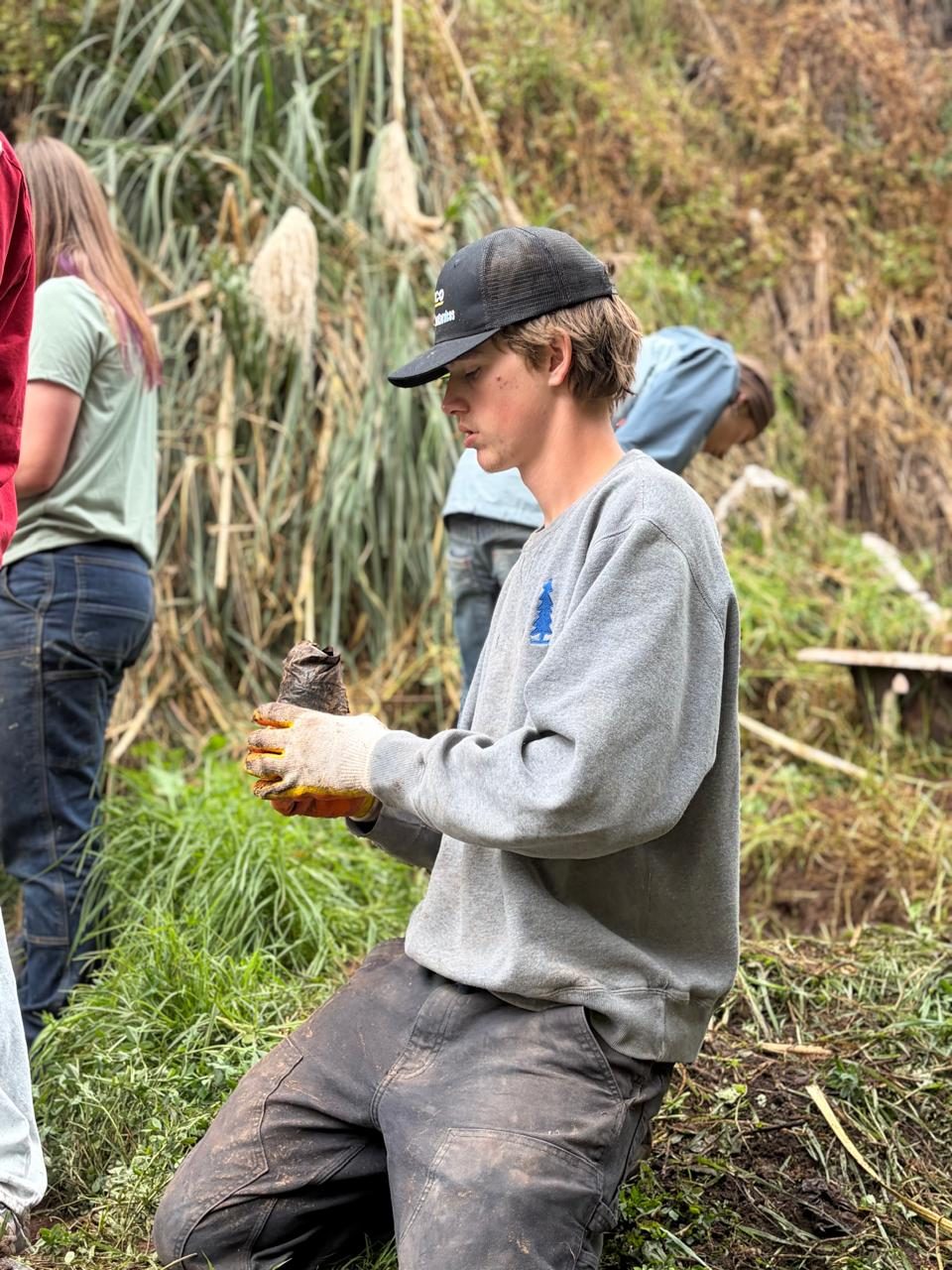
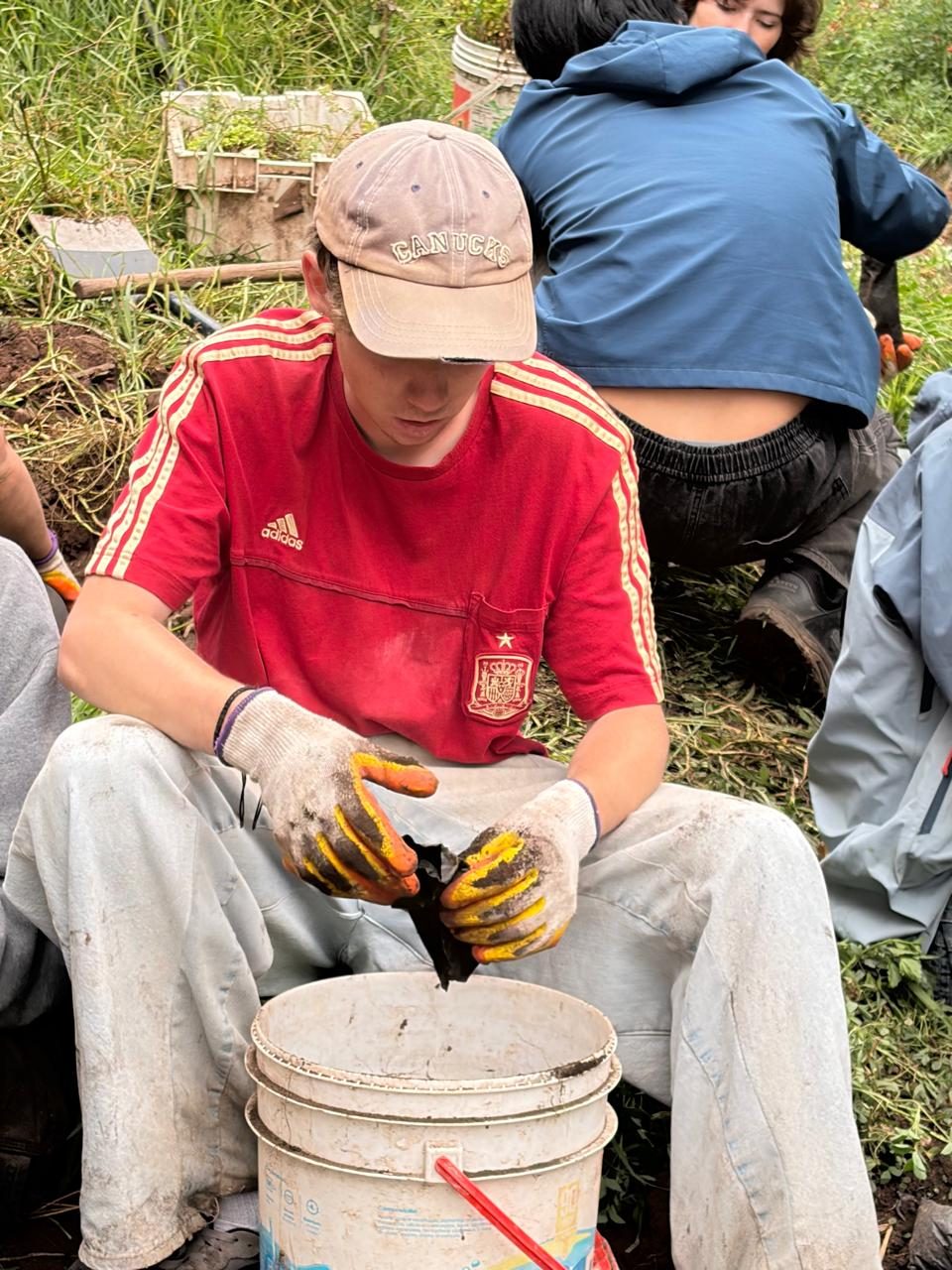
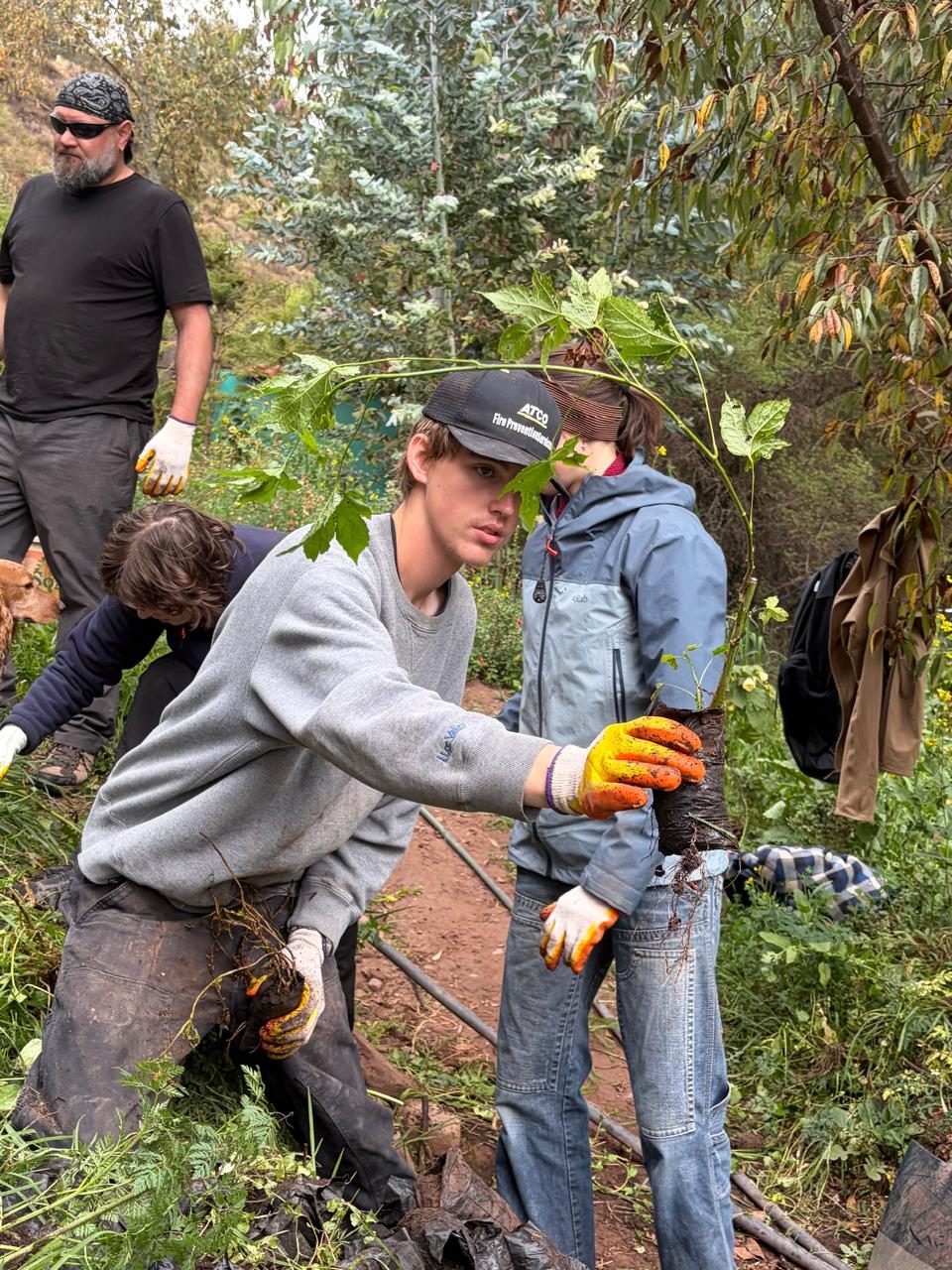
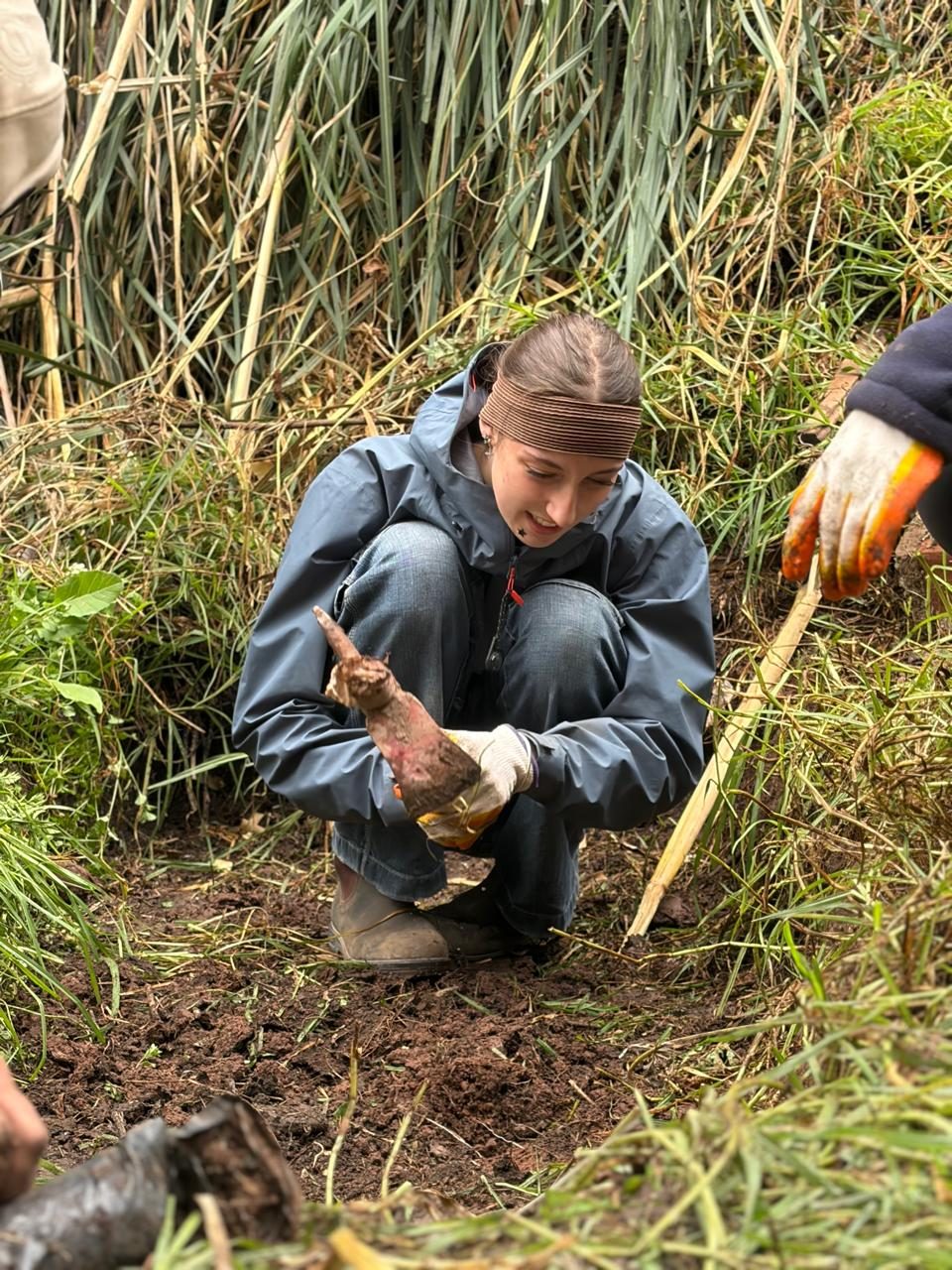
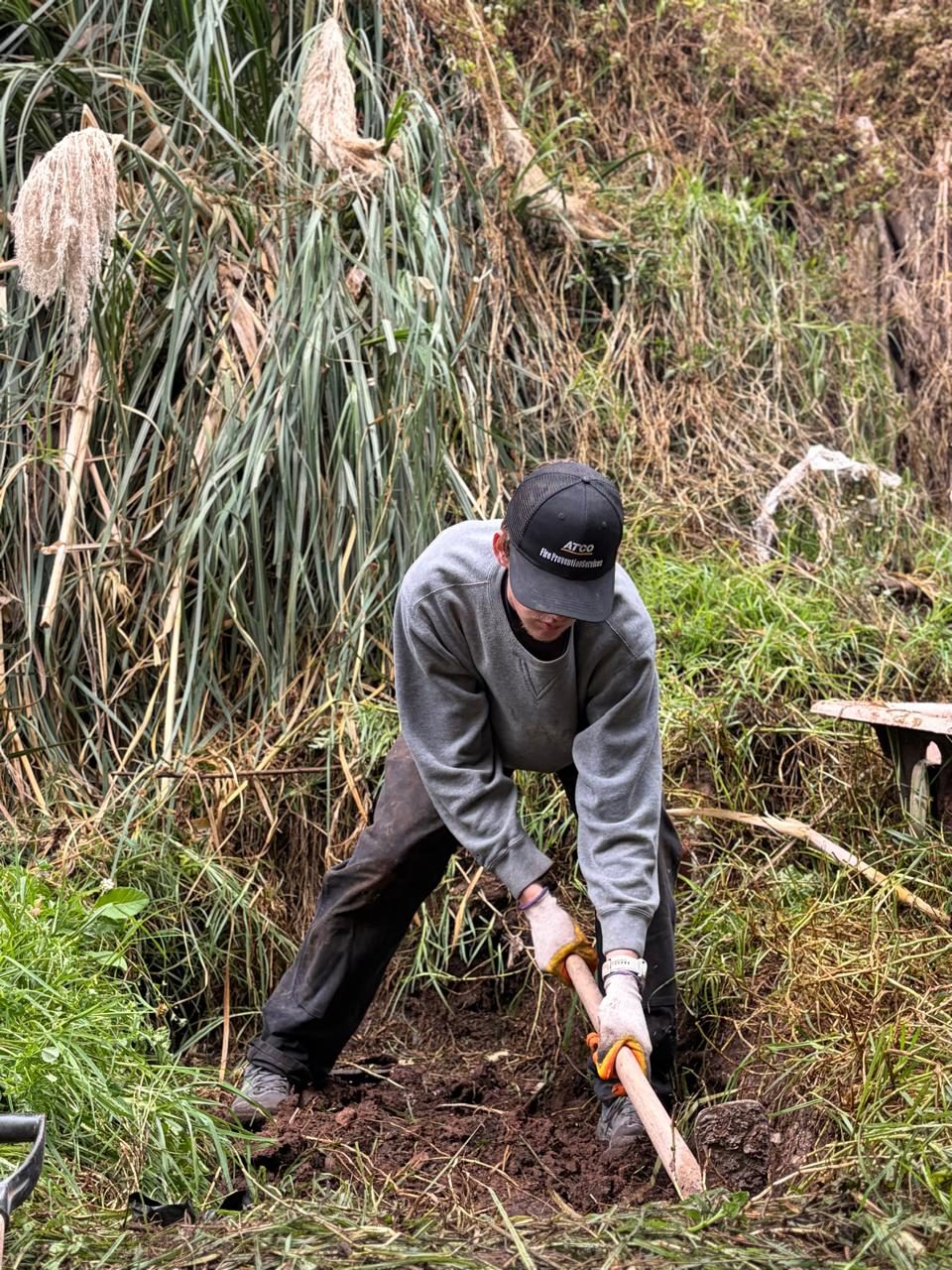
Later, the volunteers learned how the nursery works, gaining knowledge about the propagation of native species and the importance of having sufficient plant material to continue expanding the restored areas within the Wanakaure micro-watershed.
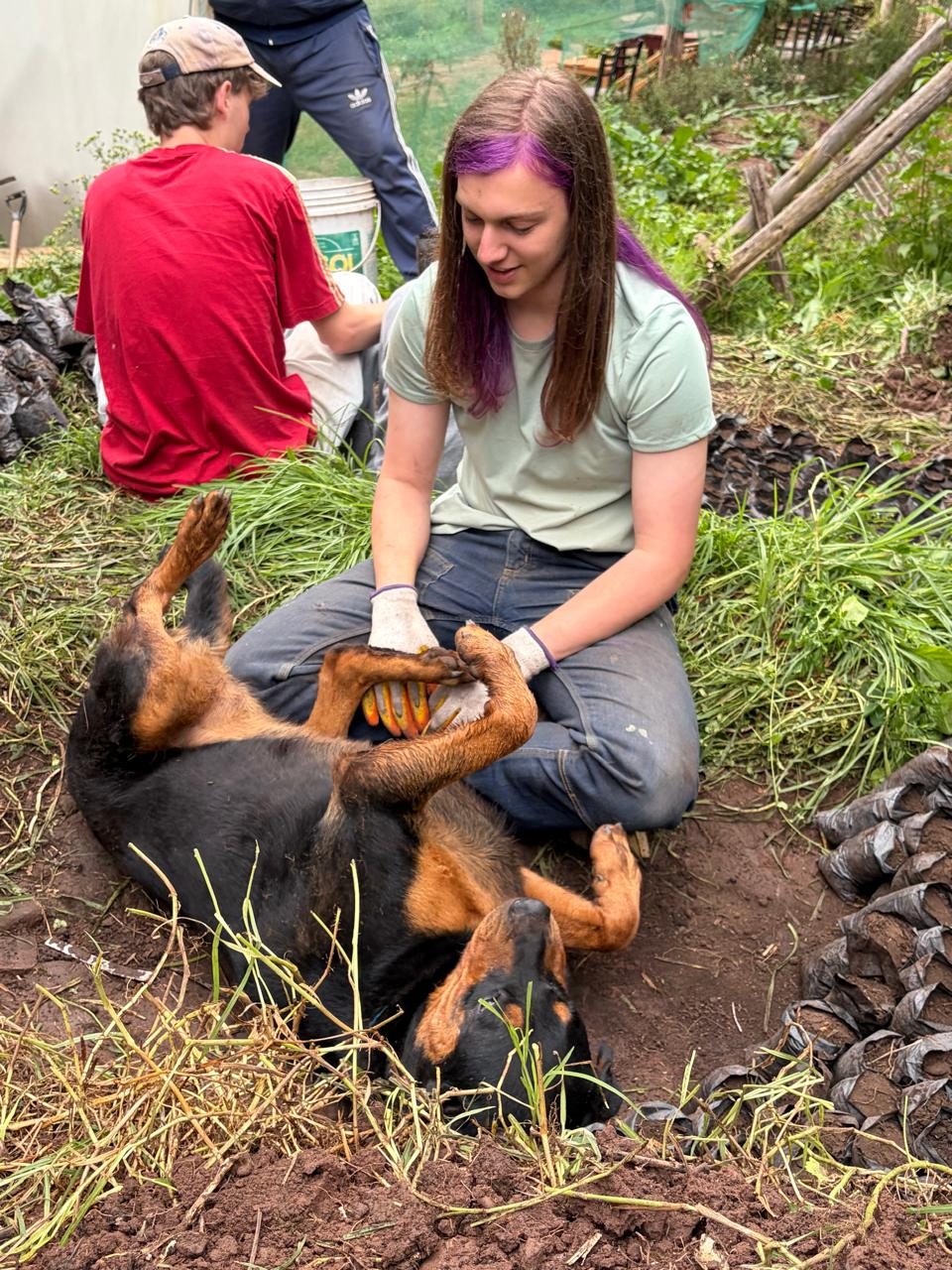
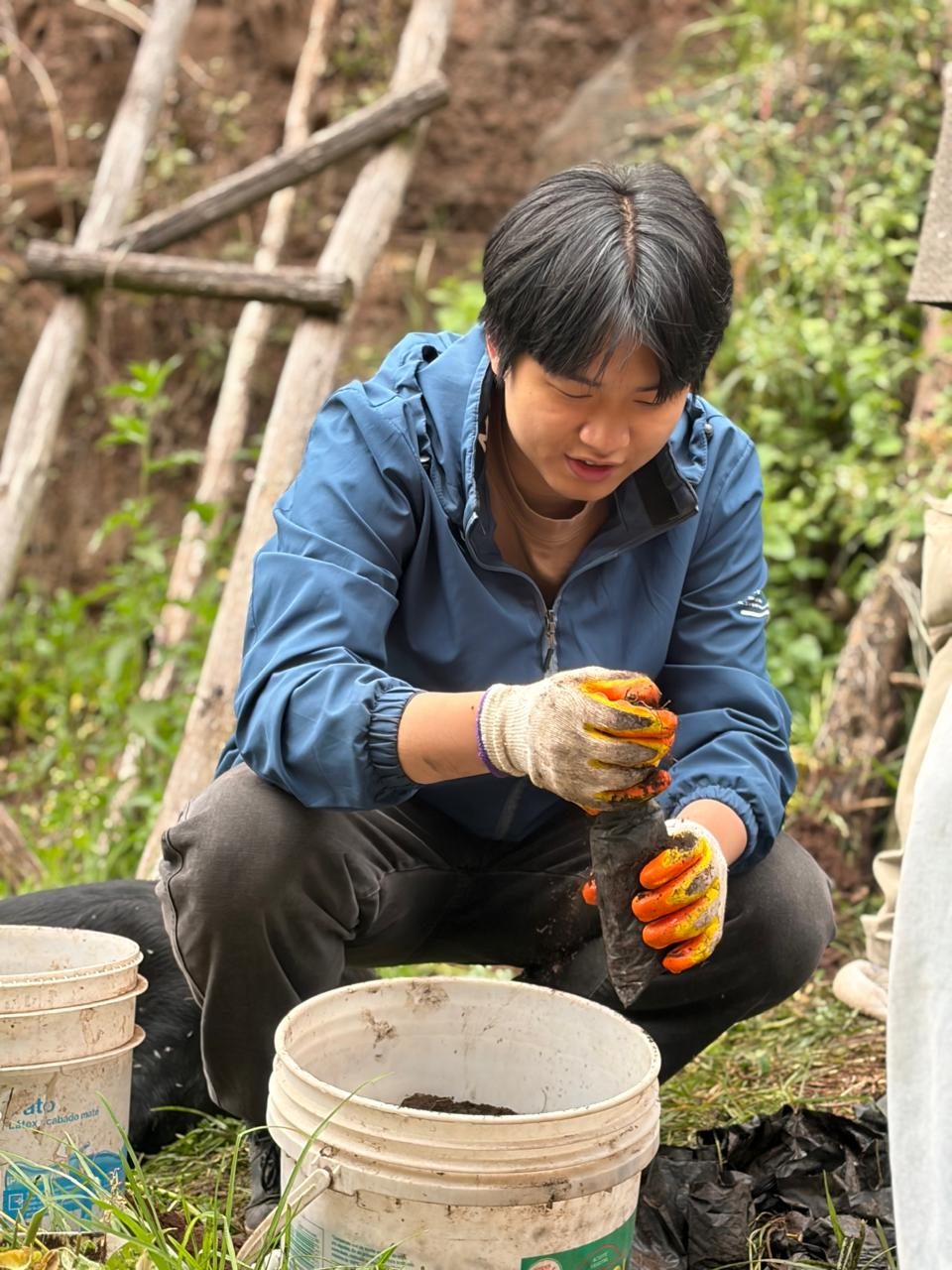
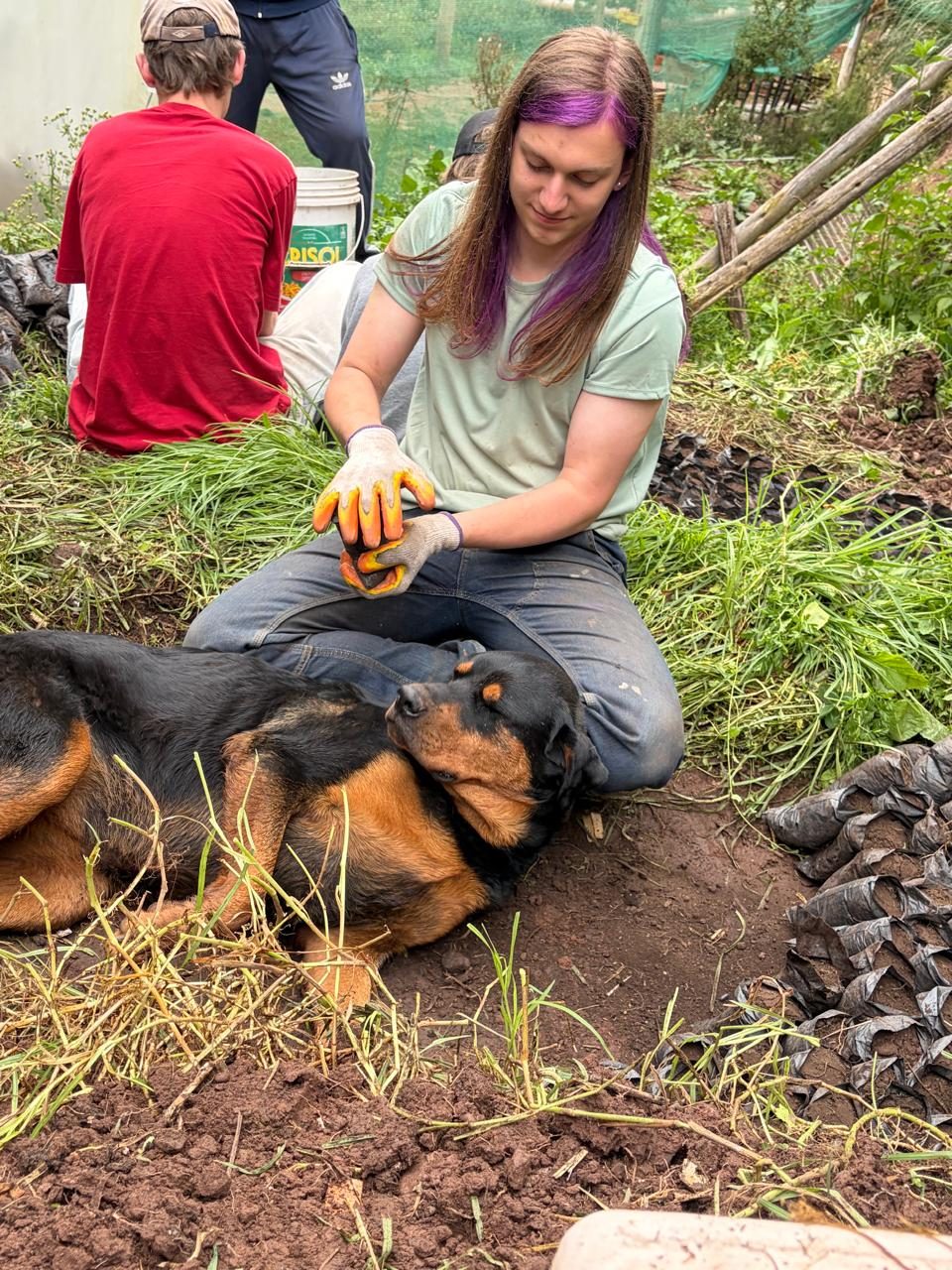
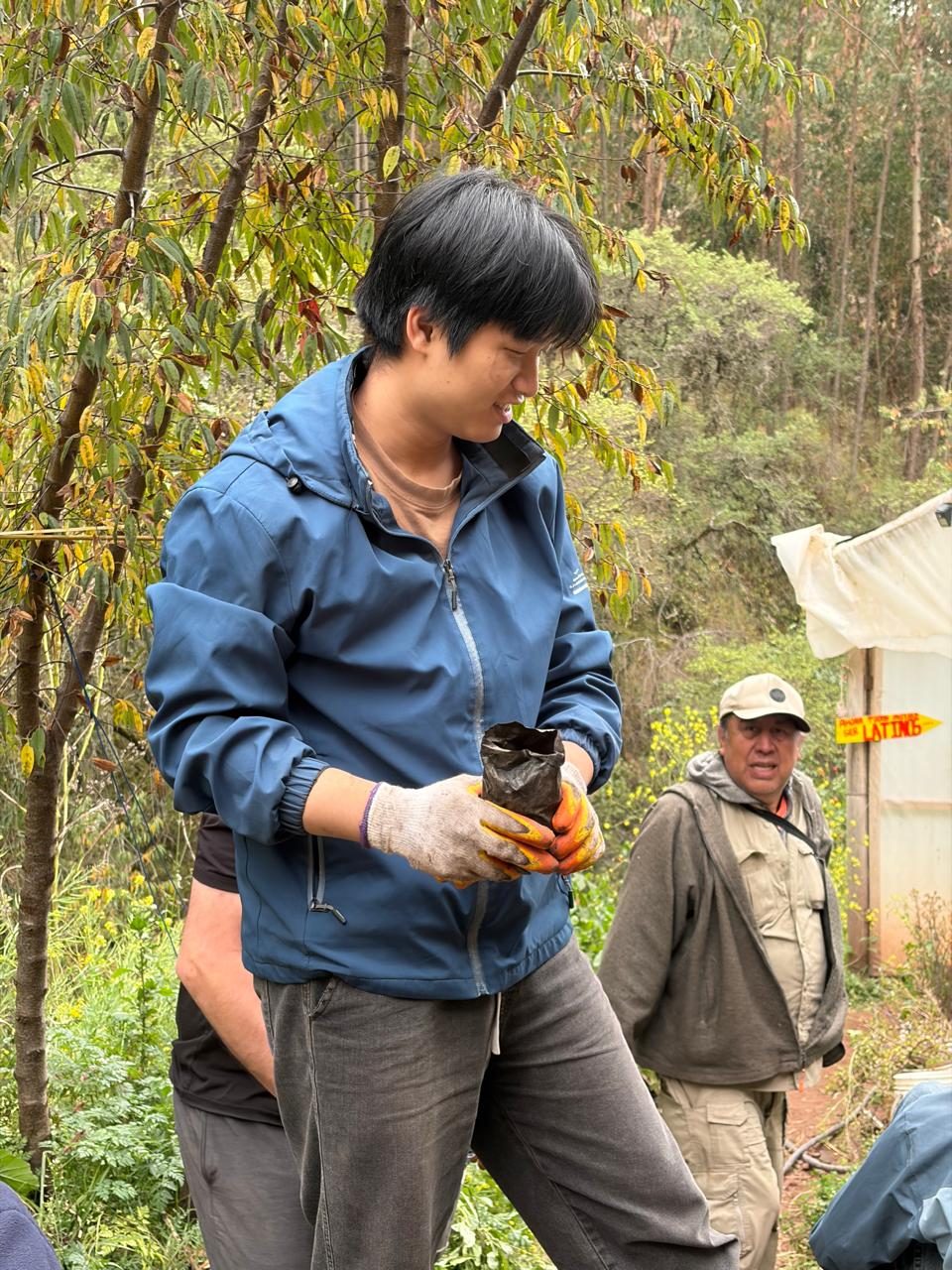
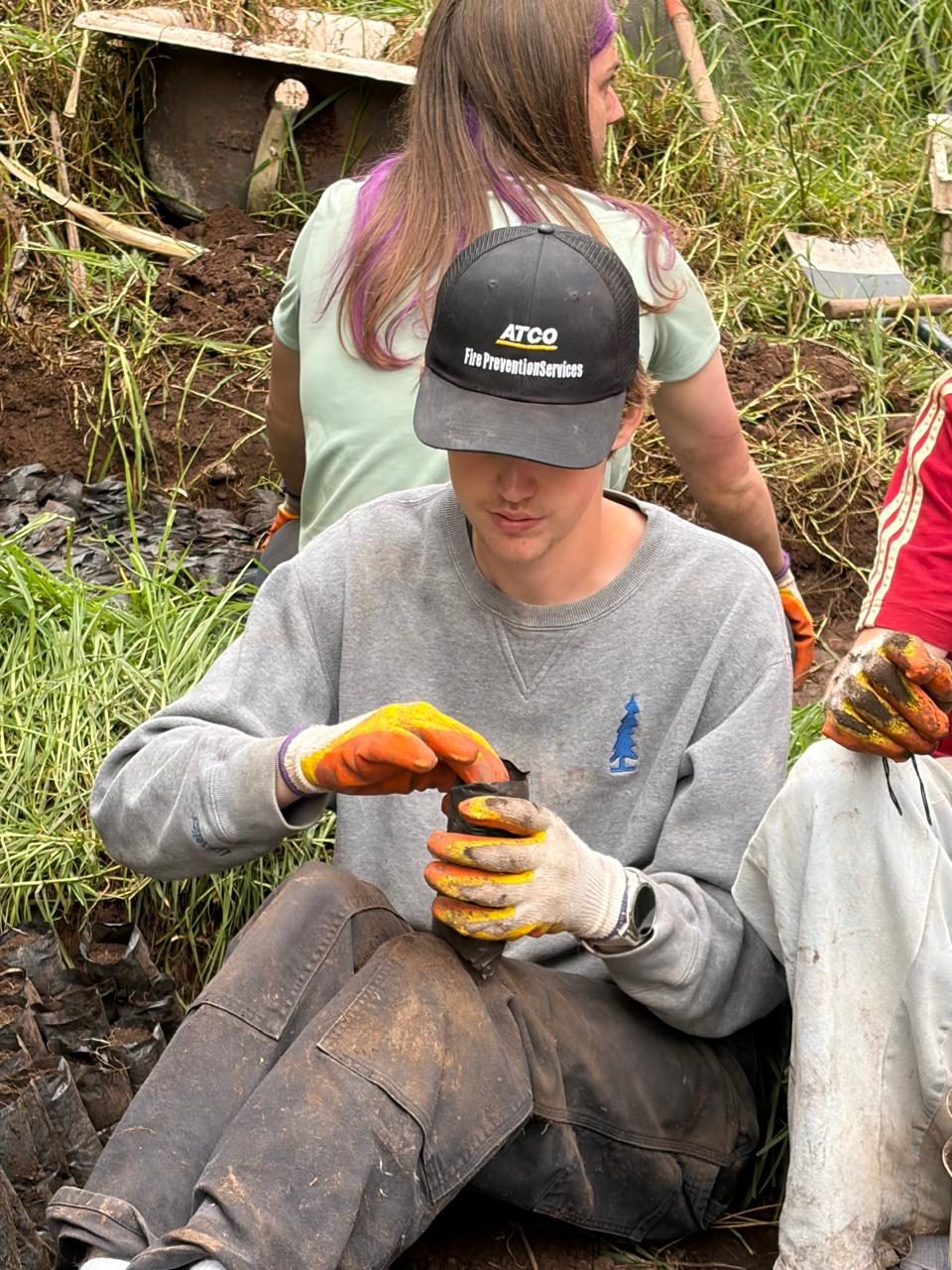
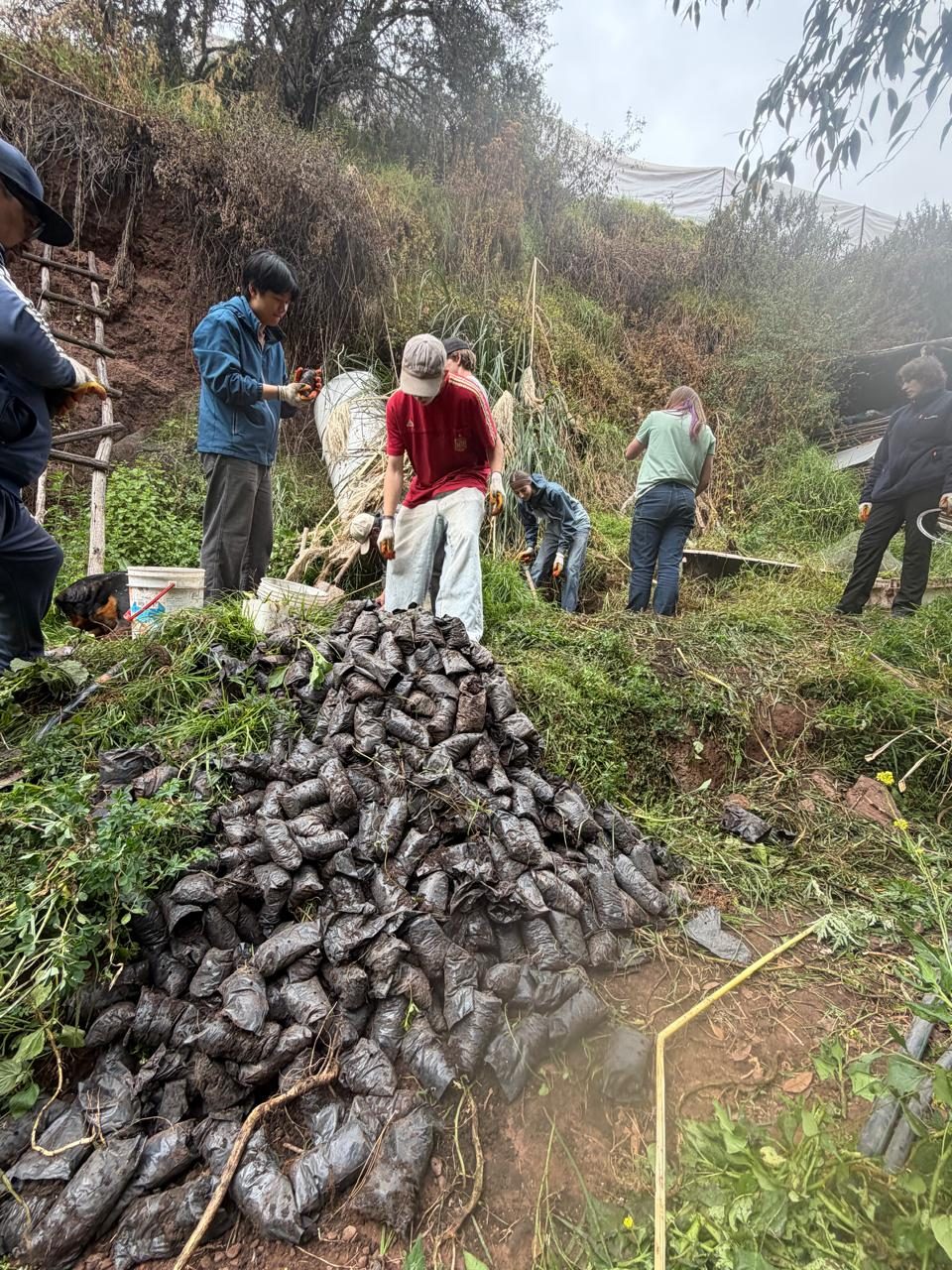
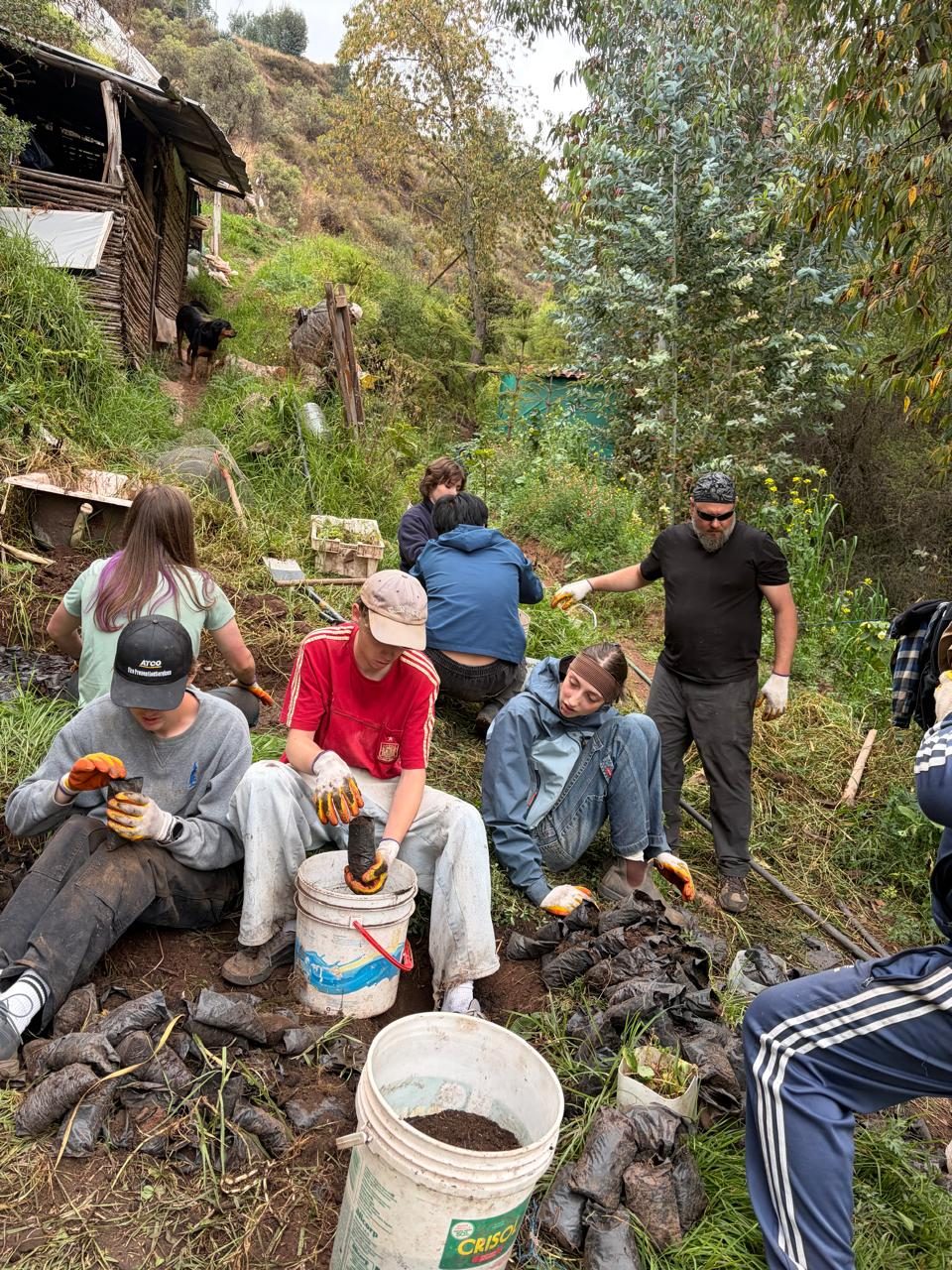
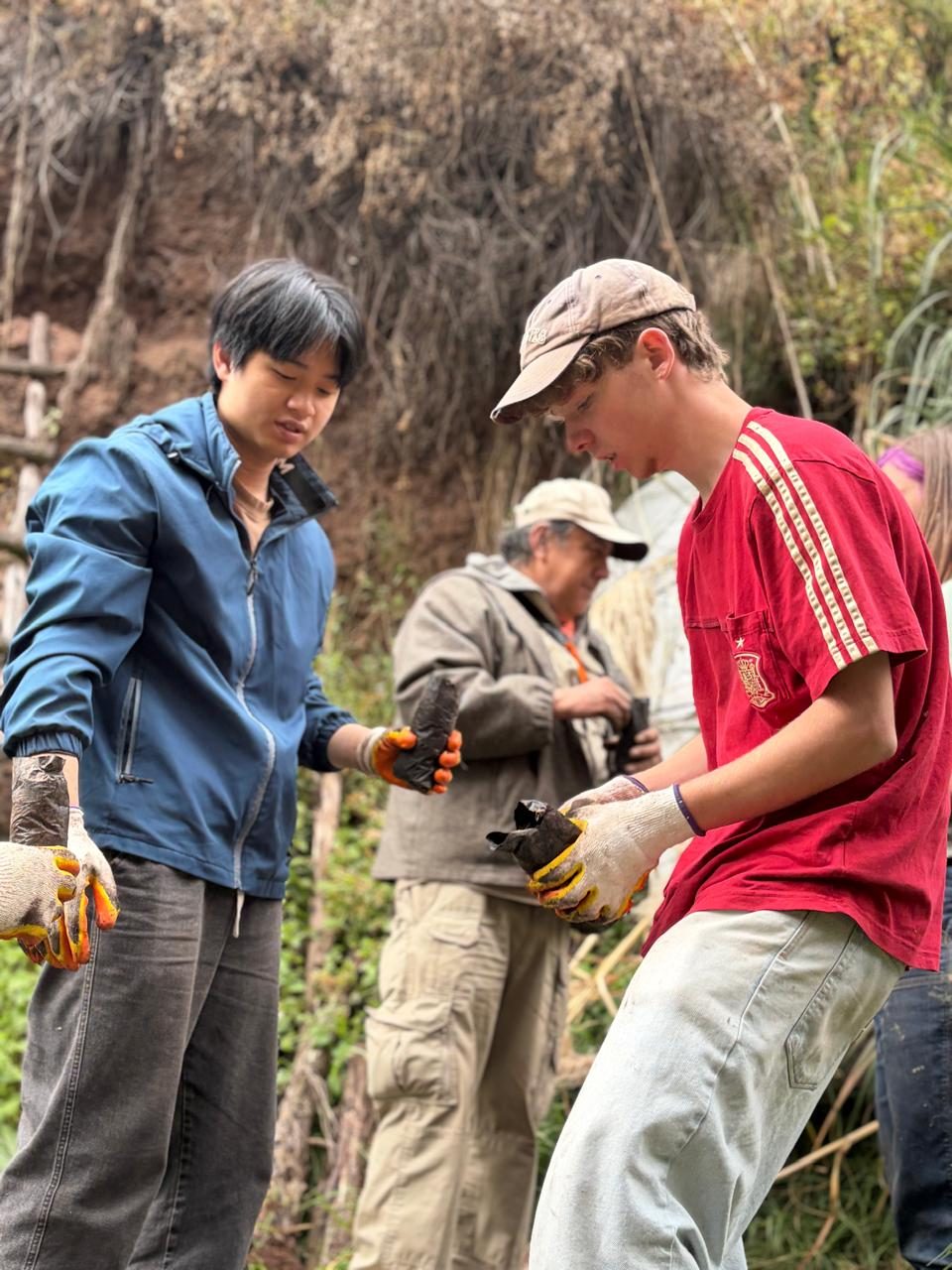
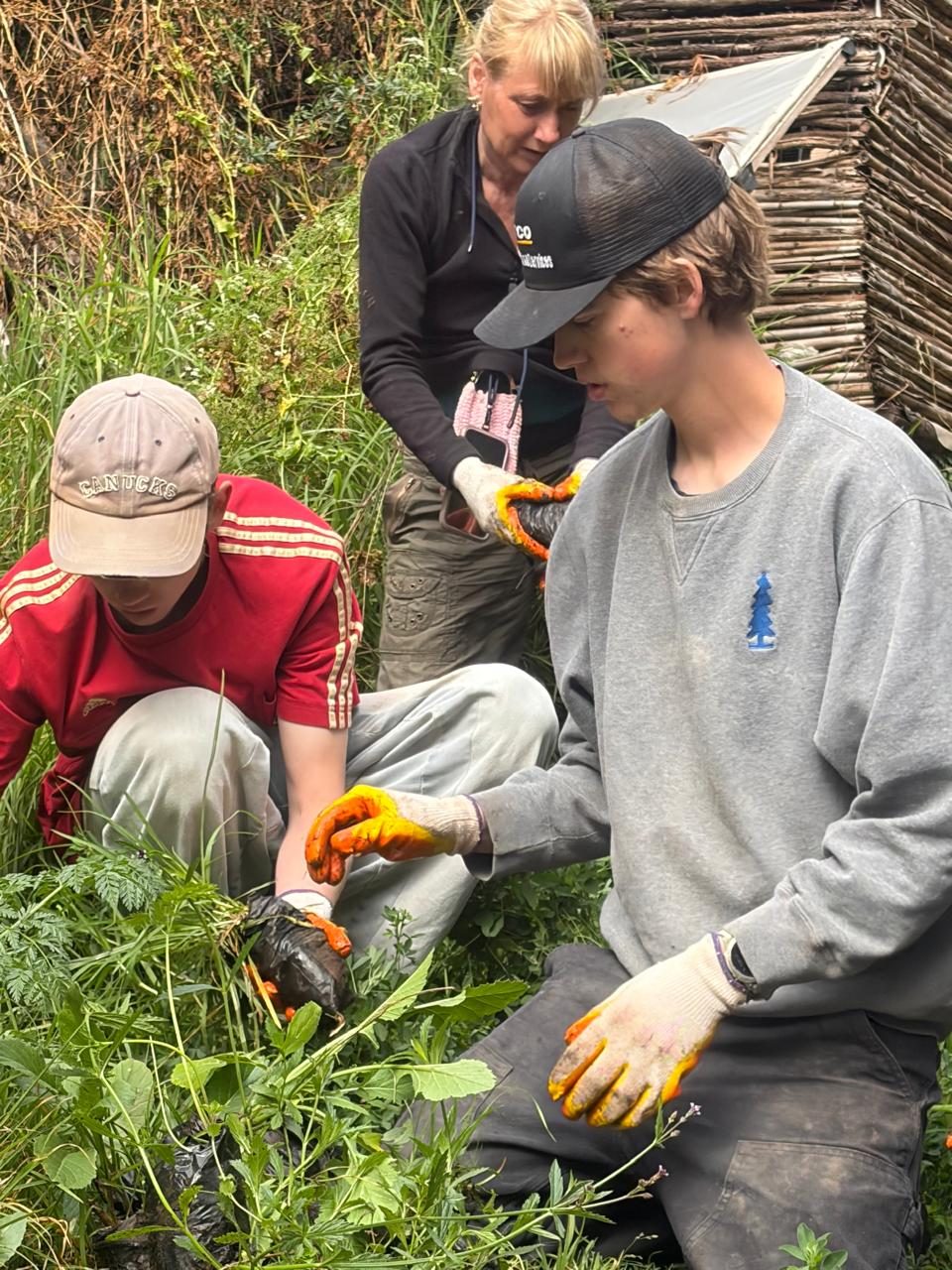
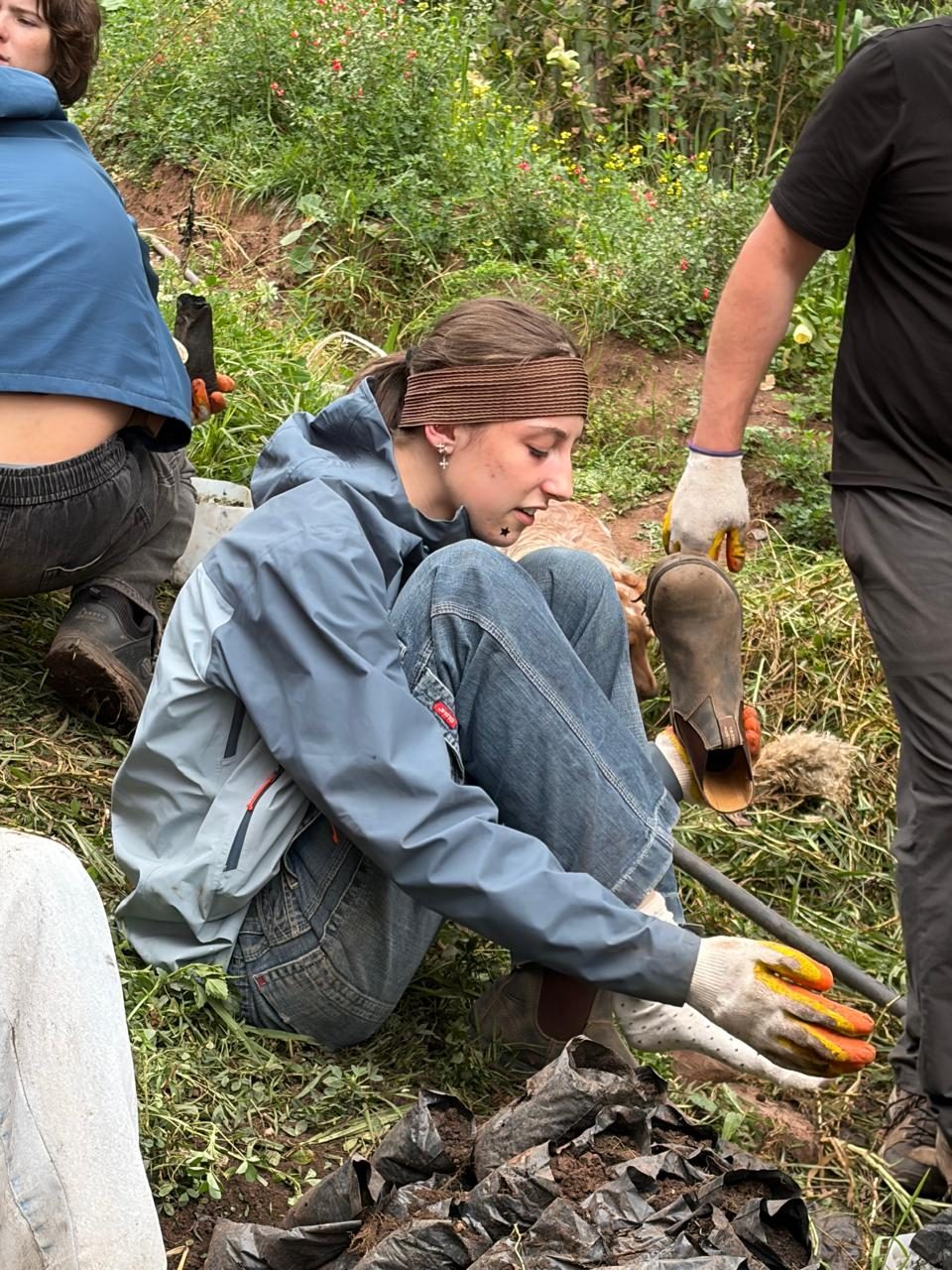
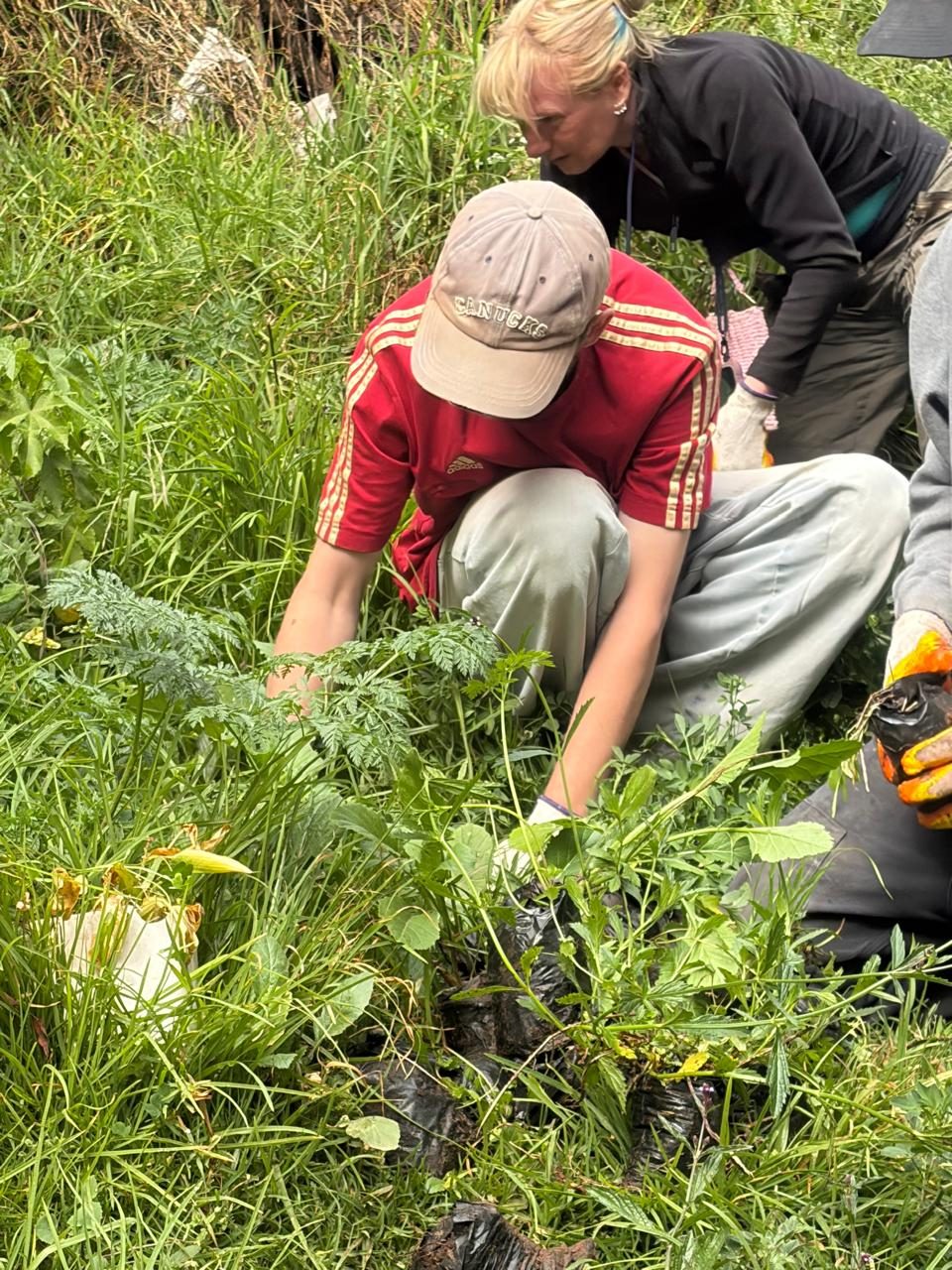
As part of this activity, the group successfully planted 600 cuttings in bags filled with soil, a highly important task to increase the production of new seedlings that will be used in future reforestation and Andean forest recovery campaigns.
Each cutting represents a new opportunity to generate more trees, more flowers for pollinators, and more habitat for the birds that live in the observatory. This work will significantly increase the number of plants available in the nursery and strengthen the restoration efforts that Pachacútec Andean Forest has been developing for several years.
For many participants, this experience helped them understand that the recovery of a forest begins long before planting in the field. It begins in the nursery, with the proper preparation of the substrate, the propagation of native species, and the constant care of each future seedling.
A SPECIAL THANK YOU TO VANCOUVER WALDORF SCHOOL
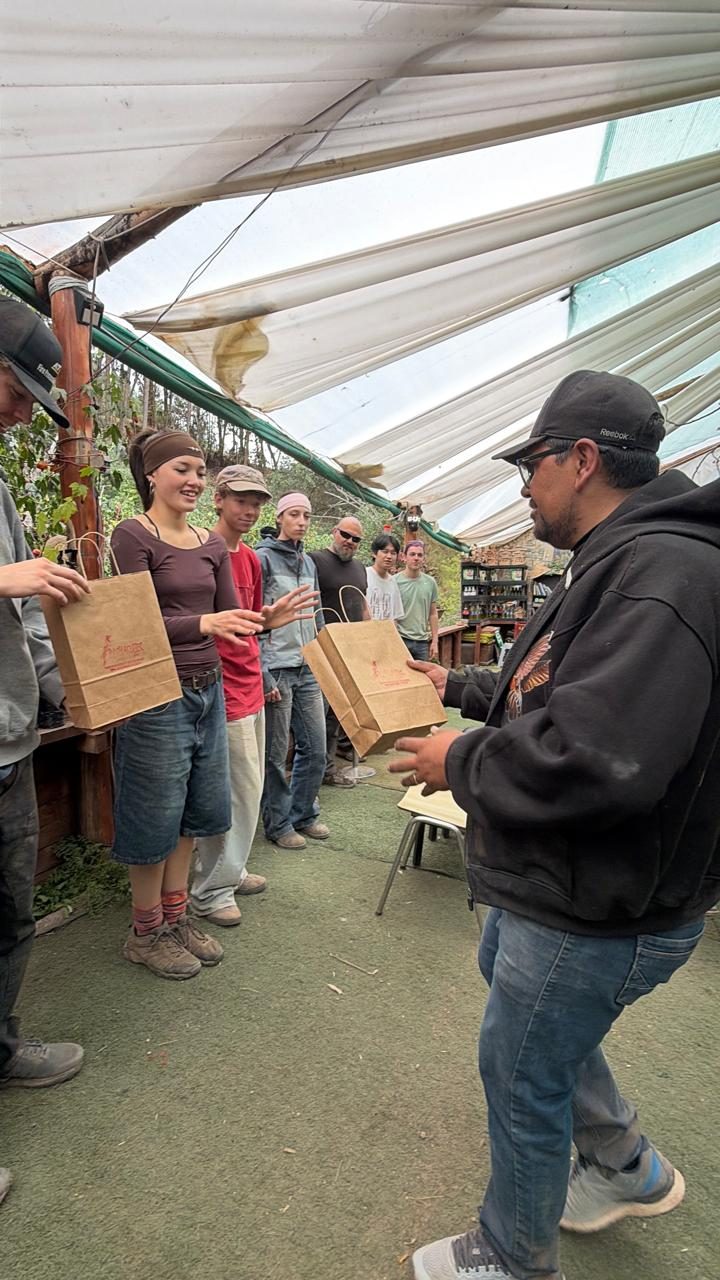
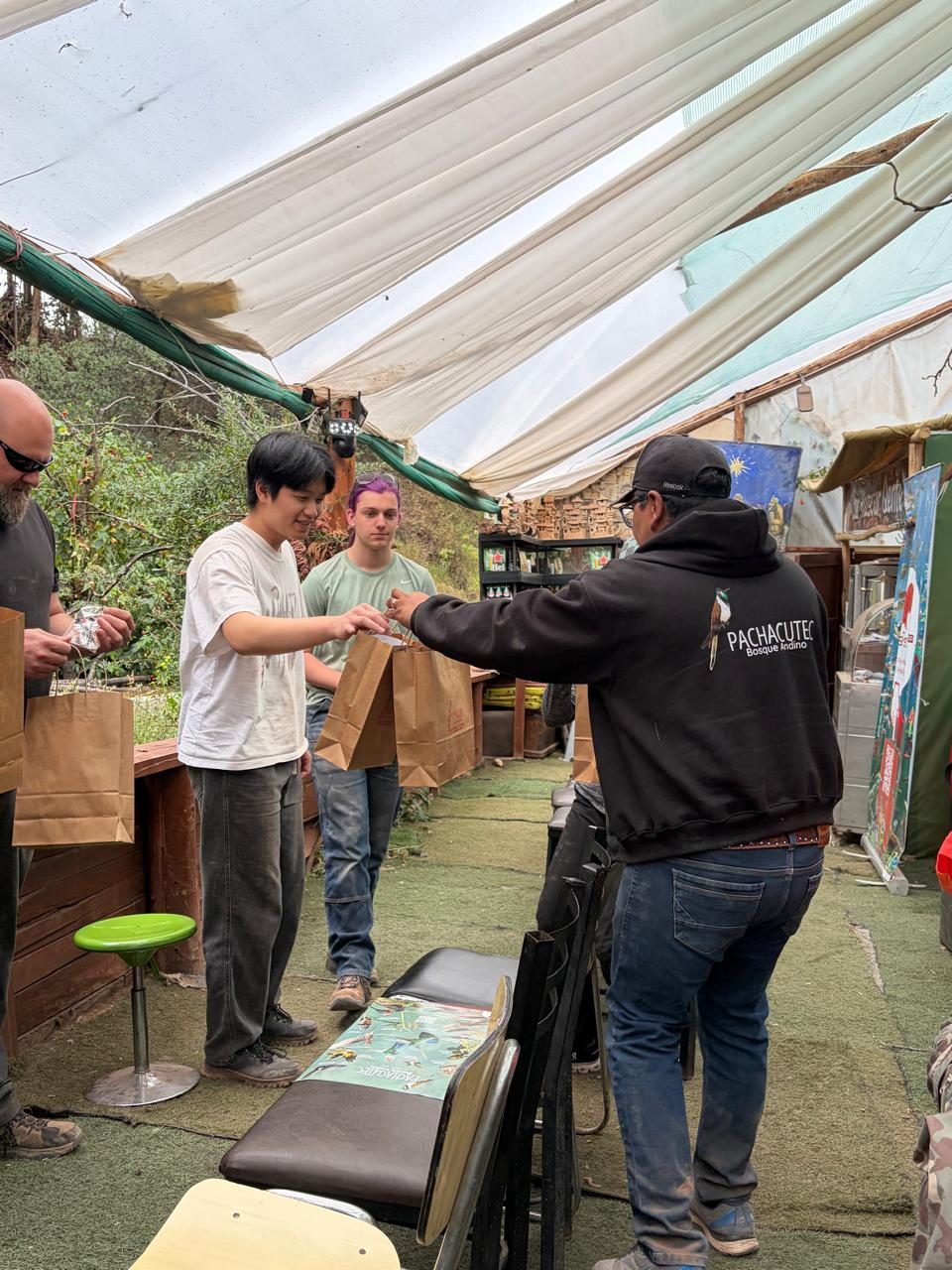
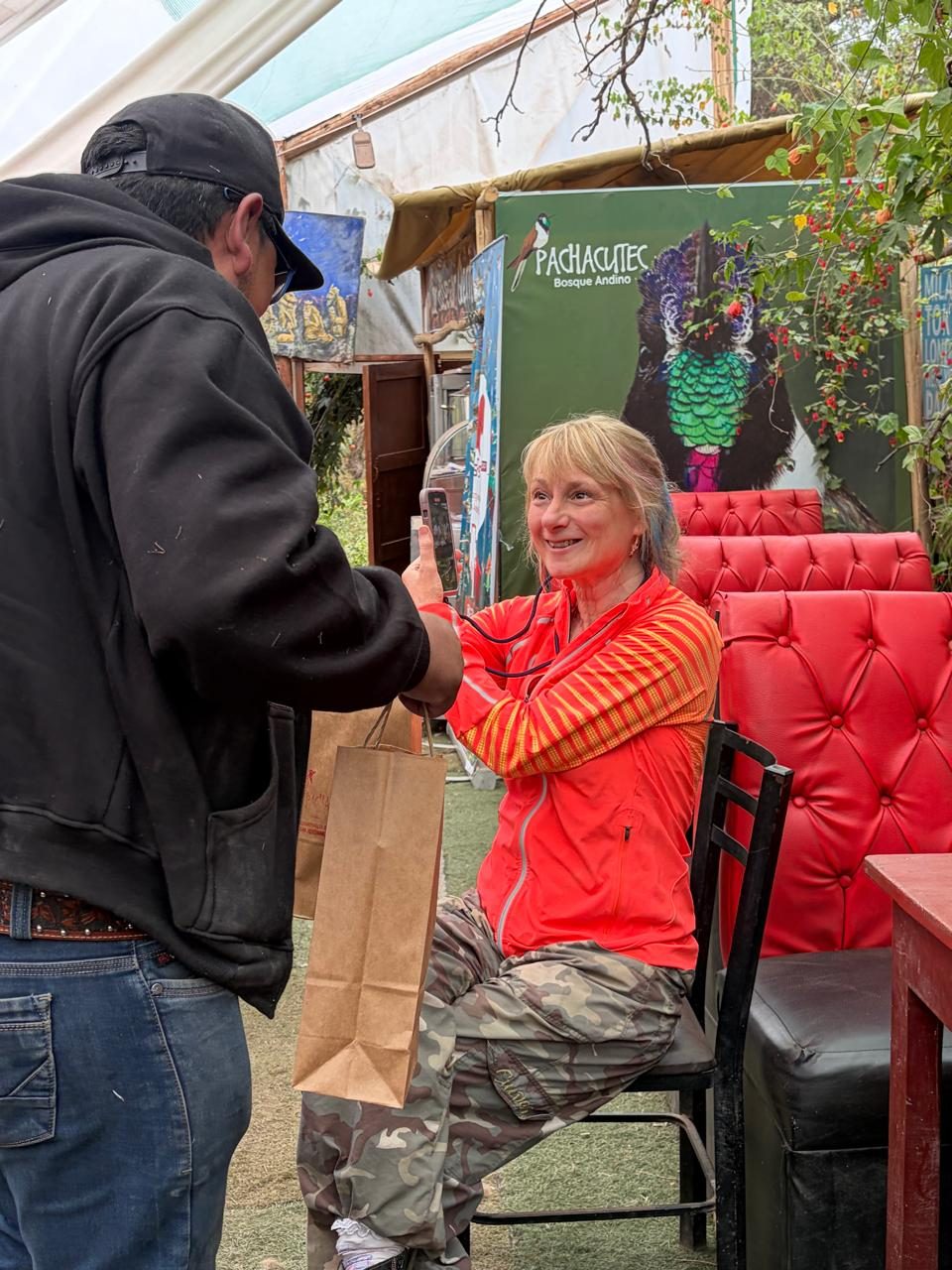
Pachacútec Andean Forest expresses its deepest gratitude to Vancouver Waldorf School for its visit, support, and commitment to environmental education.
The Waldorf educational philosophy promotes values that deeply align with our conservation vision: respect for nature, experiential learning, the holistic development of the individual, and responsibility toward the world we share.
The participation of its students demonstrates that education can go beyond the classroom and become a transformative experience that connects young people with the environmental challenges of the planet.
Every action carried out during these two days represents a concrete contribution to the restoration of Andean ecosystems. Moving stones to complete the retaining wall and planting 600 cuttings to produce new seedlings are clear examples of how volunteering can generate real and lasting impacts on the conservation of nature.
The training sessions on birds of the Andes, birds of Peru, ecology, the environment, conservation, and forest restoration complemented the practical activities with fundamental scientific knowledge. This combination of theory and action significantly strengthened the educational experience of the participants.
Because protecting biodiversity is not only a scientific task.
It is also an educational, cultural, and human task.
And when young people from different countries work together toward the same goal, hope for the future becomes much stronger.
BIBLIOGRAPHIC REFERENCES
Myers, N., Mittermeier, R., Mittermeier, C., Fonseca, G. & Kent, J. (2000). Biodiversity hotspots for conservation priorities. Nature, 403, 853–858.
Bruijnzeel, L. A., Scatena, F. N. & Hamilton, L. S. (2011). Tropical Montane Cloud Forests: Science for Conservation and Management. Cambridge University Press.
BirdLife International (2023). State of the World’s Birds. Cambridge, United Kingdom.
SER – Society for Ecological Restoration (2019). International Principles and Standards for the Practice of Ecological Restoration.
Young, K. R. & León, B. (2007). Tree-line changes along the Andes: implications for conservation. Mountain Research and Development, 27(4), 312–319.