SCHINUS MOLLE: THE ANDEAN TREE THAT PERFUMES THE MEMORY OF THE VALLEY
The Molle Tree, Anacardiaceae, and the Long Natural History of the Cusco Andes
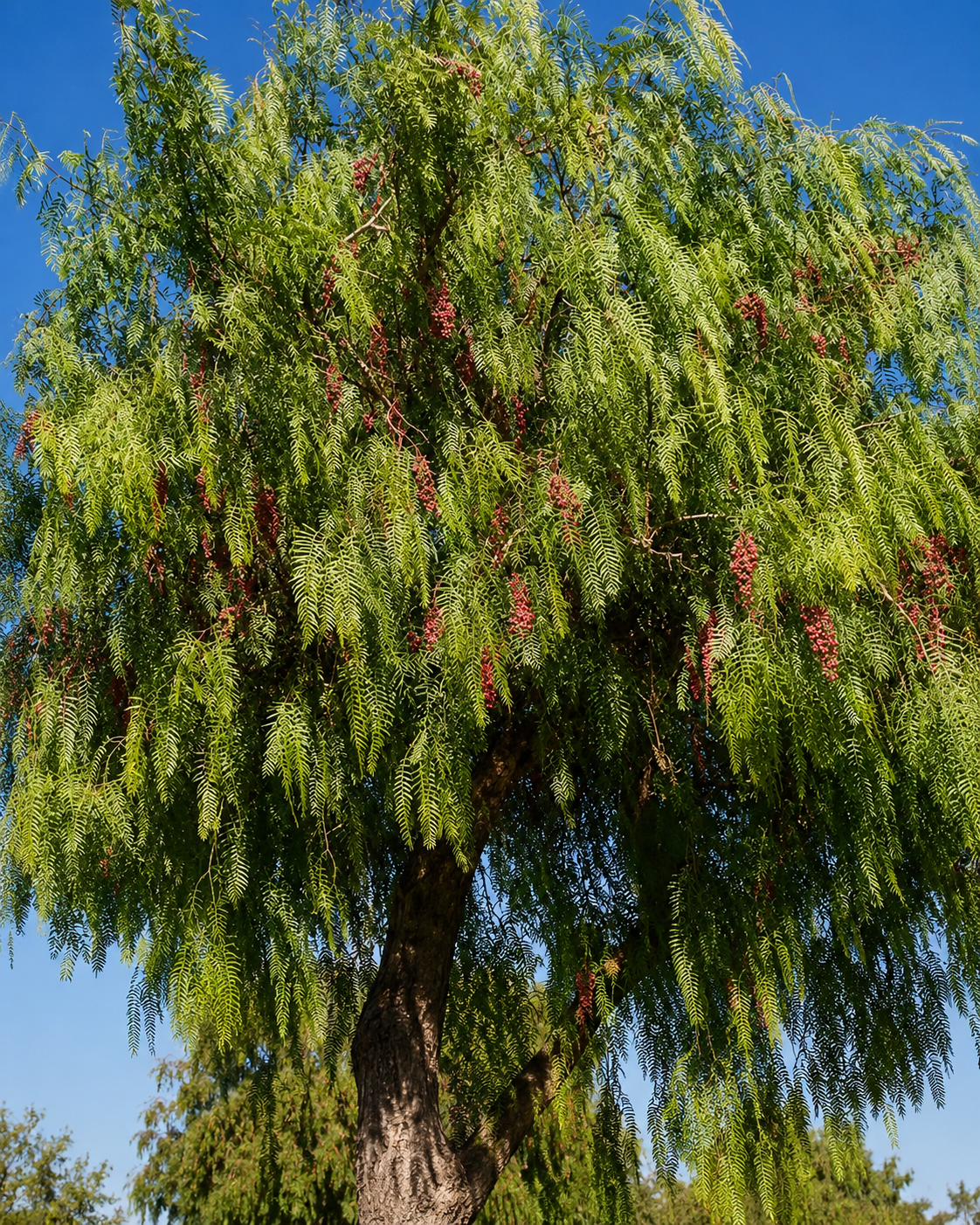
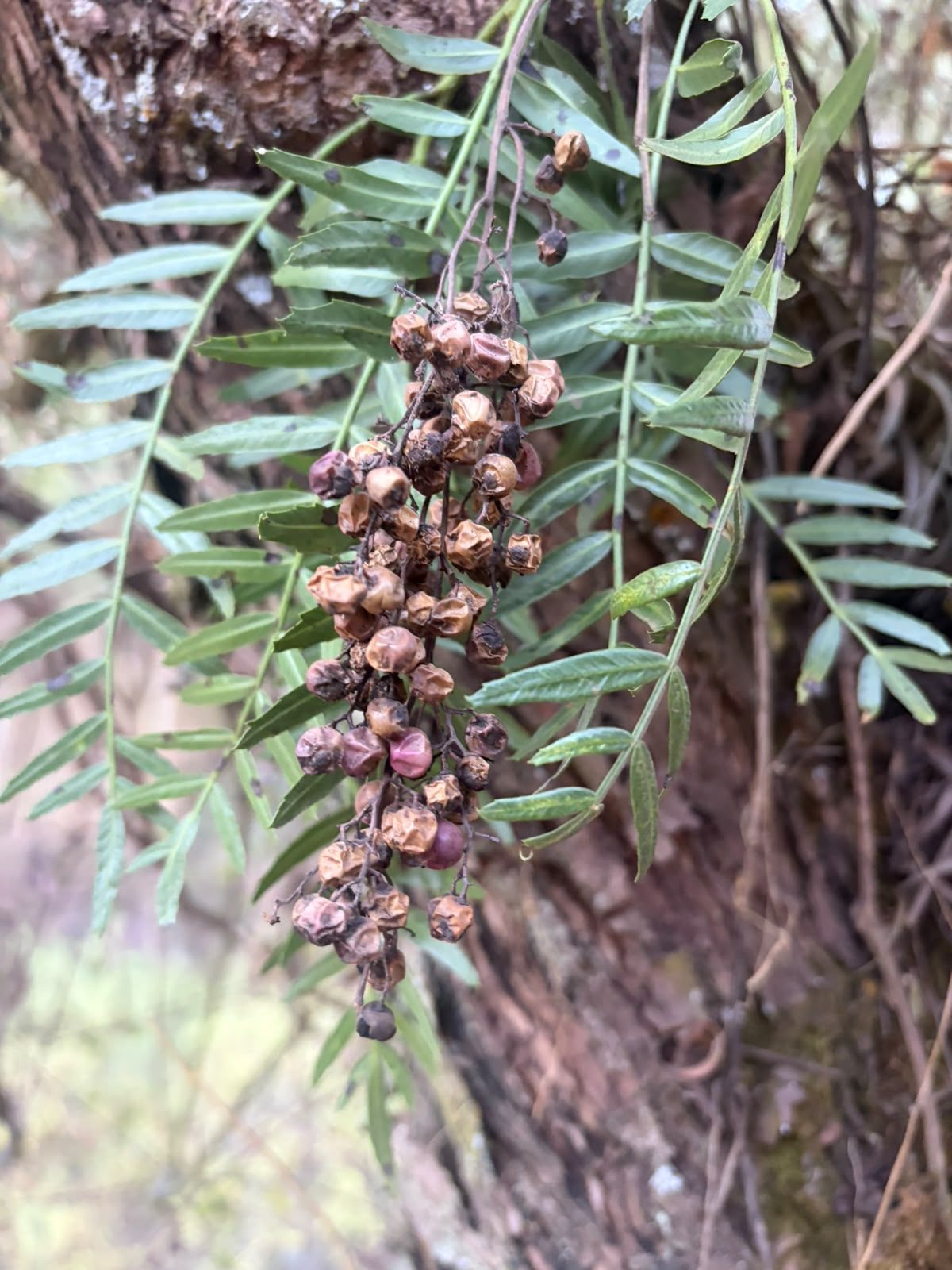
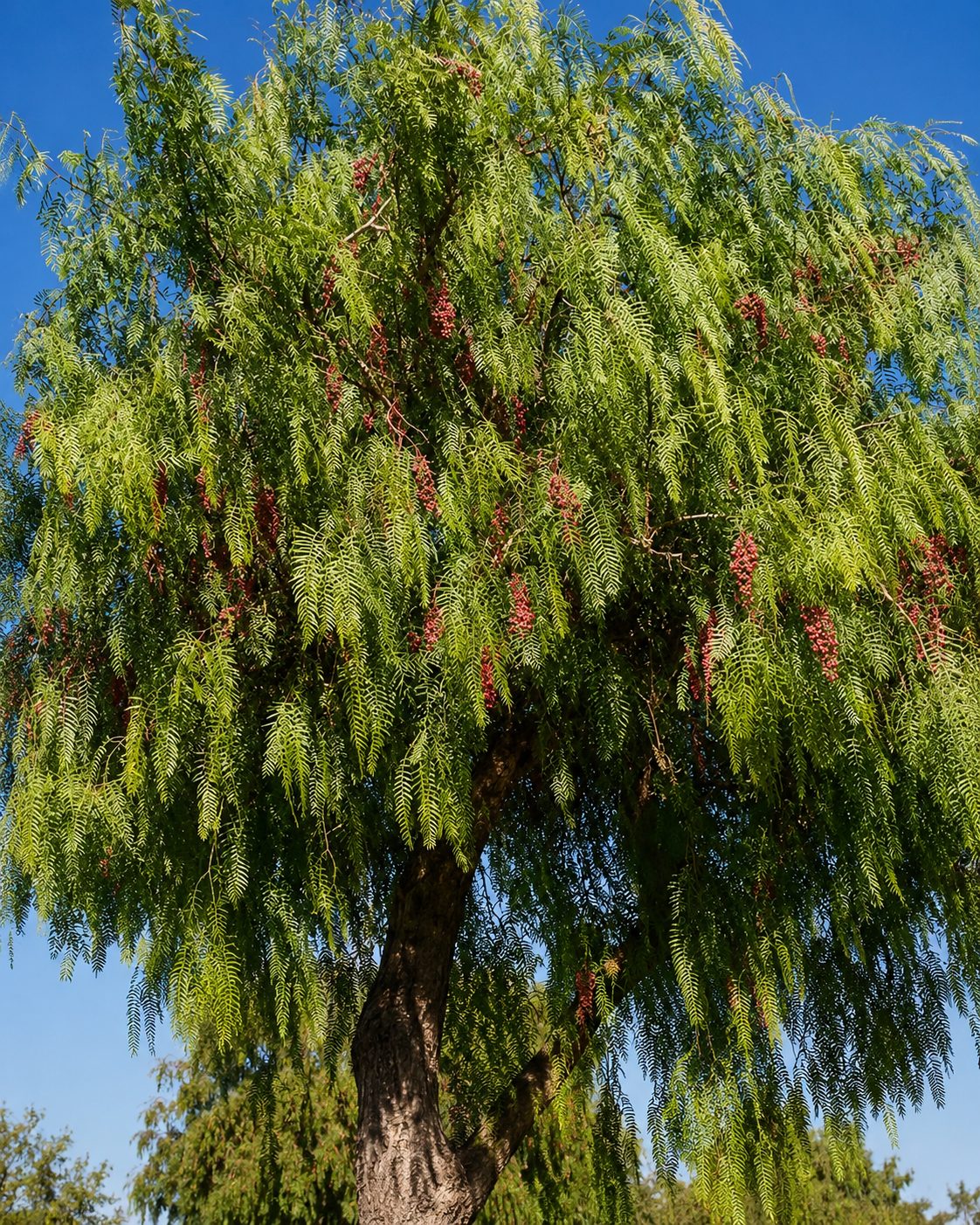
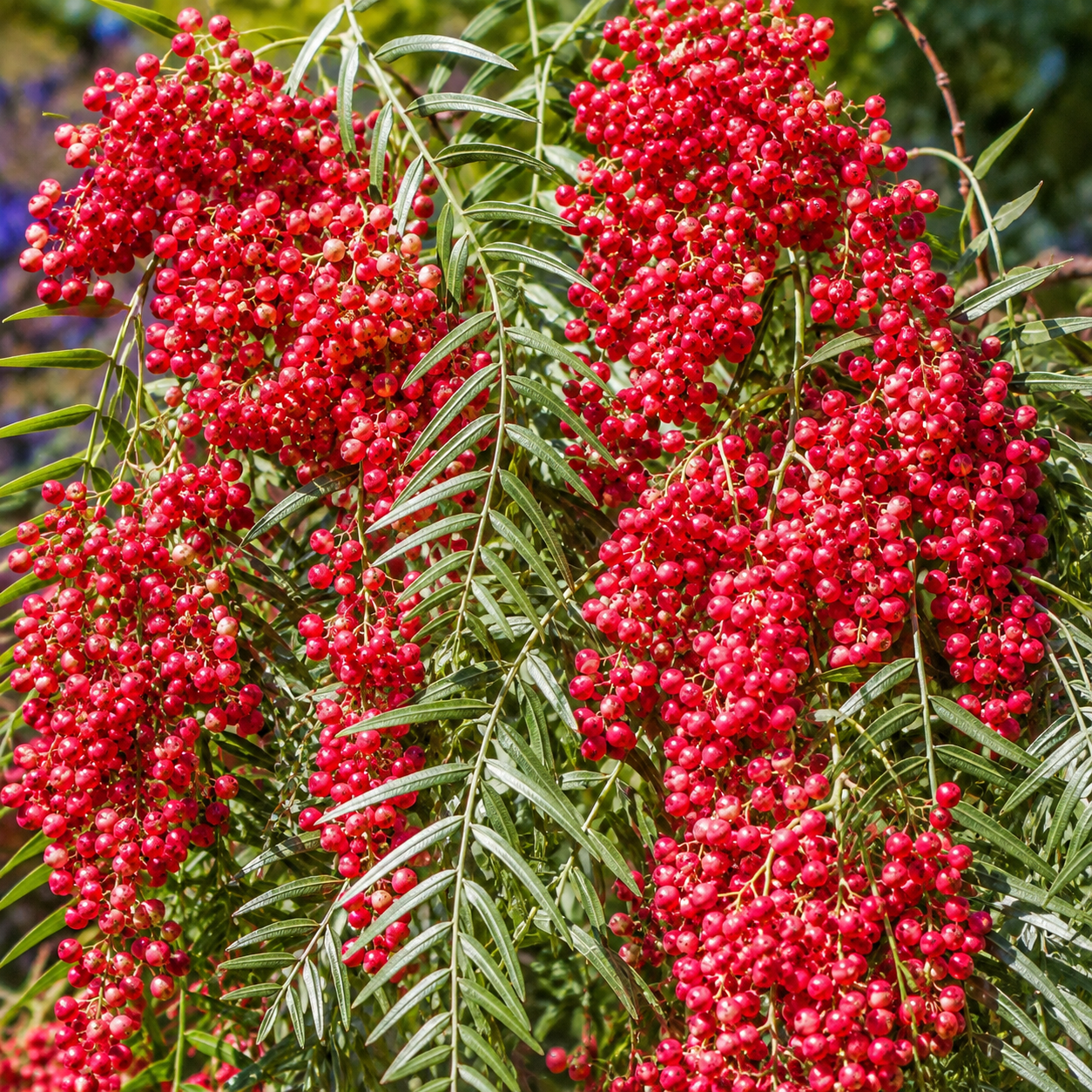
In the Andean valleys of Cusco, there are trees that do not need to impose themselves in order to dominate the memory of the landscape. They grow beside ancient roads, adobe walls, cultivated fields, irrigation channels, ravines, and villages. Their branches bend with elegance, their fine leaves move with the dry wind of the Andes, and their clusters of pink fruits resemble small beads from an ancient necklace. That tree is the molle, known scientifically as Schinus molle L., a species of the family Anacardiaceae.
At first glance, the molle may seem like a common tree. It can be seen in plazas, rural courtyards, living fences, and along roadsides. But behind that apparent familiarity lies one of the deepest species in Andean ecological and cultural history. It is a tree, medicine, shade, food for birds, agricultural memory, ethnobotanical resource, living boundary, religious symbol, aromatic plant, and witness to the relationship between human beings and nature in the Andes.
In the notes of researcher Mario Percy Núñez Vargas, the molle appears as a key tree of the Andean valleys of Cusco, associated with longevity, culture, birds, living fences, traditional uses, spicy seeds, and a history that is still insufficiently studied. According to this field perspective, Cusco may host several species of the genus Schinus, including Schinus areira, Schinus microphyllus, Schinus molle, Schinus pearcei, and Schinus terebinthifolius, although this list requires detailed taxonomic verification with specialized herbaria such as CUZ, MO, F, and scientific botanical databases.
Modern science confirms that Schinus molle is a species native to South America, widely associated with Andean regions and now also distributed in many tropical, subtropical, and temperate areas of the world due to its ornamental, medicinal, and cultural value. However, in the Andes it is not simply a tree introduced into the human landscape: it is part of an ancient history of coexistence.
A TREE THAT UNITES BOTANY AND CULTURE
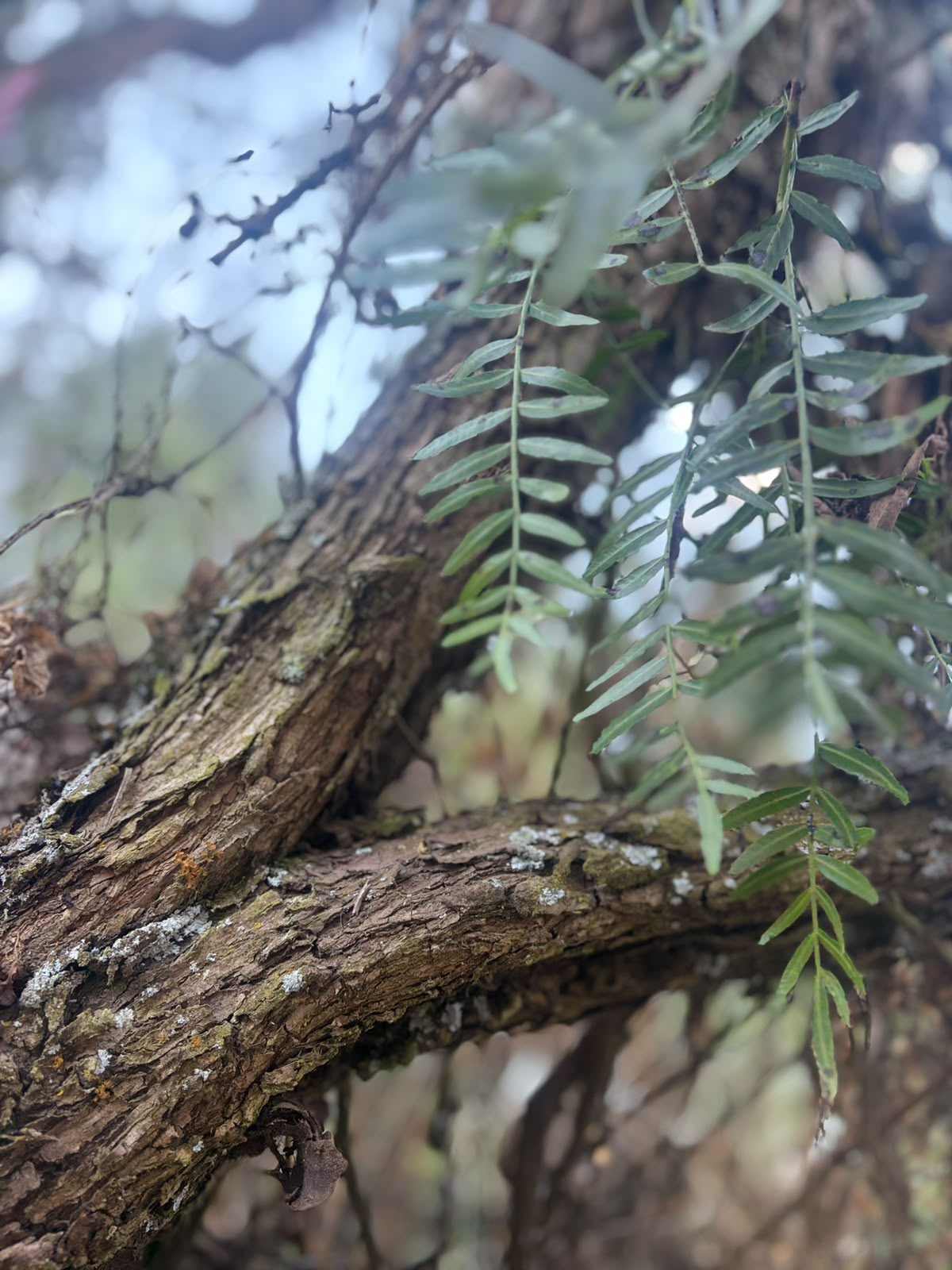
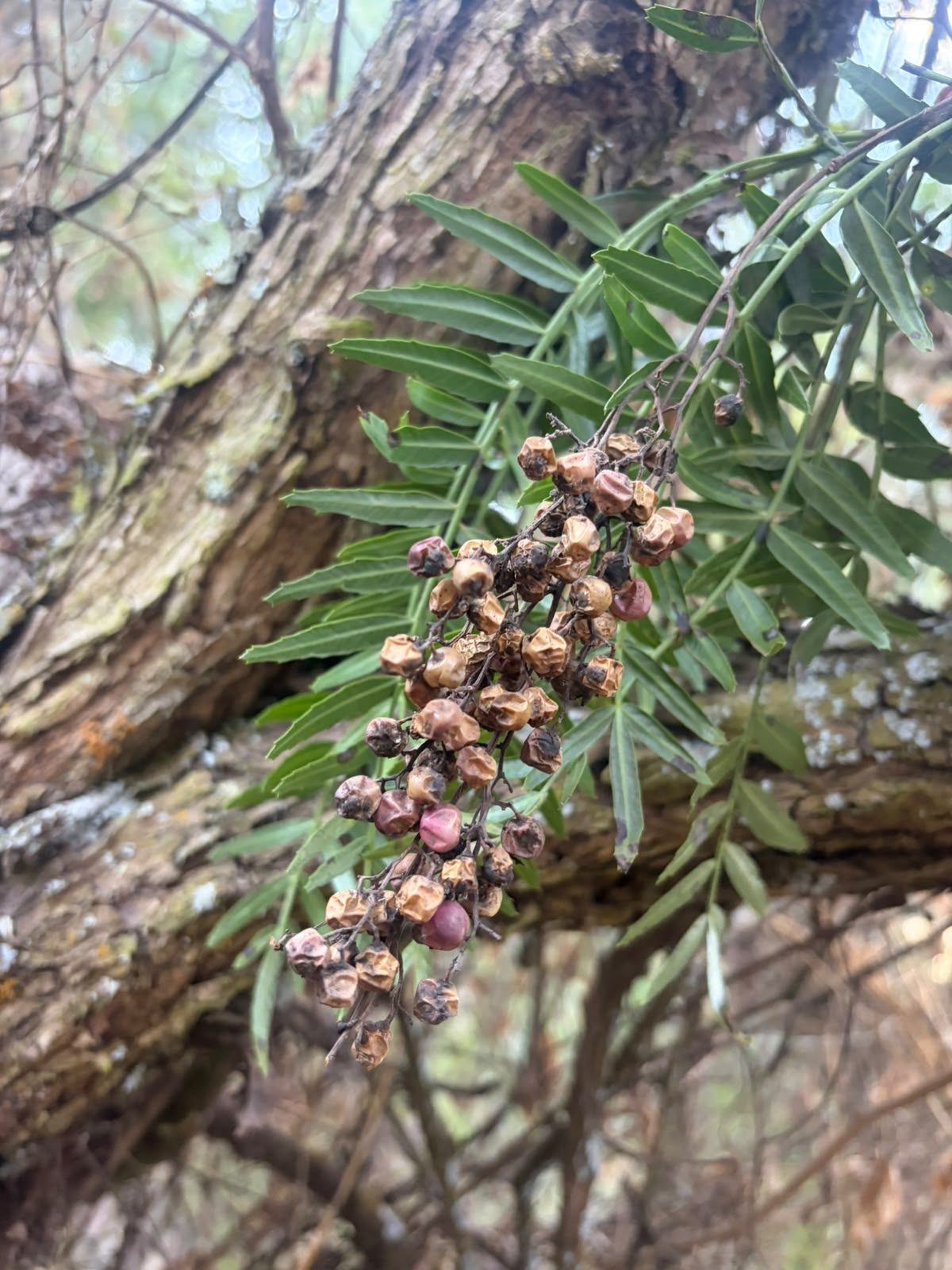
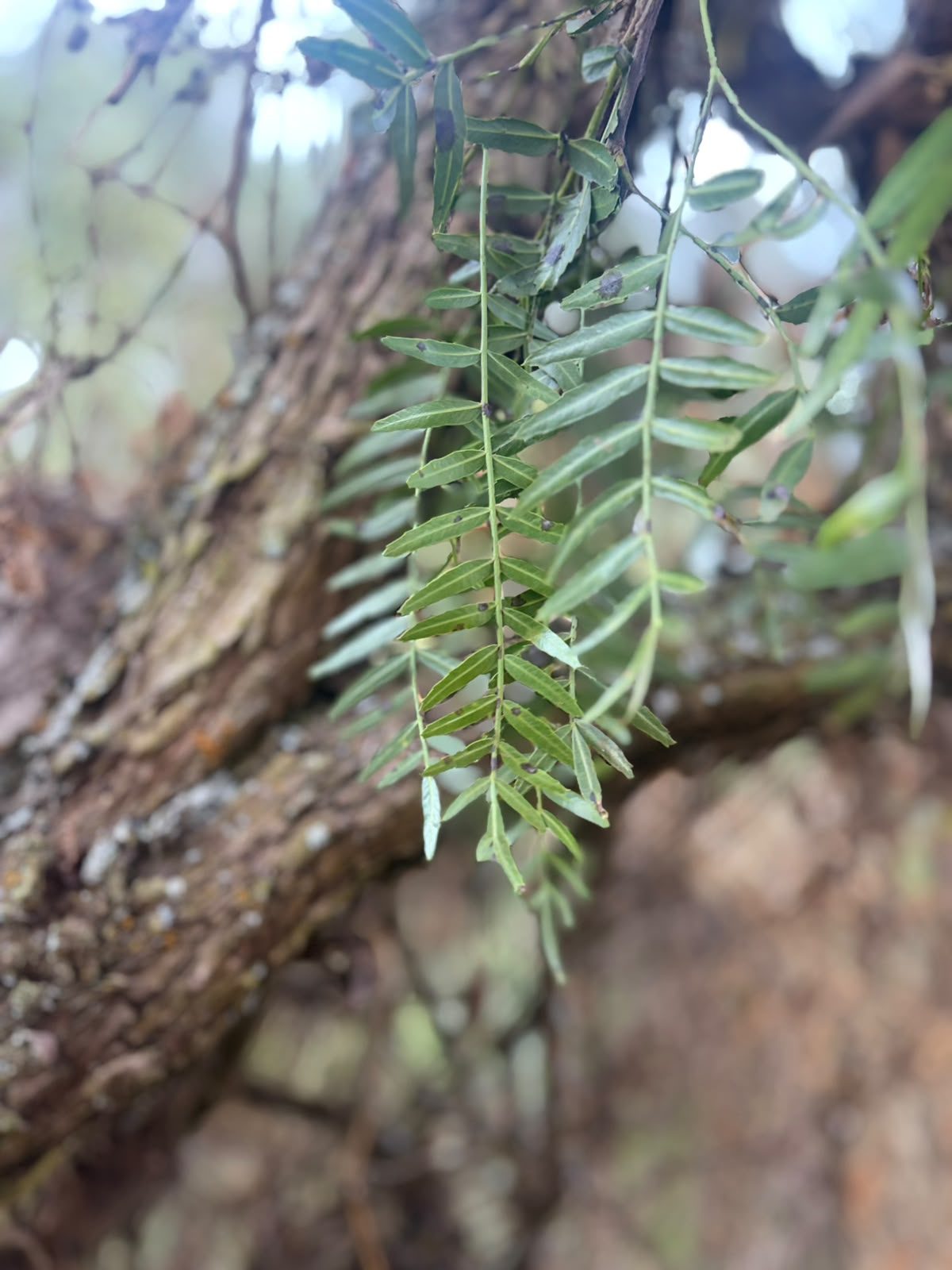
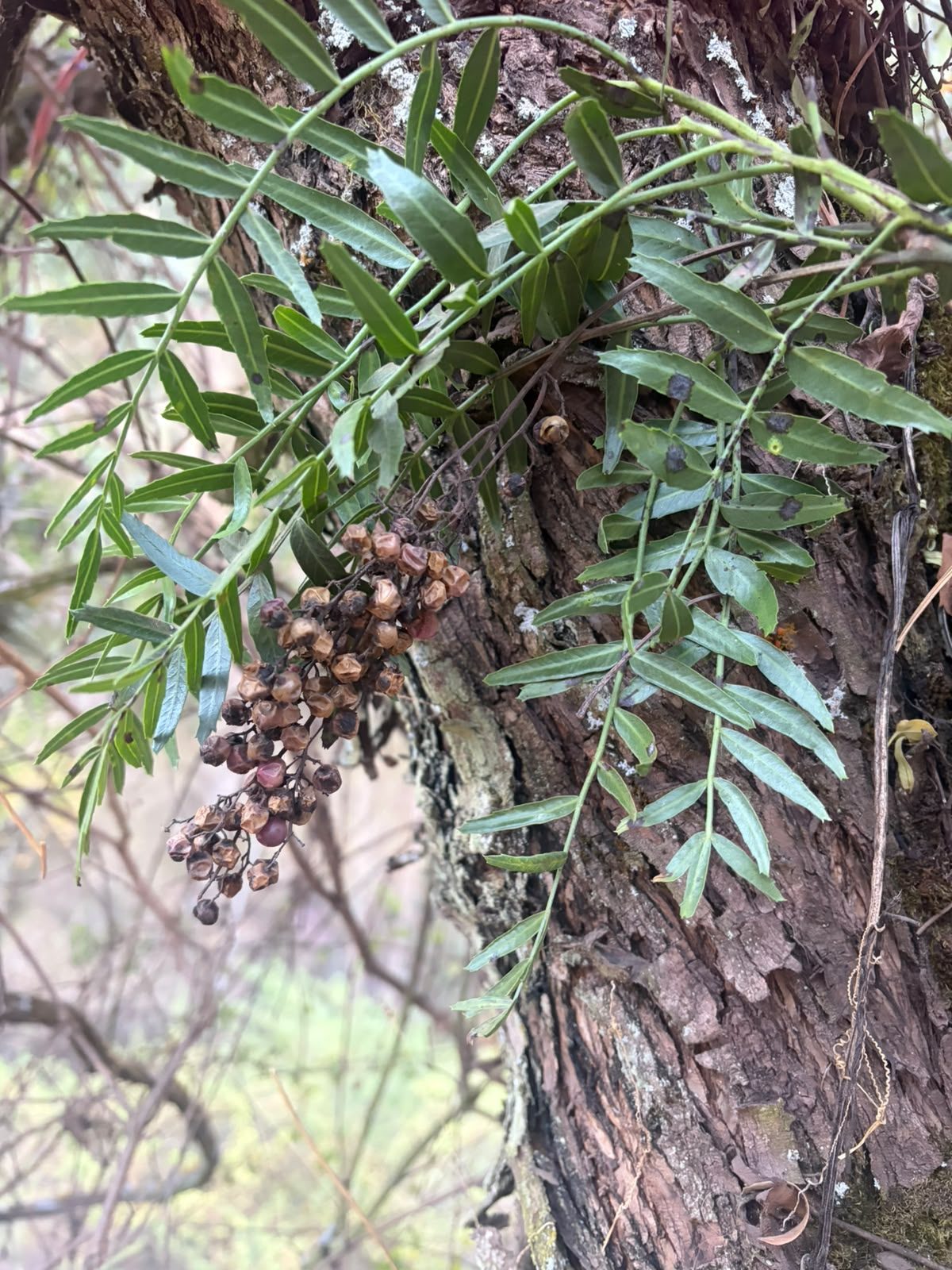
The molle belongs to the family Anacardiaceae, the same family of resinous plants known for their oils, resins, aromatic compounds, and fruits of human interest. In Schinus molle, almost the entire plant communicates presence: the leaves release a scent when rubbed, the bark may exude resinous substances, the fruits are aromatic, and the seeds have been known as “pink peppercorns” or “Peruvian pepper.”
But reducing the molle to a spice would impoverish its history.
In the Andes, the molle has been linked to fermented beverages, medicinal practices, ritual uses, living fences, shade, firewood, timber, bird feeding, and cultural landscapes. One of the most important studies on its archaeological use was carried out by Donna Goldstein and collaborators, who analyzed the production of molle chicha at the archaeological site of Cerro Baúl, in Moquegua. The discovery of large quantities of Schinus molle seeds made it possible to interpret that this plant was used to produce a fermented beverage in Middle Horizon contexts, showing its importance in pre-Hispanic Andean social life.
Molle chicha is not a minor detail. Fermented beverages have been central to ceremonies, reciprocity, festivals, communal labor, and social organization in the Andes. The fact that the molle forms part of this tradition means that its importance goes beyond ecology: it participates in the political, ritual, and food history of Andean societies.
In another recent study on the Cordillera Negra, the molle appears associated with the religious tradition of the Cross of Ampushino, showing how the local population relates the tree to sacred powers, community memory, and environmental transformations. This confirms something that field science and ethnobotany repeat again and again: in the Andes, plants are not only organisms; they are part of living cultural systems.
THE FORM OF THE MOLLE: A BIOLOGY OF APPEARANCE
Mario Percy Núñez Vargas mentions the need to look at the molle through an idea close to the concept of Gestalt—that is, the complete biological form, the total appearance of an organism in relation to its environment. This is important because the molle cannot be understood only by measuring leaves, fruits, or flowers. It is understood by observing its entire presence in the landscape.
The molle has a recognizable architecture. Its crown is often broad, pendulous, light, and mobile. Its compound leaves give the tree a fine texture. Its fruits appear in clusters that may attract birds and draw human attention because of their color. In old trees, the trunk may develop twisted forms, scars, cavities, and signs of old pruning.
In ecological terms, this form matters. A molle tree is not just biomass: it is shade, perch, refuge, microclimate, and food. In dry or semidry valleys, where vegetation can be seasonal and shade scarce, an adult molle can modify local soil conditions, attract insects, provide rest for birds, and function as a point of connectivity within an agricultural or peri-urban landscape.
A centennial molle tree is a living ecological infrastructure.
THE MOLLE AS A REFUGE FOR BIRDS
At Pachacútec Bosque Andino, where ecological restoration is understood through the relationship between plants, hummingbirds, and high-Andean birds, the molle has a special place. Although more attention is often given to nectar-producing flowers for hummingbirds, structural trees such as Schinus molle perform essential complementary functions.
The molle provides perches for birds, shade, refuge, and fruits that can be used by different species. In Percy Núñez’s notes, its relationship with parrots and parakeets is mentioned, especially birds such as conures and species close to the psittacid group, which consume seeds or fruits in different Andean landscapes. This observation is consistent with general ecological logic: many Andean trees with small fruits function as food resources for opportunistic, granivorous, or frugivorous birds.
In Cusco, birds do not need only flowers. They need trees. They need branches where they can perch, structures where they can hide, spaces where they can sing, bark where they can search for insects, and vegetated routes connecting habitat patches. For this reason, serious ecological restoration cannot depend only on ornamental plants or fast-flowering species. It must incorporate structural species capable of creating long-term habitat.
THE MOLLE FULFILLS THAT FUNCTION.
In a restored landscape, it can act as a nodal tree: a point of shade and life around which birds, insects, seeds, people, and memory are organized.
LONGEVITY AND CENTENNIAL TREES
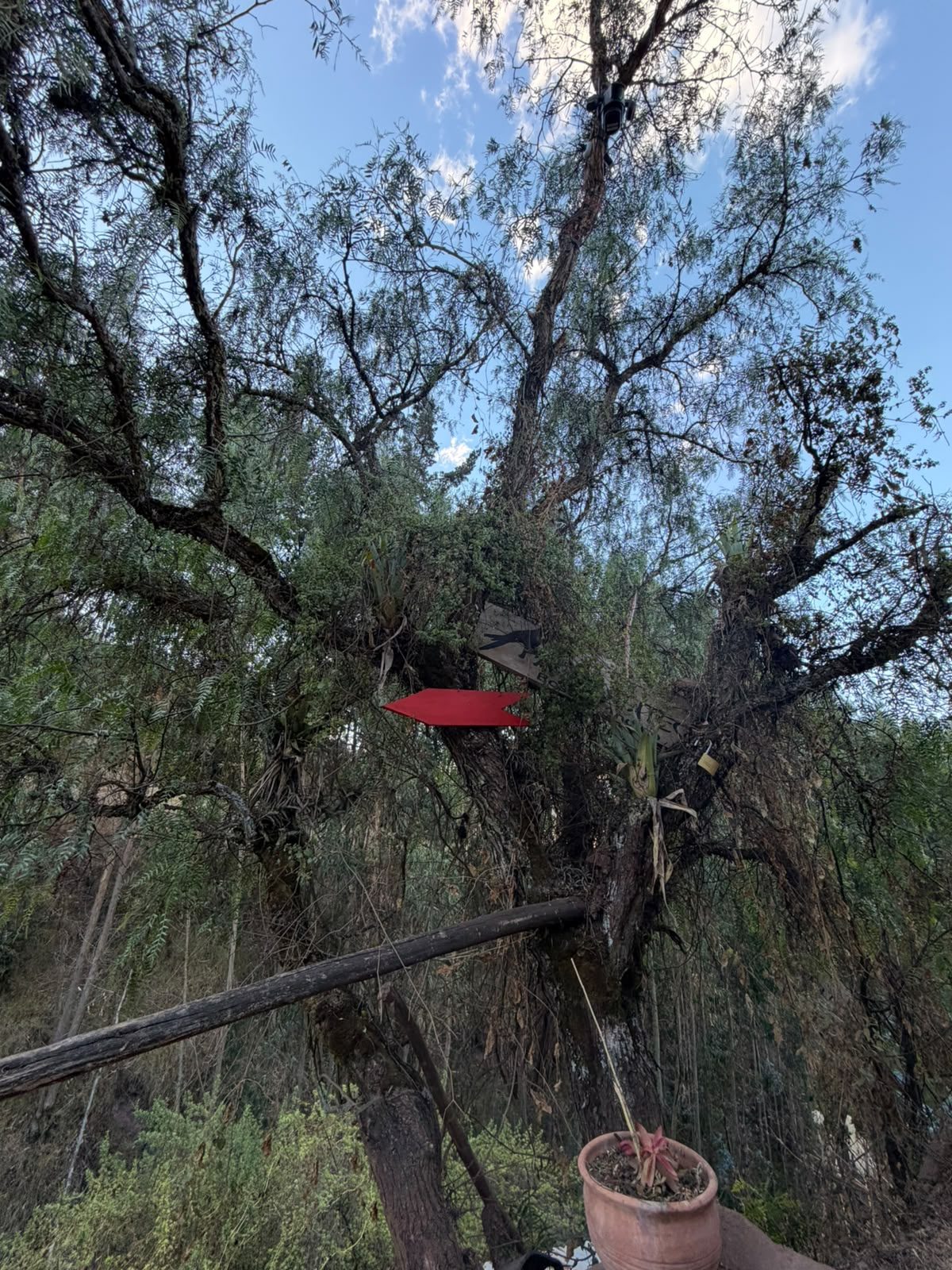
The Andean valleys still preserve old molle individuals. Some reach remarkable dimensions and show signs of having lived through several human generations. Percy Núñez mentions examples of enormous trees in Cusco and Argentina as symbols of longevity and resilience.
From a scientific point of view, speaking of exact age requires dendrochronological studies or appropriate dating methods. An age should not be stated without measurement. However, it is valid to maintain that large and ancient molle trees represent biological and cultural heritage. Even when we do not know whether a tree is 100, 200, or more years old, its ecological value is evident.
Old trees provide functions that young trees cannot immediately replace: cavities, thick branches, greater shade production, microhabitats, accumulation of organic matter, and a landscape presence that organizes life around them. Cutting down an old molle tree is not simply removing one plant individual. It means eliminating decades or centuries of accumulated ecological relationships.
For this reason, in Andean forest restoration and conservation projects, old molle trees should be inventoried, protected, and used as seed trees, cultural references, and points for environmental education.
THE MOLLE AS A LIVING FENCE AND RESTORER
One of the most important uses of the molle in Andean landscapes is as a living fence. Unlike a dead wall, a living fence divides spaces while also producing habitat. It can protect crops, reduce wind, provide shade, support birds, and connect vegetation patches.
This function is especially important in rural and peri-urban areas of Cusco, where ecological restoration cannot always be carried out across large continuous areas. Often, landscape recovery depends on small corridors: roadsides, irrigation channels, fences, boundaries, ravines, and pollinator gardens. In these spaces, species such as the molle can be strategic.
The molle tolerates difficult conditions, adapts to poor soils, can grow on slopes, and has recognized cultural value. In addition, its crown offers a bird-friendly structure. These characteristics make it a useful species for ecological restoration projects, provided it is used with local criteria, avoiding poorly planned plantations and prioritizing native species diversity.
A restored Andean forest should not become a monoculture of molle. But a landscape without molle also loses part of its identity.
MEDICINAL, CHEMICAL, AND BIOLOGICAL USES
Modern scientific literature has studied the chemical compounds and biological properties of Schinus molle. Various reviews report the presence of essential oils, monoterpenes, flavonoids, tannins, triterpenes, saponins, sterols, and other bioactive compounds. These compounds are related to traditional uses as antimicrobial, anti-inflammatory, wound-healing, repellent, or medicinal agents, although their application must always be handled with rigor, caution, and scientific validation.
Recent pharmacological studies have even explored possible antidiabetic and antioxidant properties of Schinus molle extracts, although these fields still require more robust clinical research before traditional knowledge can be converted into formal medical recommendations.
There is also research on the toxicity and insecticidal use of molle extracts. In Peru, some studies have evaluated their effect on organisms used as biological control agents, showing that any use as a natural insecticide must be carefully analyzed to avoid unintended impacts on beneficial insects.
This is important for conservation: the fact that a plant is “natural” does not automatically mean it is harmless. The molle has powerful chemistry. That potency explains part of its medicinal and cultural value, but it also demands responsibility.
MOLLE, ANDEAN IDENTITY, AND PACHACÚTEC BOSQUE ANDINO
At Pachacútec Bosque Andino, restoration is based on a central idea: plants are the matrix of the ecosystem. Without plants there are no birds, without birds there is no functional forest, and without forest there is no water or future.
From that perspective, the molle can become an interpretive species of enormous value. It can be used to talk about botany, culture, birds, restoration, traditional uses, chicha, living fences, longevity, heritage trees, and threats.
A child can learn that its fruits feed birds. A student can research its propagation. A volunteer can plant it along a trail edge. A tourist can understand that the tree that seemed common is actually a deep part of Andean history.
That is the strength of the molle: it connects the everyday with the extraordinary.
Threats: Ignorance, Poor Pruning, and the Loss of Old Trees
Percy Núñez warns about a frequent problem: ignorance in tree management, especially poor pruning, excessive cutting, and open wounds that weaken adult individuals. In many cities and communities, trees are cut without technical criteria. Large branches are removed, open wounds are left, the crown becomes unbalanced, or the tree’s capacity to recover is drastically reduced.
In long-lived species such as the molle, these poor practices can be devastating.
An old tree should not be treated like a post. It requires evaluation, technical pruning, respect for its architecture, and understanding of its ecological value. Urban and rural conservation of the molle should include training in basic arboriculture, living-fence management, propagation by seeds, and possibly trials with cuttings or grafting when appropriate.
The problem is not only cutting trees. It is not understanding them.
A RESEARCH AGENDA FOR THE MOLLE IN CUSCO
If the molle were to be studied scientifically in the Andean valleys of Cusco, several urgent lines of research would be needed:
- Inventory of Schinus species in Cusco, validating the presence of Schinus areira, S. microphyllus, S. molle, S. pearcei, and S. terebinthifolius with herbarium material.
- Mapping of centennial trees, recording large individuals, health status, diameter, height, location, and cultural value.
- Relationship with birds, documenting which species consume fruits, use branches as perches, or nest in molle trees.
- Propagation and restoration, evaluating germination, cuttings, establishment in the field, drought tolerance, and use in living fences.
- Local ethnobotany, recovering knowledge about chicha, medicinal uses, resin, shade, wood, songs, stories, and communal practices.
- Urban and rural management, developing protocols for pruning, protection of old trees, and use of molle in green infrastructure.
- Environmental education, incorporating the molle into interpretive panels, school routes, and birdwatching programs.
Conclusion: The Tree That Teaches Us to See the Valley
The molle is not simply a tree of the Andean landscape. It is a vegetal biography of the Andes.
In its fruits lies the memory of ancient beverages. In its leaves, the chemistry of traditional medicine. In its shade, the rest of people and birds. In its branches, the possibility of songs dedicated to parrots and parakeets. In its roots, the defense of the soil. In its old trunks, the evidence of a longevity that surpasses human life.
For Cusco, conserving the molle means conserving part of its ecological identity. For Pachacútec Bosque Andino, it means strengthening the plant matrix that allows the return of birds, pollinators, and wildlife. For Peru, it means recognizing that common trees can hold extraordinary stories.
Perhaps the true greatness of the molle lies in this: it was always there, close to us, waiting for us to learn how to see it.
And when we finally look at it with the eyes of a biologist, a farmer, a child, a birdwatcher, and a restorer, we understand that it was not a common tree.
It was one of the guardians of the valley.
SCHINUS MOLLE: THE ANDEAN TREE THAT PERFUMES THE MEMORY OF THE VALLEY
THE MOLLE TREE AS A BRIDGE BETWEEN BIRDS, CULTURE, AND ECOLOGICAL RESTORATION
In the Andes, some trees do not merely grow: they accompany. The molle tree is one of them. Its presence along roads, farms, ravines, and villages of Cusco shows that it is not a species isolated from the human world, but a tree that has lived alongside communities for centuries.
For biology, Schinus molle represents a key species of the inter-Andean valleys. For Andean culture, it represents shade, medicine, food, memory, and protection. For birds, it represents refuge, perch, and food. And for ecological restoration, it represents an opportunity to rebuild degraded landscapes with Andean identity.
In restored ecosystems, the molle can play a fundamental role. Its branches offer resting places for birds such as parrots, doves, siskins, Andean sparrows, and other species that move between trees and shrublands. Its fruits may be consumed by birds, helping to maintain important ecological interactions. Its crown provides shade, reduces soil temperature, and improves conditions for other plants to grow around it.
In the context of Pachacútec Andean Forest, the molle should not be seen as just another tree. It should be understood as part of the ecological matrix that sustains life. In a forest under restoration, every structural tree helps create refuge, connectivity, and stability. While flowers feed hummingbirds, trees such as the molle provide architecture for the ecosystem.
The molle also teaches an important lesson: not every restoration effort should focus only on rare or striking species. Sometimes, the trees best known by local people are the ones that can best connect conservation and culture. A child recognizes a molle tree. A grandfather remembers its uses. A farmer knows its shade. A biologist observes its ecological relationships. A tourist discovers its importance when seeing it within the forest.
For this reason, conserving the molle also means conserving a shared memory.
However, this species faces threats. Many trees are cut for firewood, pruned without technical knowledge, or removed to open space for urban or agricultural expansion. Poorly made wounds on trunks and branches can weaken old trees, allowing fungi, pests, and decay to enter. The lack of knowledge about arboriculture causes damage that could be avoided through training.
In the Andean valleys of Cusco, centennial molle trees should be protected as heritage trees. Not only because of their age, but because of the ecological functions they fulfill. An old molle tree can host birds, insects, lichens, fungi, seeds, and cultural memories. Cutting it down means losing much more than wood.
From a scientific perspective, Cusco needs to inventory its Schinus species. The presence of species such as Schinus areira, Schinus microphyllus, Schinus molle, Schinus pearcei, and Schinus terebinthifolius should be reviewed with herbaria, specialists, and botanical records. Only in this way will it be possible to know precisely the true diversity of the genus in the region and its value for restoration.
Its relationship with birds also needs to be studied more thoroughly. Which species consume its fruits? Which birds use its branches as perches? Which insects live associated with its foliage? What role does it play in living fences and biological corridors? These questions can become lines of research for students, universities, and bird observatories.
The molle also has value for nature tourism. Along an interpretive route, it can explain the relationship between botany, culture, and birds. It can be included in educational panels, school walks, restoration workshops, and birdwatching programs. It is not necessary to travel far to find a profound story: sometimes it is in the tree growing at the edge of the road.
At Pachacútec Andean Forest, the message is clear: first the plants are restored, then life returns. The molle can be one of those master plants. It does not replace nectar-producing flowers or other native trees, but it complements the structure of the forest. It helps sustain the landscape, protect the soil, and create conditions for birds and pollinators to find a place to live.
Ecological restoration is not simply planting for the sake of planting. It is choosing species with meaning. It is understanding which tree provides shade, which offers nectar, which supports birds, which protects soils, and which preserves cultural memory. In that map of functions, the molle occupies a special place.
For this reason, when we speak of Schinus molle, we are not speaking only of a plant from the family Anacardiaceae. We are speaking of a tree that unites science, culture, biodiversity, and the future.
In the Andes of Cusco, the molle still stands as a silent guardian. It has seen generations, roads, communities, and changes in the landscape pass by. It has resisted droughts, pruning, cutting, and abandonment. And yet, when the season arrives, it produces fruits again, gives shade again, and receives birds again.
Perhaps that is its greatest lesson.
Conservation does not always begin with unknown species or distant landscapes. Sometimes it begins by looking with respect at the tree that has always been close to us.
The molle, that old Andean tree, reminds us that forests are restored not only with science, but also with memory.
Lorem fistrum por la gloria de mi madre esse jarl aliqua llevame al sircoo. De la pradera ullamco qué dise usteer está la cosa muy malar.